A special document of a 9-day Thai cave rescue mission in 2018
In the early nineties, Dr. Jacobo Grinberg’s career was blooming and he gained lots of international credit as a researcher in the fields of telepathy and neurophysiology at the Universidad Nacional Autonoma de Mexico. When Dr. Grinberg mysteriously disappears in 1994, the police find no trace of him. The only thing that is clear, is that all his research material, including his computers, disappeared along with him.
Most of us think of death as something clear-cut, and that medical science has it neatly figured out. This feature documentary explodes such assumptions through its exploration of a phenomenon that blurs life and death to an unprecedented degree. In what Tibetan Buddhists call tukdam, advanced meditators die in a consciously controlled manner. Though dead according to our biomedical standards, they often stay sitting upright in meditation; remarkably, their bodies remain fresh and lifelike, without signs of decay for days, sometimes weeks after clinical death. Following ground-breaking scientific research into tukdam and taking us into intimate death stories of Tibetan meditators, the film juxtaposes scientific and Tibetan perspectives as it tries to unravel the mystery of tukdam.
Barabar : Le Site archéologique du futur
"The Last Dragon" is a nature mockumentary about a British scientific team that attempts to understand the unique incredible beasts that have fascinated people for ages. CGI is used to create the dragons.
Aspiring influencer Gabby Petito sets out on a cross-country road trip with her fiancé, but she soon disappears, and the ensuing mystery goes viral. New footage of the couple sheds light on their struggles that led to the nightmarish outcome.
Explorer Bruce Parry visits nomadic tribes in Borneo and the Amazon in hope to better understand humanity's changing relationship with the world around us.
It has been almost thirty years since Filippo Dobrilla started to sculpt a giant male nude inside a cave 650 metres deep in the Apuan Alps. This almost inaccessible place has jealously protected his secret: his youthful passion for a fellow climber, a passion Filippo was only able to indulge in here in the intimacy of this cave. Even after it was over and ever since then, Filippo has been returning regularly to the cave to work on the most important sculpture of his life, a masterpiece no one will see.
Documentary following the 1955–1956 Norwegian Archaeological Expedition's investigations of Polynesian history and culture at Easter Island.
Over 35 meters below sea in France’s Calanque National Park hides the entry to one of cave art’s greatest masterpieces: the Cosquer Cave. Only accessible underwater, this incredible cave adorned with paintings more than 27 000 years old is little known, yet threatened by rising sea levels. In order for its preservation and to make it accessible to the largest number of people, the Southern Region (Provence-Alps-Cote d’Azur) is creating a full-sized replica of this hidden gem and its incredible paintings.
In 1996, Rémy Schejbal, a seasoned spelunker, assembled a small team and headed to Malaysia. His goal: to photograph the largest cave in the world for the first time.
Discovered in 1990 in the Aveyron Gorges, near the village of Bruniquel, Bruno Kowalczewski discovers a cave which shows evidence of being inhabited by Neanderthals as far back as 47,000 years ago, with stalagmites arranged in circles. What significance do these limestone rings have? From when exactly do they date? For fear of damaging the remains, the excavations were stopped in the late 1990s, leaving these questions unanswered. Beginning in 2014, a new team relaunches research into the cave. Using the current uranium-thorium method, calcite samples are dated to 176,500 years ago, revealing the construction as one of the oldest ever discovered underground. This stone circle is surprisingly complex. How was it built and what was it used for? This is a story of a discovery that brings new elements to the capabilities of the Neanderthals.
A two and half month journey from Buenos Aires (Argentina) to Medellin (Colombia), through some of the most amazing places in South America, immersed in the Backpacker's culture.
It is thanks to this film that the Marquis gained notoriety with a wider audience. The film is the result of film footage shot between May 1926 and June 1930 in several South American countries. Departing from Guayaquil, he first went to the Galapagos Islands in the Pacific. Upon returning to the capital of Ecuador, chance brought him to the Ocaina Indians, the Boro, the Napo, the Jivaro and the Piro. He explored the Incan mines of Machu Picchu, discovered only a few years prior, and ended his journey on the famed Guano islands. The musical score, inspired by traditional Indian music, was created by Maurice Jaubert.
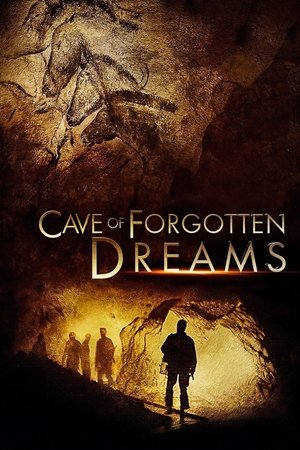
Werner Herzog gains exclusive access to film inside the Chauvet caves of Southern France, capturing the oldest known pictorial creations of humankind in their astonishing natural setting.
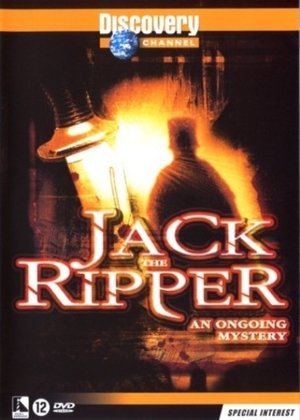
A new look into the mysterious serial killer: Jack the Ripper.
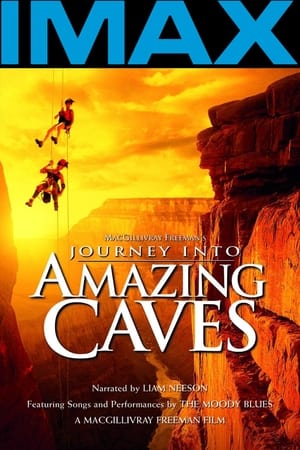
Journey into Amazing Caves is an extraordinary IMAX adventure into the depths of the earth to uncover the secrets to life underground.
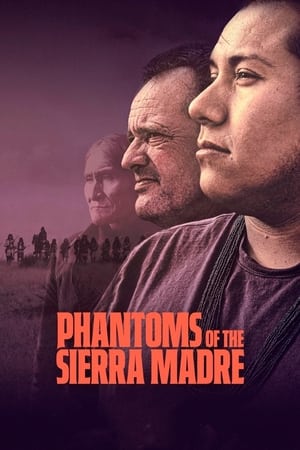
A Danish writer travels to Mexico with the purpose of locating a mysterious Apache tribe that fervently seeks to remain in obscurity.
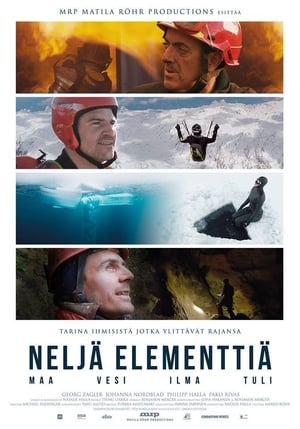
A journey into four classical elements through the four main characters of the film. The main characters in the movie represent each of their own elements.
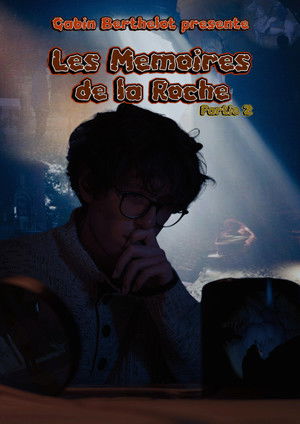
Les Mémoires de la Roche | Partie 2 - Court-Métrage Documentaire