An apocalyptic sound of roaring machines incessantly intrudes into the habitats of man and nature. Barren landscapes and deserted villages linger in hypnotic restlessness. A self-destructive system meets resistance.
In September 1954, David Attenborough, cameraman Charles Lagus, Jack Lester and Alf Woods, both from the Zoological Society of London, set out for Sierra Leone. They spent three months intently surveying the landscapes of Sierra Leone in search of nature’s rarest animals. Although predominantly searching for Picathartes gymnocephalus (the White-necked Rockfowl) they hoped to take back to London a representative collection of the whole of animal life in this part of Africa.
Trees talk, know family ties and care for their young? Is this too fantastic to be true? German forester Peter Wohlleben and scientist Suzanne Simard have been observing and investigating the communication between trees over decades. And their findings are most astounding.
Examines the subject of homosexuality in animals. Scott Capurro visited various collections of captive animals to observe animals which had been reported to exhibit homosexual behaviour, and interviewed the staff about this. The show also included an interview with anti-gay rights campaigner and politician, Janet Young, where Capurro showed Young a video of a variety of male-male intercourse and female-female mating attempts in various animal species, and then asked her to comment on whether this influenced her views about its "unnaturalness"
In the company of zoologist Patrick Aryee, a discovery of the 37 species of felines that inhabit the planet, some little known, others threatened.
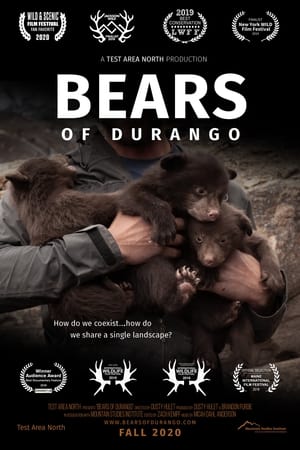
From polar bears in the arctic tundra to black bears in the Northern Rockies, you'll see some of the most spectacular footage ever shot of these enterprising omnivores. Catch salmon with a group of hungry grizzlies on the McNeil River in Alaska. Crawl inside a den with a mother black bear and her cubs. Learn about the challenges facing each of these species as their habitat diminishes.
Every year, thousands of Antarctica's emperor penguins make an astonishing journey to breed their young. They walk, marching day and night in single file 70 miles into the darkest, driest and coldest continent on Earth. This amazing, true-life tale is touched with humour and alive with thrills. Breathtaking photography captures the transcendent beauty and staggering drama of devoted parent penguins who, in the fierce polar winter, take turns guarding their egg and trekking to the ocean in search of food. Predators hunt them, storms lash them. But the safety of their adorable chicks makes it all worthwhile. So follow the leader... to adventure!!
A compilation episode of the wildlife documentary series presented by David Attenborough, uncovering the secrets of animals across the globe.
For more than 20 years, Maurice & Katia Krafft have traveled the world. From Iceland to Hawaii, from Africa to Indonesia, they are usually the first to reach the scene of an eruption. Join them as they risk their lives to document the birth of a volcano.
An epic story of adventure, starring some of the most magnificent and courageous creatures alive, awaits you in EARTH. Disneynature brings you a remarkable story of three animal families on a journey across our planet – polar bears, elephants and humpback whales.
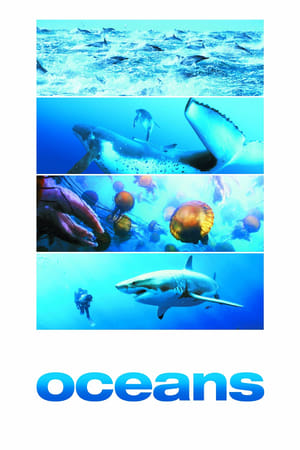
Deep Blue is a major documentary feature film shot by the BBC Natural History Unit. An epic cinematic rollercoaster ride for all ages, Deep Blue uses amazing footage to tell us the story of our oceans and the life they support.
Bas Jan Ader hangs from the branch of a tall tree, until he loses his grip and falls into a river below.
Val Plumwood, environmental philosopher returns to Kakadu, where she was the victim of a crocodile attack. Against the backdrop of the steamy, intensely beautiful Kakadu National Park, she shares her thoughts on wilderness and wildlife.
Although first glance reveals little more than stones and sand, the desert is alive. Witness moving rocks, spitting mud pots, gorgeous flowers and the never-ending battle for survival between desert creatures of every shape, size and description.
Takes us to locations all around the US and shows us the heavy toll that modern technology is having on humans and the earth. The visual tone poem contains neither dialogue nor a vocalized narration: its tone is set by the juxtaposition of images and the exceptional music by Philip Glass.
A documentary of insect life in meadows and ponds, using incredible close-ups, slow motion, and time-lapse photography. It includes bees collecting nectar, ladybugs eating mites, snails mating, spiders wrapping their catch, a scarab beetle relentlessly pushing its ball of dung uphill, endless lines of caterpillars, an underwater spider creating an air bubble to live in, and a mosquito hatching.
In a time of hardship, Hobart resident Peter Walsh turns to the secretive platypus for solace, only to discover it is the platypus that need his help to survive in a habitat under threat.
Travel to the ice mountains of Chile to discover the secrets of the puma (aka panther, mountain lion and cougar) the area's largest predator. Discover how this elusive cat survives and follow the dramatic fate of a puma and her cubs.
Documentary following a community of herders in the Scottish Highlands preparing young reindeer for their first Christmas, including an orphaned reindeer calf who battles against the odds
After many years of careful conservation, Banff and Jasper National Parks have become vast zoological gardens. Deer, moose, bear, big-horn sheep, birds and small animals that live above the treeline are natural subjects for the close-up camera, with a backdrop of snowy peaks.