Joe Joyce faces Zhilei Zhang in a rematch as he bids to get back on track for a world heavyweight championship fight.
Floyd Mayweather is the man with the perfect boxing record. His career has spanned more than two decades. His nickname is Floyd 'Money' Mayweather for a reason. His bouts make millions upon millions of dollars in PPV revenue. From a simple start in life in Grand Rapids, Michigan, to headlining two of the biggest PPV events of all time. Floyd has proven time and time again that he is money. Whether it's taking on one of the best boxers in the world, Manny Pacquiao or fighting the king of the Octagon, Conor McGregor, Floyd 'Money' Mayweather puts on a show no matter the opponent.
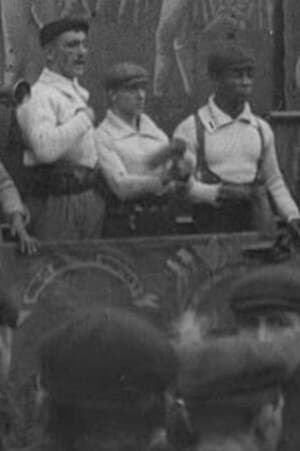
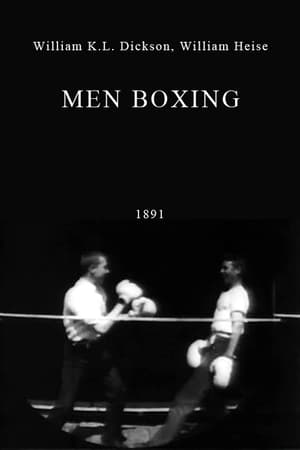
Experimental film fragment made with the Edison-Dickson-Heise experimental horizontal-feed kinetograph camera and viewer, using 3/4-inch wide film.
The story of Jack Johnson, the first African American Heavyweight boxing champion.
Traditional games, dancing and music among the people of Sikkim - in vivid colour.
El Pantera is a documentary film that chronicles the rise of Mexican UFC star Yair Rodriguez as he strives to become the first ever Mexican born UFC champion.
Co-directed by Gentry Kirby and Erin Leyden, “Tommy” examines Morrison’s remarkable rise to the spotlight, followed by a stunning, confounding, and ultimately tragic fall. He was one of the best heavyweights of his time; a handsome, charming, yet unsettled young star. Born into a troubled family in America’s heartland, Morrison’s initial emergence as a fighter was bolstered by a starring role in “Rocky V.” A few years later he beat George Foreman for the WBO heavyweight title, and seemed primed for more stardom, even in the face of blown opportunities and upset losses. But everything changed in early 1996 when he tested positive for HIV, abruptly forcing him into retirement at age 27. From there, Morrison’s life spiraled further and further downward, plagued by drug problems, jail time, and an eventual denial that he had the virus at all.
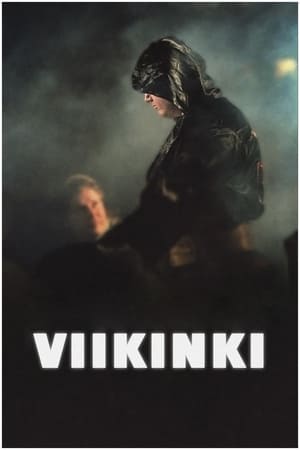
Documentary film about Tony Halme, masculinity and populism. The film follows how Tony Halme created a mythical, highly masculine freestyle wrestling character, The Viking, who gained fame both in the ring and in the public eye and eventually became captivated by it. With his brash speeches, Halme fired the starting shot for the rise of the Finns Party. The voice of a forgotten section of the population, a protest against the ruling elite, were the building blocks of Halme's popularity. Halme's great popularity has served as a good example of a populist figure, admired within the deep ranks of the nation, who comes from outside the political elite and changes the direction of politics. Also, despite - or perhaps because of - his openly racist statements, he was part of changing the political climate in Finland to a more acrimonious one.
Chris Eubank Jr and his father, the legendary Chris Eubank Sr, reunite after years apart to confront their fractured past. With unprecedented behind-the-scenes access, this powerful film explores legacy, grief and the emotional cost of life in the ring.
Twelve top glamour models spent time in Tenerife learning to box in a grueling 'Boxing Boot Camp'. The result of weeks of blood, sweat and a lot of tears was six bouts of boxing as the girls went head-to-head in front of a packed London crowd.
On the evening of Sept. 7, 1996, Mike Tyson, the WBC heavyweight champion, attempted to take Bruce Seldon’s WBA title at the MGM Grand in Las Vegas. At this point in his career, Tyson’s fights had become somewhat of a cultural phenomenon, where the ever present hype of the professional boxing scene would come face to face with the worlds of big business, Hollywood, and hip hop. Sitting ringside was controversial rapper Tupac Shakur. Shakur and Tyson were friends, a feeling of kinship linked them as each rose to stardom from poverty only to be thrown in prison. Following Tyson’s victory, Shakur and “Iron Mike” were to celebrate at an after party, but the rap star never arrived. Shakur was brutally gunned down later that night, and the scene in Las Vegas quickly turned from would-be celebratory revelry to ill fated and inopportune tragedy.
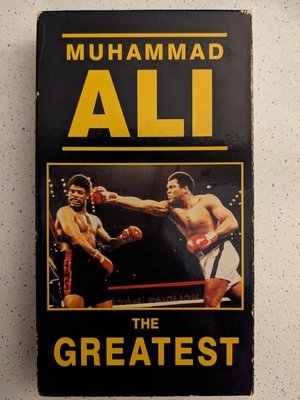
In October of 1980 Muhammad Ali was preparing to fight for an unprecedented fourth heavyweight title against his friend and former sparring partner Larry Holmes. To say that the great Ali was in the twilight of his career would be generous; most of his admiring fans, friends and fight scribes considered his bravado delusional. What was left for him to prove? In the weeks of training before the fight, documentarians Albert and David Maysles took an intimate look at Ali trying to convince the world and perhaps himself, that he was still “The Greatest.” At the same time, they documented the mild-mannered and undervalued champion Holmes as he confidently prepared to put an end to the career of a man for whom he had an abiding and deep affection
The story of boxer Sean Mannion, born in the 1950s in Ros Muc in county Galway, Ireland, his boxing career, his emigration to America and the effect it had on him, his brush with organized crime in Boston.
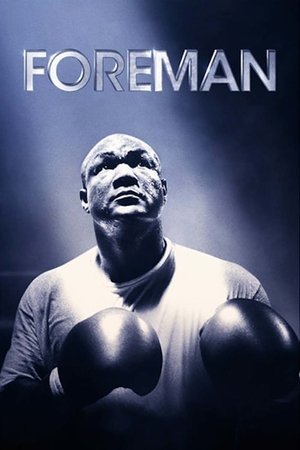
Cast as America’s Villain in the famed Rumble in the Jungle against Muhammad Ali, George Foreman lost one of the greatest fights in sports history. Immediately after the defeat, "Big George" fell into a spiral that made him abandon boxing and spend 10 years becoming an ordained minister following a near death experience. 20 years later on and into his 40’s, Foreman began an improbable climb back to the summit of world boxing becoming the heroic figure he’d always been destined to be, and writing one of the greatest underdog stories ever told.
Could this be 'Fight of The Year'? The reputation of Amir Khan was enhanced in a brutal battle for supremacy in a thrilling, successful third defence of his World Boxing Association light-welterweight belt against knockout specialist Marcos Maidana. The plan was to hit and run. Yet not only did Khan stand and trade with Maidana in a ferocious fight, he survived a brutal onslaught and a near-knockout in the 10th round to dispel the myth that he is “chinny” at the Mandalay Bay Events Center. Khan's vulnerability, yet desire to fight, make him compelling viewing.
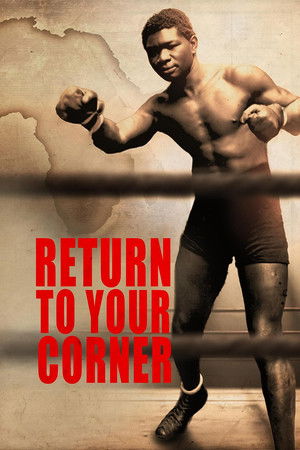
This is the story of Africa's first Boxing World Champion, Battling Siki. Who was this boxer born in Senegal, decorated for Bravery in World War I? Why do so few know that he fought and won the World Light Heavyweight Title aged 25, only to lose it controversially six months later? And why was his life cut short on a New York Street aged 28?
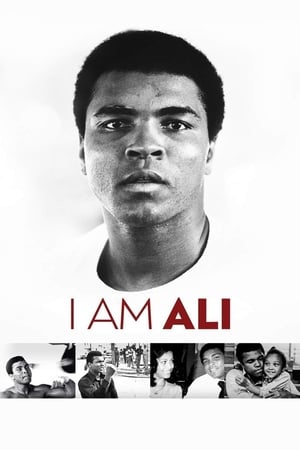
The study of crazy brilliance and flamboyant sincerity. a.k.a. Cassius Clay presents a fascinating look at the incredible life and achievements of one of the most courageous, outspoken and charismatic figures of boxing: Muhammad Ali. Born Cassius Clay in 1942, Ali soon rose to become a renowned athlete, an articulate author and a compelling political; leader. Audacious, ambitious and totally fearless, Ali became a symbol of pride, a legend of hope and one of the most extraordinary cultural icons of the 20th century.
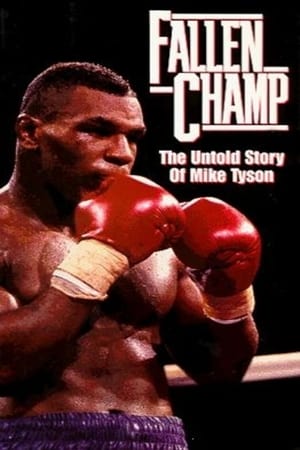
From his humble, troubled beginnings at age 10 in New York, to his discovery by Cus D'Amato, his rise to Champ, his marriage, divorce, rape conviction, prison term and release, Tyson's life is profiled.
Fallen Champ: The Untold Story of Mike Tyson is a 1993 film made by acclaimed American documentary filmmaker Barbara Kopple. Though Tyson was in jail serving a sentence for rape, Kopple used existing interviews with the boxer, as well as her own extensive interviews with those closest to Tyson, to explore the man's history. The film traces Tyson's story from his troubled and tumultuous upbringing, through his rapid ascendancy in the ranks of the boxing world and his subsequent struggle with the trappings of fame. Fallen Champ earned Barbara Kopple a Directors Guild of America award as Best Documentary Director of 1993.
A humorous visit to the turbulent world of the controversial Spanish boxer José Manuel Urtain.