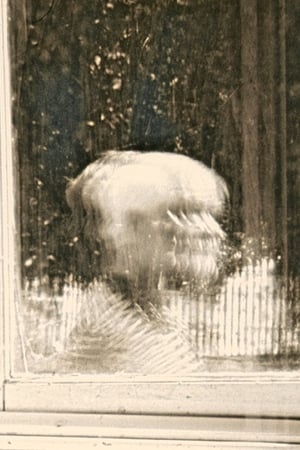
A series of cinematic portraits shot in domestic spaces in a former gold mining town in New Zealand expand into a tapestry of glistening natural light and vaporous movement, created via a painstaking process of in-camera layering effects.
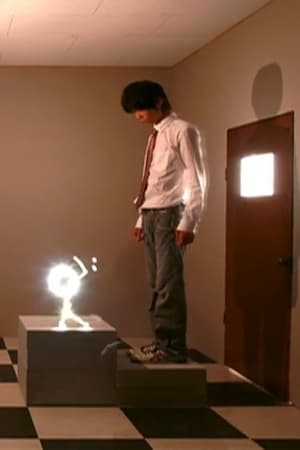
The stair of steps appear checkerboard room. Conflict between a young man tries to fit the situation and the stickman ridicules him.
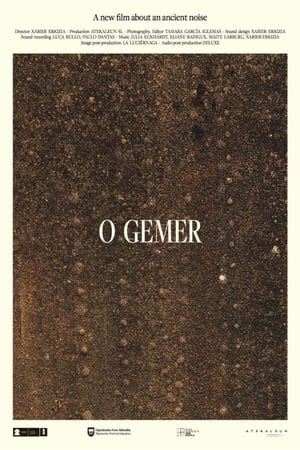
An experimental film on the geographic and historical voyage of the peculiar sound of the so-called 'Basque ox carts'. Said sound, which could be heard until the decade of the 60s in part of the Bay of Biscay, has now practically disappeared from the Iberian peninsula. The film travels from the silence of the sound in our territory today, until its reappearance, following years of research, in the central area of Brazil.
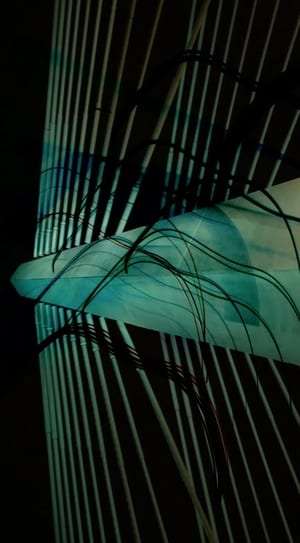
The title of this video, taken from the texts of the architect Kengo Kuma, suggests a way of looking at everything as “interconnected and intertwined” - such as the historical and the present and the tool and the artifact. Images and representations of two structures in the Portland Metropolitan Area that have direct and complicated connections to the Chinookan people who inhabit(ed) the land are woven with audio tapes of one of the last speakers of chinuk wawa, the Chinookan creole. These localities of matter resist their reduction into objects, and call anew for space and time given to wandering as a deliberate act, and the empowerment of shared utility.
The 3rd installment in James A. Burkhalter's QUEER ROOTS trilogy: After years of his mother begging him to do it, James decides to finally review and erase 10 years' worth of phone messages. It tells the story of James' "roaring twenties," constructed solely through the voices of friends, family, and lovers.
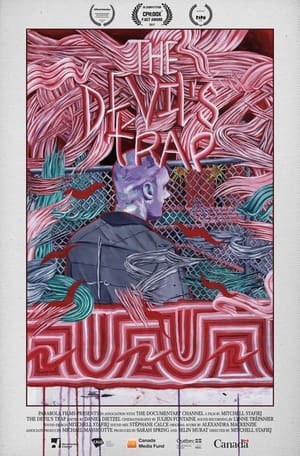
A 25-year-old former cult member seeks out his family in a closed world of neon crosses, deadly alcoholism, and abuse.
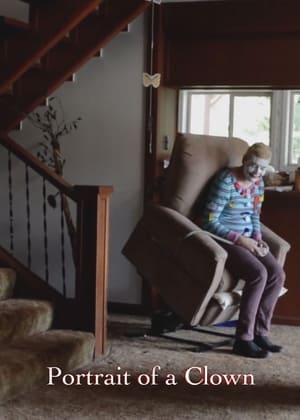
A portrait of the performance artists in colorful clothes and painted faces whom have transitioned from a symbol for joy and laughter, to horror and terror, to melancholy and sadness.
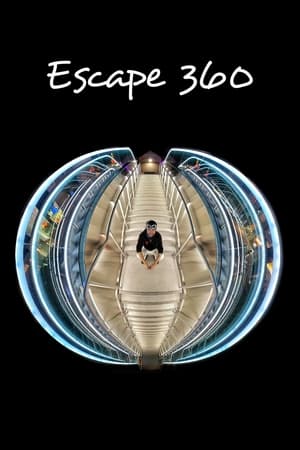
One man, one camera, one goal...to capture the essence of adventure. An experimental, often abstract new type of filmmaking process creating color rich visuals combined with a lush soundtrack that grounds the project. A unique cinematic experience.
An experimental short film, shot during the COVID-19 pandemic, made by one person. Using recorded scenes and archival footage, the short presents an unorthodox narrative to explore the themes of self-identification, identity, gender expression and androgyny.
A short film about ties and gaps between a child and a parent. The author rediscovers letters her dad used to write her from prison. That love seems to be gone now. She decides to write back in hope to find the connection again. She puts in writing what could not be said: blaming him for family´s break-up but also trying to understand.
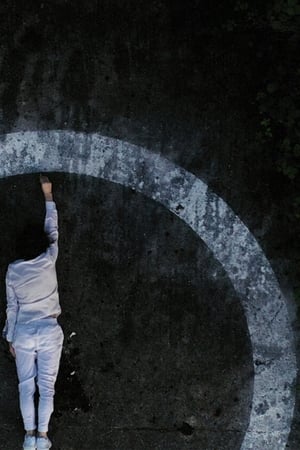
A dancer moving through a city seeking a space in which to exist.
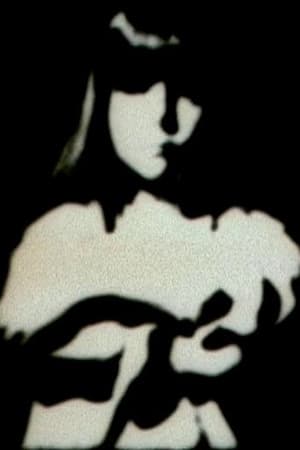
Found memories decayed by the shock patterns of childhood trauma. This films is made mostly with footage found in the bin of an ophanage. The white progressivelly disolve within a darknest more and more dense. Faces progressivelly disolves within one another.
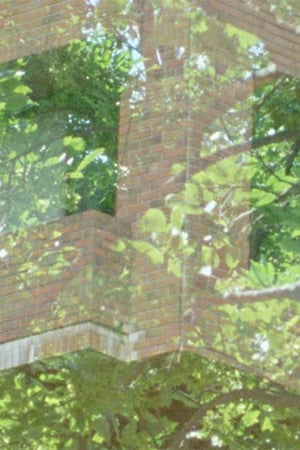
A previously unseen short by the Japanese avant-garde titan, Toshio Matsumoto's 1986 Summer locates faces and bodies within superimpositions, zooms, a lightning-fast montage of brick structures and verdant trees.
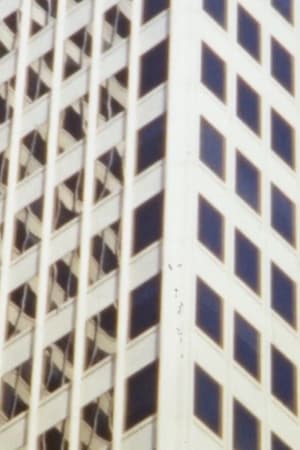
This film is an in-camera portrait of the place Ville Marie Royal Bank Building in Montréal.
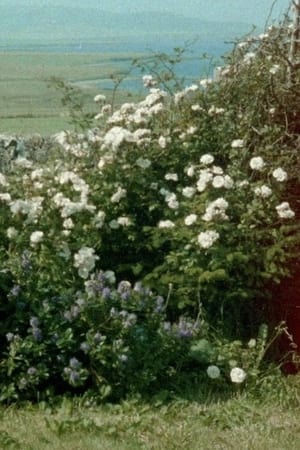
In Aurand’s signature diaristic form, roses in bloom, farm animals, Orkney landscapes, and scenes of the late filmmaker Margaret Tait having tea are rendered through expressive Bolex movements as well as the director’s active camera, and punctuated by abstract swaths of saturated and shifting colors. The film is an homage to Tait, whom Aurand visited in Orkney.
A story about obsession and yearning for the infinite.
With every moment – one more memory. But memory sometimes goes blind and what is left becomes hazy.
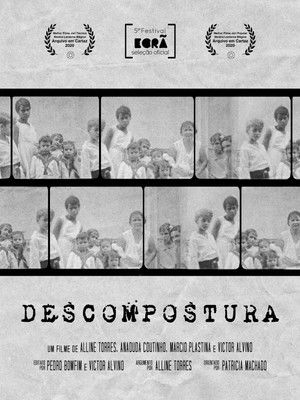
Discomposure is an experimental movie made of moving images of women, while they worked and were filmed under an aesthetic of fracture. Her bodies were positioned by the white middle classes men's eyes as if they were parts that served like props, support, and of spectators of lives which depended on these women. The movie disorganized this visual aesthetic. It did to see that, between who was filming and those entered, marginally, the scene, there was the black female look that stared at the camera, as an affront, so showing affirmation, contestation, and constraint.
#23.2 Book of Mirrors deals with the multiplication of light beams through mirrors and kaleidoscopes.
IFS-Film is a film made on an Atari Mega 2 ST computer using Forth and Assembler computer-animation software.