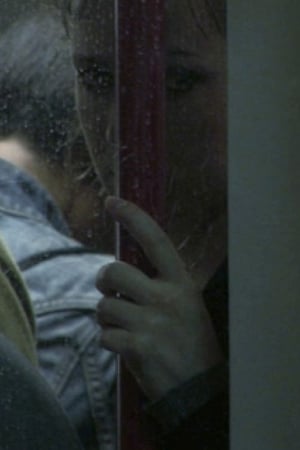
A group of Cuban fishermen work along the Cuba-US marine border area (Santa Cruz del Norte-Florida), and are involved with political issues and ongoing illegal migration. Yet they try to continue their normal fishermen life in their country.
Susana Barriga’s documentary, the illusion, begins with violence. A long shot reveals a man standing on a street corner, his features indiscernible in the night. He moves out of the camera’s line of vision, but the filmmaker, persistent, moves with him as the jostling of the camera marks her steps. As we learn moments later, the man in the distance is Susana’s father – and this is the clearest image of him we will have. Suddenly, an angry British man demands that Susana cease filming. Susana protests in heavily accented English, “He is my father!” Glimpses of a man’s torso are followed by blurred images as the camera spins rapidly over surfaces. The image cuts to black. A new male voice asks in carefully spaced out words if Susana would like him to call the police. When she doesn’t respond immediately, he speaks louder, as though volume would compensate for the language difference. She gives her name; she refuses the offer of an ambulance.
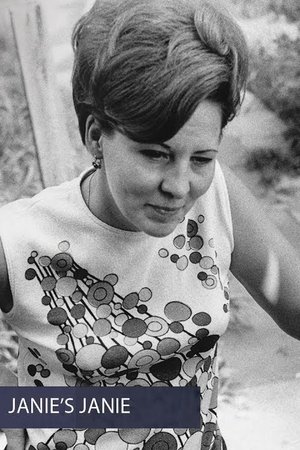
The Newsreel collective’s JANIE’S JANIE breaks with the group’s usual format for a more personal approach, following a woman’s journey to self-determination after years of mental and physical abuse; or, as Janie says, “First I was my father’s Janie, then I was my Charlie’s Janie, now I’m Janie’s Janie."
The professional life of Roxanne Lowit, one of the greatest fashion photographers and a pioneer of backstage photography, covering her career from 1977 and the Studio 54 until now.
A compilation of found footage from musicals, home movies, animated shorts, educational films, commercials, and propaganda set against pop music from the Third Reich, Hitler's Hitparade presents audiences with an unprecedented experiential collage of Nazi Germany.
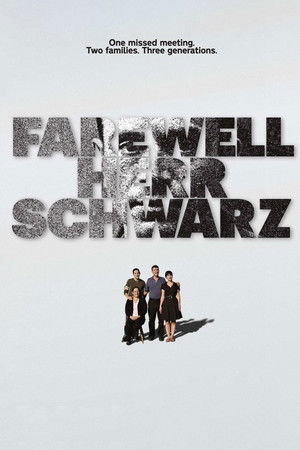
A documentary about the outcome of a decision made by a brother and sister in 1945. One missed meeting, two families, and three generations.
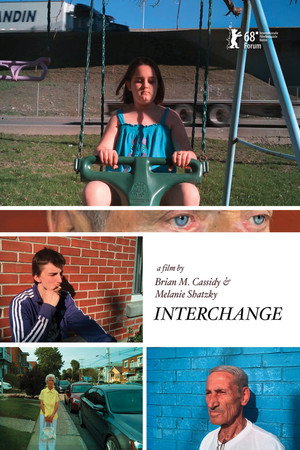
Bathed in the uncanny glow of late afternoon sun and set against a noisy highway, Interchange depicts the melancholy and isolation of a small working-class neighborhood on the outskirts of Montreal.
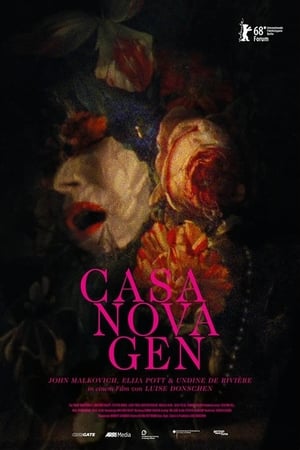
A person enters the frame dressed up as a bird. In a dressing room, John Malkovich sheds the costume of Casanova. A young woman's skirt is just as orange as the beak of a zebra finch singing in a cage. White lilies stand at the foot of a statue of the Virgin Mary, red roses in front of the window of an SM studio. There the quiet game of submission in exchange for money, in a museum an embrace, a poem whispered in the ear. Children playing in a forest in autumn. A forest in summer, framed by light. An orgasm and a dance.
Jamilia is the heroine of the classic Kyrgyz novel about a young woman who, having been forced to marry, fled with her lover. Fifty years later, Aminatou Echard meets several generations of Kyrgyz women, resulting in portraits reflecting both the novel’s candor and the strength of today’s Jamilias.
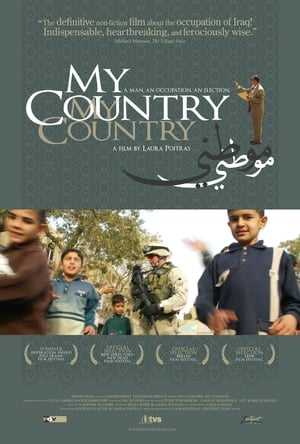
The director follows a Sunni Arab doctor as he prepares to run for the early 2005 elections in Iraq.
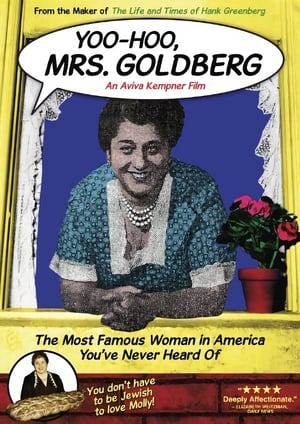
The story of the actor, writer and broadcasting pioneer, Gertrude Berg.
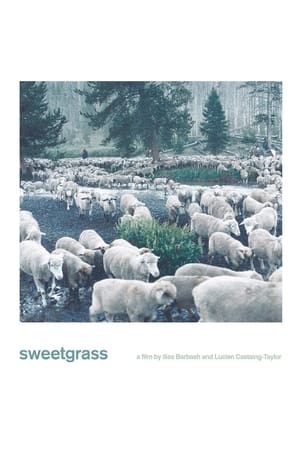
An unsentimental elegy to the American West, Sweetgrass follows the last modern-day cowboys to lead their flocks of sheep up into Montana's breathtaking and often dangerous Absaroka-Beartooth mountains for summer pasture, revealing a world in which nature and culture, animals and humans, vulnerability and violence are all intimately meshed.
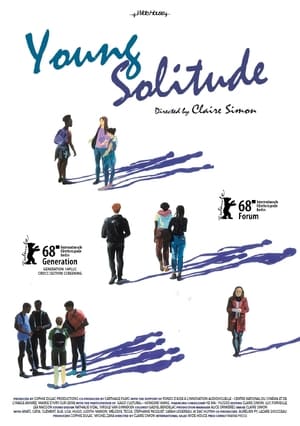
Claire Simon portrays an important time for any individual, from 16 to 18 years of age. Set in the Paris suburbs in high school (for those lucky enough to go), teenagers chat after and even during class, sitting in the hallway or outside on a bench, looking at the city below them.
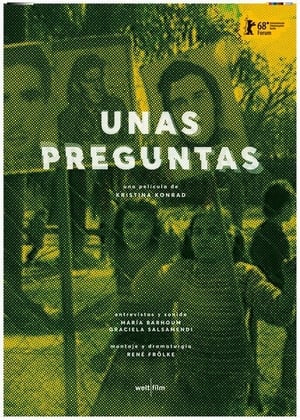
In 1986, the Uruguayan Parliament passed a law granting amnesty for all crimes and human rights violations committed by the military and police during the dictatorship (1973-85). This law of impunity prevented the clarification demanded by the relatives of those who had disappeared and been murdered by the former regime. A public initiative arose calling for a referendum in which the law be subject to the vote of the people. Unas preguntas uses U-matic footage, mostly of interviews recorded on the streets of Uruguay between 1987 and 1989, to present a time capsule of the period.
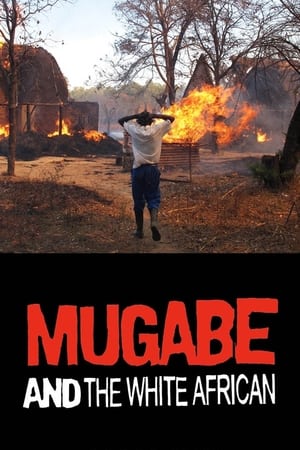
Short-listed as one of the 15 best documentaries of the year, Mugabe And The White African is the story of one family's astonishing bravery as they fight to protect their property, their livelihood and their country. Mike Campbell is one of the few white farmers left in Zimbabwe since its leader, Robert Mugabe, enacted his disastrous land redistribution program. Once the breadbasket of Africa, Zimbabwe has since spiraled into chaos, the economy decimated as farms given to Mugabe cronies are run into ruin. After enduring years of intimidation and threats, Campbell decides to take action. Unable to call upon help from his country's authorities, he challenges Mugabe before an international court.
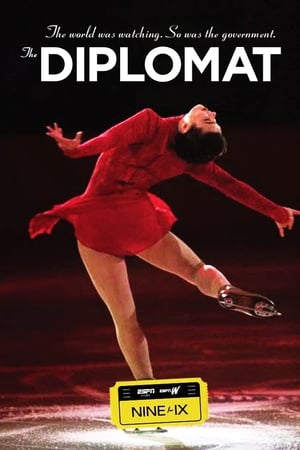
This film chronicles how figure skater Katarina Witt fought for her future in socialist East Germany, how she faced the changes after the fall of the Berlin Wall and how she ended up both a beneficiary and victim of the East German regime.
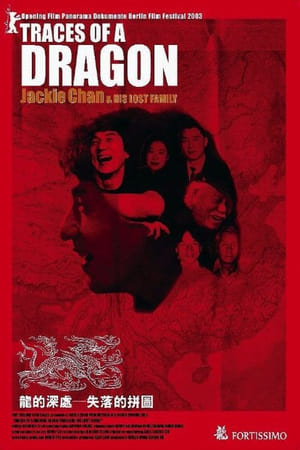
A surprising look at the past of movie star Jackie Chan and the difficulties of Chinese families during the Culture Revolution.
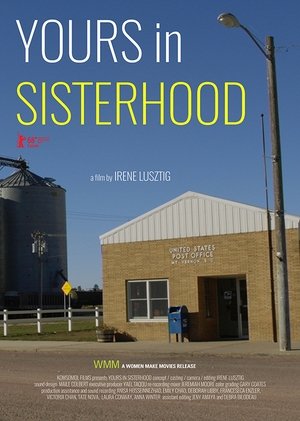
What might be revealed in the process of inviting strangers to act out and respond to 1970s feminism forty years later? Between 2015 and 2017, hundreds of strangers in communities all over the US were invited to read aloud and respond to letters from the 70s sent to the editor of Ms. Magazine–the first mainstream feminist magazine in the US. The intimate, provocative, and sometimes heartbreaking conversations that emerge from these spontaneous performances make us think critically about the past, present, and future of feminism.
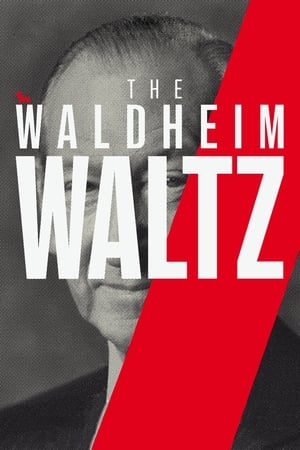
Ruth Beckermann documents the process of uncovering former UN Secretary General Kurt Waldheim’s wartime past. It shows the swift succession of new allegations by the World Jewish Congress during his Austrian presidential campaign, the denial by the Austrian political class, the outbreak of anti-Semitism and patriotism, which finally led to his election.
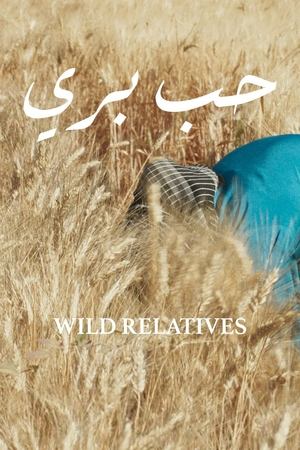
Deep in the earth beneath the Norwegian permafrost, seeds from all over the world are stored in the Global Seed Vault to provide a backup should disaster strike. For the first time ever, seeds held there from a major gene bank in Aleppo are now being replicated, after its holdings were left behind when the institution had to move to Lebanon due to the civil war. It is refugees from Syria who are carrying out this painstaking work in the fields of the Beqaa Valley. In the Levant, dry conditions and the power of global agricultural corporations are the biggest challenge, while in the Arctic Circle - where the seed vault was supposed to withstand anything - it is rising temperatures and melting glaciers.