"Free Spaces" sketches a new and transformative image of four major cities in Eastern Europe. In te post-communist urban settings of Tbilisi (Georgia), Yerevan (Armenia), Chișinău (Moldova) and Kiev (Ukraine), Ina Ivanceanu follows artists and activists as they reclaim public spaces and assert their freedom of expression. Occupying a cinema, reviving an old Soviet circus, converting a grim metro passage into a glamorous arena, and repurposing a defunct factory building into a cultural agora. By seizing and creatively transforming public spaces characterized by an abondoned past, today's new generation explores democratic means and freedom while also confronting pervasive neoliberal structures in their respective societies.
The world knows the image of the good Canadian. But what if there was a dark secret behind a national identity? THE GOOD CANADIAN exposes the truth behind the idea of a True North strong and free. In this unflinching and eye-opening documentary, directors Leena Minifie and David Paperny move us through the corridors of systemic inequity, from the Indian Act to residential schools, to modern-day family separation. Fusing shocking footage with detailed interviews with experts, advocates, whistleblowers and politicians, THE GOOD CANADIAN challenges national myth-making, while offering Canadians the chance to forge a new identity from the truth.
Kirill can never see his hometown again: he fled Russia when Ukraine was attacked. His friend, Daniel, makes the journey and “cans Moscow” for him. Kirill discovers his “reconfigured” apartment; his bicycle hanging on the wall watches over his remaining comrades. In snowy Moscow, the lights are shining for the holidays. Kirill looks at the images: engulfed passers-by, war posters: “This is not my city”.
Gdańsk, Poland, September 1980. Lech Wałęsa and other Lenin shipyard workers found Solidarność (Solidarity), the first independent trade union behind the Iron Curtain. The long and hard battle to bring down communist dictatorship has begun.
This spiritual successor to the 1942 original explores the vibrant yet tumultuous growth of Britishness over the past century. The film gives voices to a new reality of Britain, one that has been formed through the flourishing multiculturalism the country has seen since the original film was made. Academics and artists are interviewed to explore both past and present, and consider what a future Britain may look like.
A documentary about the history of Ukrainian Cossacks in the Kuban.
Turkey's history has been shaped by two major political figures: Mustafa Kemal (1881-1934), known as Atatürk, the Father of the Turks, founder of the modern state, and the current president Recep Tayyıp Erdoğan, who apparently wants Turkey to regain the political and military pre-eminence it had as an empire under the Ottoman dynasty.
The little-known story of Ukrainian children torn from their homes in the crush between the Nazi and Soviet fronts in World War II. Spending their childhood as refugees in Europe, these inspiring individuals later immigrated to the United States, creating new homes and communities through their grit, faith and deep belief in the importance of preserving culture.
Since August 2024, in Martinique, a popular protest movement against the high cost of living has been reemerging under the leadership of the RPPRAC (Rassemblement Pour La Protection Des Peuples Et Des Ressources Afro-Caribéens – Gathering for the Protection of Afro-Caribbean Peoples and Resources). On the island, food prices are on average 54% higher than in mainland France.* Through various cultural figures, the people of Martinique are expressing their anger and seeking concrete solutions. *Source: Kiprix, Price comparison between supermarkets in the French overseas territories and mainland France.
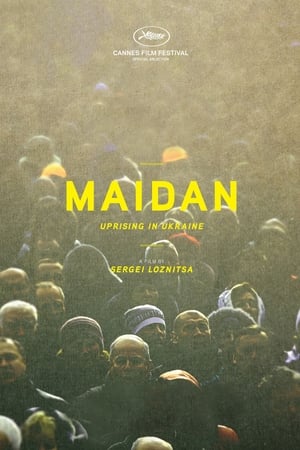
Filmmaker Steve York explores the controversial 2004 Ukrainian presidential election, during which candidate Viktor Yushchenko suffered a near-fatal poisoning and his unpopular opponent, Viktor Yanukovych, was declared the winner. In the aftermath, more than a million people -- including the ailing Yushchenko -- took to the streets of Kiev, protesting the results that contradicted exit polls showing Yushchenko with an impressive lead.
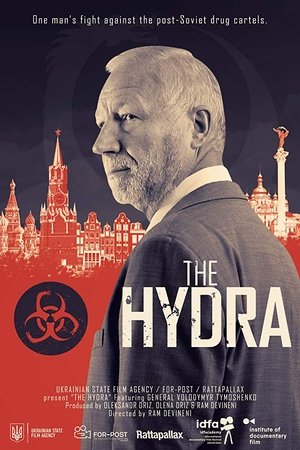
A fast-paced suspense thriller and feature documentary about the sudden rise of ecstasy in Europe to epidemic levels after the disintegration of the Soviet Union.
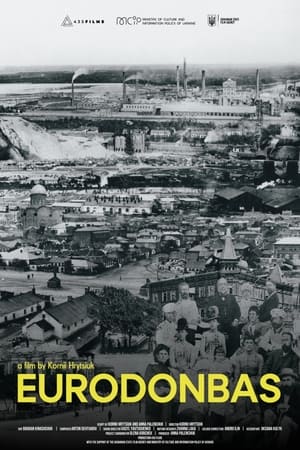
Throughout time, Eastern Ukraine (such as Donbas) has been referred to as a 'Russian world', but this is indeed not the case. The history of Donbas was re-written during the Soviet era. Although the Soviet Union edited out and withheld all references to the European background of this region from history books in schools and universities. There were, in fact, numerous French, Belgian, German, British, Polish, Swiss, Dutch, and even American settlements and more than 100 wide-scale enterprises in the region. Therefore, this film reveals the pro-European industrialization of Ukrainian Donbas at the turn of the 19th century. It aims to emphasize the European roots of Ukraine long before the official integration process of Ukraine into the EU in 2022.
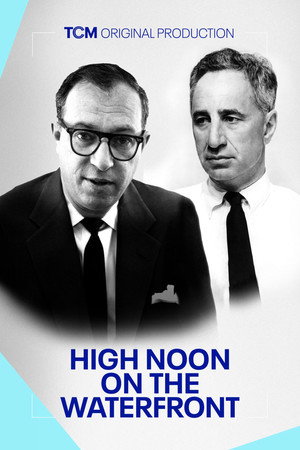
An inventive remembrance of the impact of the Hollywood blacklist on two American classics, rendered as a visually mesmerizing dialogue between Carl Foreman and Elia Kazan.
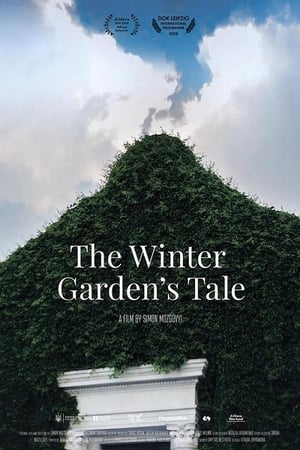
The film’s story is based on the fate of the Floriculture Pavilion of the former Exhibition of Achievements of the People’s Economy, and its elderly employee Valentyna Voronina, who maintains this space, investing her own life into it, until suddenly changes come to her. After forty-five years of work, she is asked to retire. But Voronina does not agree with that, because she thinks that all the plants will die without her. Meanwhile, a group of mysterious radioesthesists find a channel of positive energy right in front of the entrance to the pavilion.
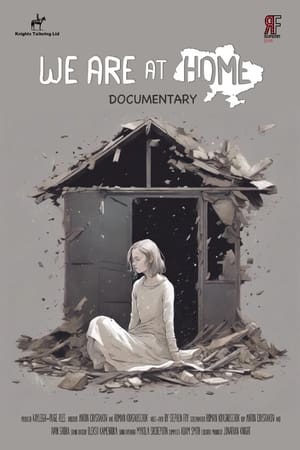
In the polyphony of voices, a search for home unfolds. What is home? What is its purpose? Is there anything bigger than home? What are the sounds, colours, and smells that let it live in our memory? The collective and the individual is expressed through the voices of those who lost it in the Russian war in Ukraine. Associations, memories, meanings: four letters, four hundred things between them — home.
Three juxtaposing stories taking place in Portugal, Austria and Cuba create an intimate and poetic portrait of the daily lives and struggles of the elderly in an unstable world, seen through the eyes of their grandchildren.
The documentary film uncovers the story of Mašín brothers, which is of the greatest stories of the Cold War. A group of five young men decided to leave the then-communist Czechoslovakia with guns in hand to join the fighting in the then expected war between the West and the East. The year was 1953, and today, through the last witnesses, we follow the 30-day dramatic journey to West Berlin and the subsequent fateful events that happened to her loved ones at home.
Three decades after the nuclear explosion, almost everything has been said about this ecological and sanitary disaster that made Pripiat a part of History. How did the greatest industrial disaster change the course of History, disrupt global geopolitics and, directly or indirectly, redistribute the balances and power relations of the twentieth century? The world will never be the same again. By retracing the incredible battle waged by the Soviet Union against radiation, this film proposes to retrace and enlighten an extraordinary story, while exploring the historical stakes in the medium and long-term…
Two filmmakers juxtapose field recordings and documented moving images as an attempt to reconcile with their place in their desensitized semi-urban hometown in India.
Documentary that follows Go_A’s lead singer Kateryna Pavlenko in the build up to Eurovision 2021.