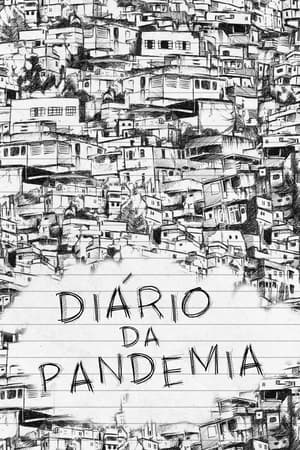
Diário da Pandemia
Danish documentary about the relationship between Queen Magrethe II and the prime ministers.
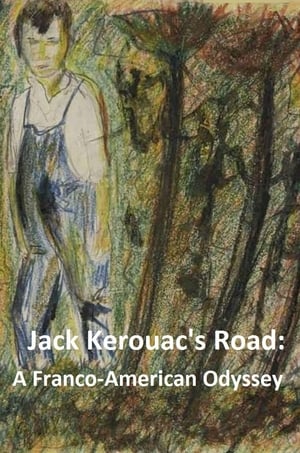
Part documentary, part drama, this film presents the life and work of Jack Kerouac, an American writer with Québec roots who became one of the most important spokesmen for his generation. Intercut with archival footage, photographs and interviews, this film takes apart the heroic myth and even returns to the childhood of the author whose life and work contributed greatly to the cultural, sexual and social revolution of the 1960s.
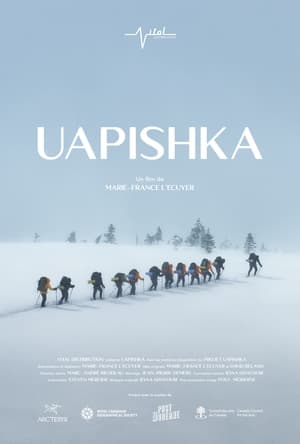
North of the 51st parallel, where the dense boreal forest opens onto an arctic islet, the snow-capped peaks of the Uapishka Mountains watch over the Nitassinan of Pessamit. In the heart of winter, a group of Innu and non-Innu adventurers attempt to cross this vast mountain range on snowshoes, completely independently. Faced with the vastness of the territory, the rigors of the northern climate and the impetuous breath of the tundra, they discover each other in a different way, form friendships and unite to better chart their course. Over the kilometres, the adventure reveals a space for meeting, sharing and reconciliation.
This short documentary film is a fascinating portrait of urban and rural Quebec in the late 1960s, as the province entered modernity. The collective work produced for the Quebec Ministry of Industry and Commerce calls on several major Quebec figures.
Gilles Groulx's first film shot in 1955 with a camera borrowed from his brother and edited during his spare time when he worked as an editor at the Radio-Canada news service a few years before he joined the NFB. Silent film, presented as its author left it, where the soil and the dialectic of Groulx's work are already there: documentary realism, the social space to be explored, daily life, the relationship between individual and society, social disparities, the consumer society, seduction and happiness.
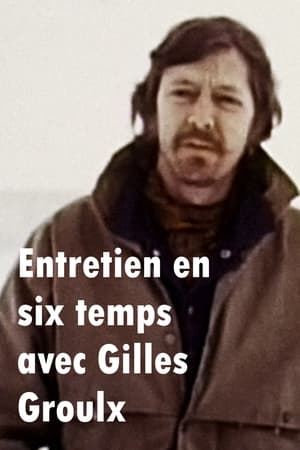
This feature-length documentary brings together six of the rare television interviews given by Gilles Groulx between 1966 and 1983. Through these interviews, the filmmaker's ethical and aesthetic concerns are revealed. A striking coherence emerges in his thinking regarding his conception of cinema and the role the filmmaker should play in his culture and society.
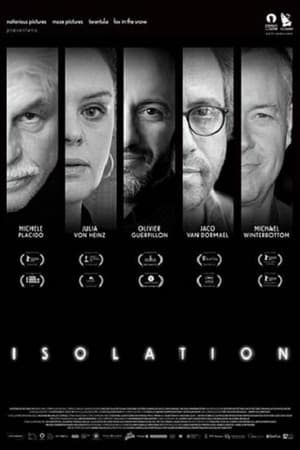
A collective documentary film, from five european directors asked to witness the revolutions and dramas caused in their own countries by the pandemic. Among them, “Two Fathers”, directed by Julia von Heinz (20’). After the death of his father, Hans-Michael von Heinz, the director finds out the truth about her parent true sexual identity. In order to know more, she starts emailing persons who got to know him over the last years, among them his closest friend, director Rosa von Praunheim.
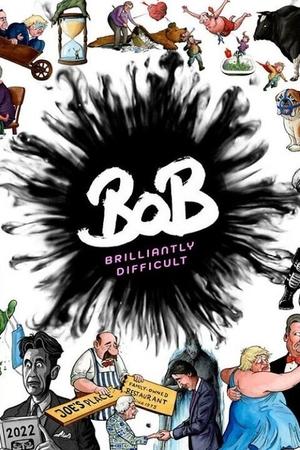
This is the story of Bob Moran, the ethical British cartoonist who lost his job at the Telegraph during the Covid-19 crisis for being too honest. Tune in to learn more about Bob and what led him to become one of the few political cartoonists crossing the lines that need to be crossed.
The film also recorded the beginning of the pandemic in China through the lens of international correspondent Marcelo Espíndola, roasting in São Paulo, Santos, Manaus and Pará. As well as Dr. Roberto Eballos (Doctor and Master in Immunology), Dr. Gustavo Pasquarelli (Infectious) and 23 other health professionals.
December 6, 1989. Sylvie Gagnon was attending her last day of classes at the University of Montreal's École Polytechnique, when Marc Lépine entered the building. Separating the women from the men, he opened fire on the women students, yelling 'You're all a bunch of feminists.' Sylvie survived, while fourteen other women were murdered. This video makes the connection between the massacre and male violence against women, setting the stage for an exploration of misogyny and sexism.
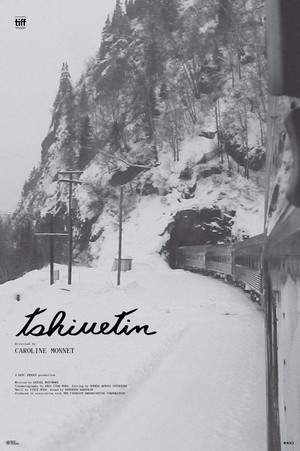
Take a breathtaking train a ride through Nothern Quebec and Labrador on Canada’s first First Nations-owned railway. Come for the celebration of the power of independence, the crucial importance of aboriginal owned businesses and stay for the beauty of the northern landscape.
As Cirque du Soleil reboots its flagship production, O, more than a year after an abrupt shutdown, performers and crew members face uncertainty as they work to return to their world-class standards in time for the (re)opening night in Las Vegas. With unfettered access, filmmaker Dawn Porter captures the dramatic journey of the world's most famous circus act on its way back from the brink.
Yagorihwanirats, a Mohawk child from Kahnawake Mohawk Territory in Quebec, attends a unique and special school: Karihwanoron. It is a Mohawk immersion program that teaches Mohawk language, culture and philosophy. Yagorihwanirats is so excited to go to school that she never wants to miss a day – even if she is sick.
Aux rythmes du monde : couleur sur fond blanc
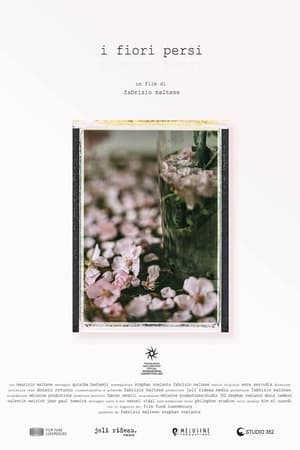
March 2020. Fabrizio, a photographer and filmmaker who lives in Luxembourg, returns to his family in central Italy after his father has suffered a heart attack. It’s the beginning of the pandemic, the country is in lockdown. An intimate diary and an ode to filial love in the face of the most trying circumstances a son can face. A tale of the soul and personal hardship in the context of a broader collective tragedy.
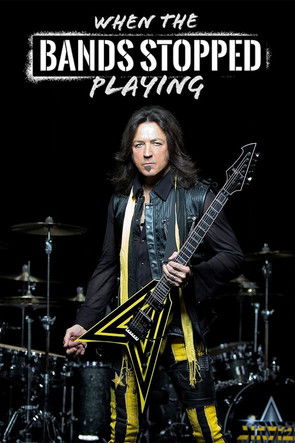
Follow the journey of a time capsule of the live music industry shut down overnight by the Covid-19 pandemic, as seen through the eyes of artists, venue owners, promoters, road crews, and more.
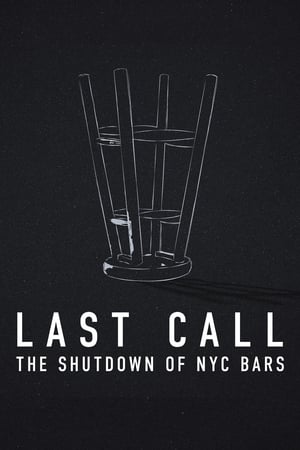
The hospitality industry is the artistic heartbeat of New York. Thousands of artists, musicians, and actors flock to Queens to work in the service industry to supplement their dreams. In March of 2020 these dreamers put their lives on hold, self- isolating and sacrificing their income as Queens became the global epicenter of COVID-19. LAST CALL follows two local bars and frontline workers in a tale of two sacrifices that saved not only the lives of thousands but also the future of New York.
New truths revealed about the COVID-19 pandemic and its consequences
Briser le code