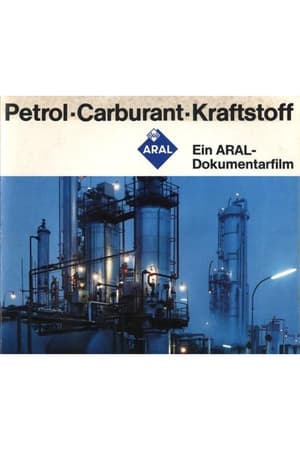
An audiovisual experiment that shows how oil is refined into gasoline and ultimately powers cars and other vehicles, accompanied by classical music and experimental synthesizer sounds. Filmed in the Libyan desert, the film traces the path and development of the gasoline, from the extraction of oil as it is drilled in the Libyan desert to the pump at the gas station, making road construction machines dance and convertibles roar through the Spessart forests. This film also drew Herbert von Karajan and Leo Kirch's attention to Hugo Niebeling, in which the director has road bulldozers "dance" to the music of Vivaldi.
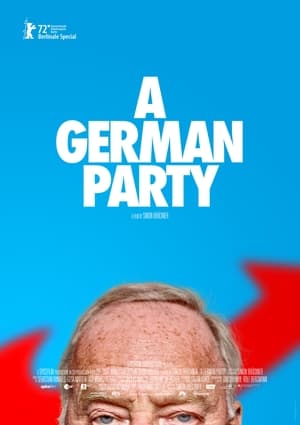
A focus on the inner workings of a political party making headlines at district, state and national level as an “alternative for Germany”. Thanks to the film’s striking objectivity, it becomes clear where argument ends and contradictions begin.
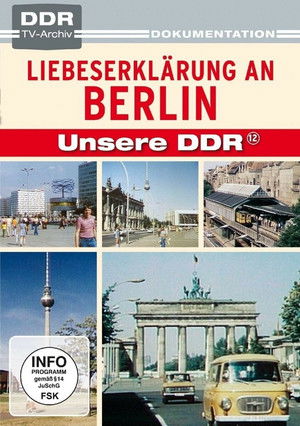
A stroll through East Berlin in 1977 - unique original recordings of the GDR capital by day and night, summer and winter, accompanied by music, offer a comprehensive insight into the diversity of urban life at that time. Numerous sights, famous buildings and squares, such as the television tower, the Red City Hall, the Palace of the Republic, Alexanderplatz and Unter den Linden, are shown. Popular places for leisure and recreation are also filmed, including the zoo, Volkspark Friedrichshain, the Christmas market on Alex and the Pankow outdoor pool. The film team also interviews a wide variety of Berliners, giving an impression of the lifestyle and everyday life of the capital's inhabitants at the time. The cityscape is rounded off with insights into new housing developments, renovated streets, businesses, restaurants and stores as well as official political events, military parades and memorial ceremonies.
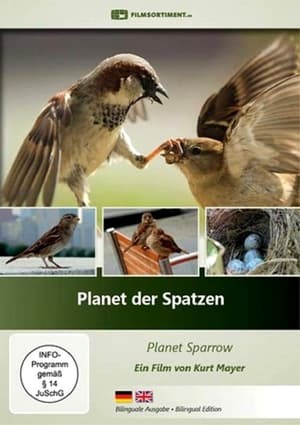
Planet der Spatzen
Was wurde aus der Stasi?
Olivia Rodrigo performed at a surprise show at the Ace Theatre in Downtown Los Angeles on October 9th, 2023. For this intimate, stripped down performance, she played most of the songs from her about to be released album, "GUTS".
Standing near the reptile section in a zoo we can learn a lot about the animals on both sides of the separating glass.
Featurette about and with italian actress Nicoletta Elmi, known for her works in italian genre cinema during the early 70s to the mid 80s.
The Bora is one of the strongest winds in the world, a force of nature. She forms landscapes and sets elements in motion. It determines everyday life and permeates the minds of the people who live in its sphere of influence.
Ensemble et séparés : sept rendez-vous avec Jean-Luc Godard
Joza's humble appearance does not reveal his wild past. Now a tour guide in Jerusalem, he was once Israel's biggest cocaine dealer: he's been constantly reinventing himself while making all the possible mistakes along the way.
After leaving his village at the age of 12 and traveling thousands of miles, a young Afghan immigrant works for years to build a new life in Paris.
Ça marche !?
D’un clandestin, l’autre…
Les petits maîtres du grand hôtel
The end of the Franco-Prussian war (1870-71) saw the birth of the panoramas of war, huge circular paintings depicting scenes of war, cruelty and desolation that were contemplated by thousands of spectators, a kind of inmersive static newsreels, a mass media prior to the era of mass media, a virtual reality on canvas.
The City of Replicas is Famaillá, a town in Tucumán governed by the Orellana Twins, two brothers obsessed with building architectural replicas and establishing the city as the National Capital of Twins.
On 13 March 2020, several governors in Brazil imposed social isolation restrictions in their states as an effort to fight the COVID-19 pandemic. President Jair Bolsonaro disagreed.
This is a film made by Andriy Zagdansky about his father, the screenwriter Yevgeni Zagdansky, who was the editor-in-chief of the Kyivnaukfilm studio for almost 20 years. The story is interspersed with fragments of popular science films and letters from Yevgeni Zagdansky to his son in New York in the 1990s, creating a portrait of both the person himself and the whole era. My Father Evgeni is a film not just about the inevitable generational conflict and the pain of a father’s separation from his son, but also about the events of the 20th century, about people who read banned books, and about the Kyiv that shaped the Zagdanskys.
Henri unravels the infrastructure of the LGBTQIA+ Community as we take a stroll through his daily life and get a grasp of what it truly means being different while trying to live an honest life in a world ruled by politics and religion.