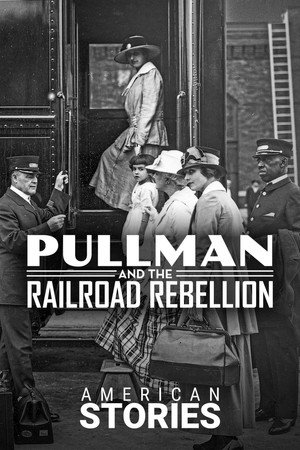
The film, which is the second part of an ongoing historical series, covers the seminal labor-related events which occurred between the late 1800's and the 1920's. Its subtitle refers to a 1915 song composed by Ralph Chaplin as an anthem for unionized workers. The film itself is the cinematic version of that anthem, as it allows us a comprehensive understanding of the need for these early labor unions, and the enormous sacrifices of its members to ensure fairness, safety, and equality in the workplace.
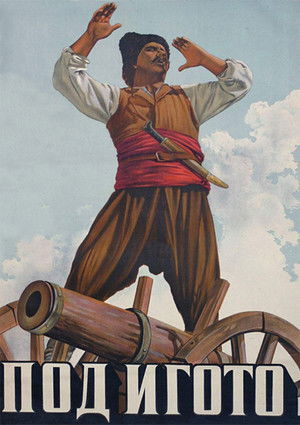
Based on true events. In the Romanian town of Lupeni August 5, 1929, driven to despair by hard labor conditions miners under the leadership of Communists organized a strike. The miners demanded higher wages and an eight-hour workday. They opposed the government's attempts to shift the entire burden of the economic crisis onto the workers' shoulders. The government, concerned about the scale of the strike and the workers' determination not to give in to their demands, ordered troops to shoot at unarmed people. On August 7, the strike was brutally suppressed. Many workers were killed. But these events have forever gone down in the history of the Romanian labor movement as an example of solidarity, heroism and invincibility of the people.
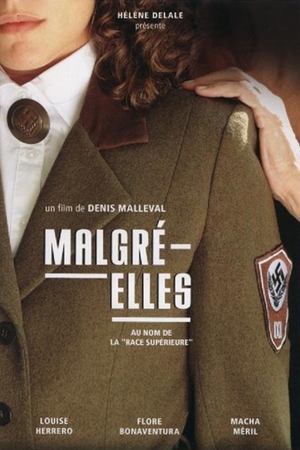
Two beautiful and different girls, Alice and Lisette are 17 years old, when forcibly removed from their Alsatian family to cooperate in the war effort in Germany. After spending six months in a indoctrination camp, they are both sent to a munitions factory where they are tasked to perform inhuman works. An explosion erupts, they are suspected of sabotage and threatened with being sent to a boot camp. Alice and Lisette believe they saved when transferred to a maternity where they continue living the hell of war.
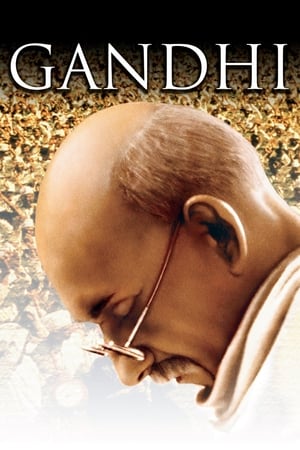
In the early years of the 20th century, Mohandas K. Gandhi, a British-trained lawyer, forsakes all worldly possessions to take up the cause of Indian independence. Faced with armed resistance from the British government, Gandhi adopts a policy of 'passive resistance', endeavouring to win freedom for his people without resorting to bloodshed.
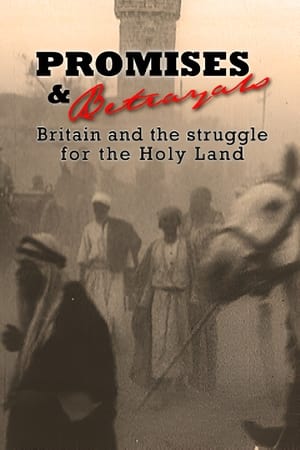
During World War I, English officer Thomas Edward 'T.E.' Lawrence sets out to unite and lead the diverse, often warring, Arab tribes to fight the Turks.
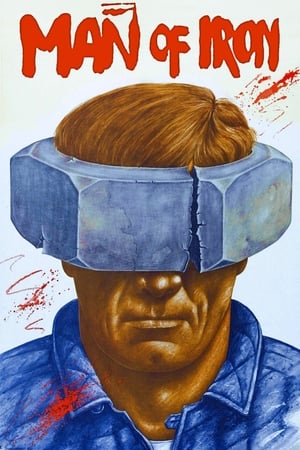
In Warsaw in 1980, the Communist Party sends disgruntled radio reporter Winkel to Gdańsk to dig up dirt on the shipyard strikers - particularly on Maciek Tomczyk, an independent labour union leader whose father was killed in the December 1970 protests. Posing as sympathetic, Winkel interviews the people surrounding Tomczyk, including his detained wife, Agnieszka.
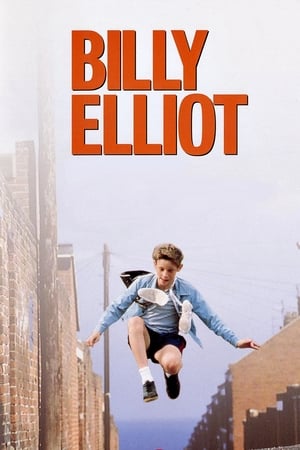
County Durham, England, 1984. The miners' strike has started and the police have started coming up from Bethnal Green, starting a class war with the lower classes suffering. Caught in the middle of the conflict is 11-year old Billy Elliot, who, after leaving his boxing club for the day, stumbles upon a ballet class and finds out that he's naturally talented. He practices with his teacher Mrs. Wilkinson for an upcoming audition in Newcastle-upon Tyne for the royal Ballet school in London.
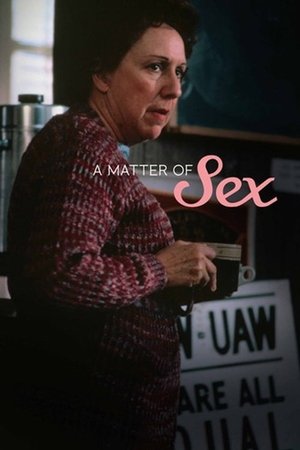
Dramatization of the true story of the so-called Willmar Eight, a group of Minnesota bank workers who braved freezing conditions whilst picketing their branch in a struggle for union rights.
Gdańsk, Poland, September 1980. Lech Wałęsa and other Lenin shipyard workers found Solidarność (Solidarity), the first independent trade union behind the Iron Curtain. The long and hard battle to bring down communist dictatorship has begun.
Maria suffers from the strangest illness; it resembles cancer but with one distinct difference: it somehow connects Maria to the fate of a 15th century woman named Donna Maria. Maria begins to time travel, gradually discovering the absolute brutality of history. She learns that Donna Maria was a Hungarian princess taken to a Bursa harem as a concubine of Ottoman's Sultan.
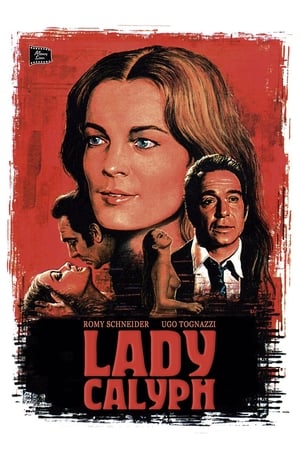
La Califfa's husband was killed during the strikes so she takes the side of the strikers. Her conflict with the plant owner Doverdo gradually turns into a love relationship.
Set against the backdrop of an increasingly violent strike, a worker falls in love with the middle-class daughter of his landlady.
A strike at a French sausage factory contributes to the estrangement of a married filmmaker and his reporter wife.
The lives of several individuals intertwine as they go about their lives in their own unique ways, engaging in acts which society as a whole might find disturbing in a desperate search for human connection.
A group of paint worker can’t take their salary from the fabricator and they go on strike.
Les 90 Jours
In the mid-1960s, Bretons took direct action against the French state. What were the origins and causes of this fervor, sung by Glenmor, the bard of this angry Brittany, from which young people had to emigrate to find a future?
In near-future New York, ten years after the “social-democratic war of liberation,” diverse groups of women organize a feminist uprising as equality remains unfulfilled.
In the 1950s, a poor Georgia cotton farmer and his sons search for the gold presumably buried on the farm by their grandfather but problems related to poverty, marital infidelity, unemployment and booze threaten to destroy their family.
When a local mining company dares to provide its workers a fair wage for a fair day's work, and lets its workers unionize, the kingdom's villainous potentate is less than pleased. After considerable pressure, the company agrees to blame unrest in the region on a blameless worker collective.