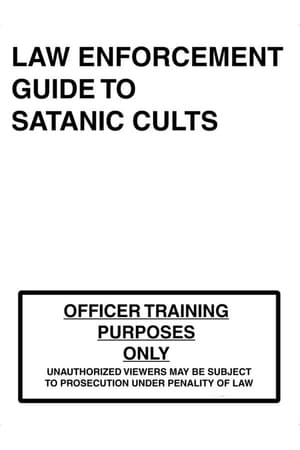
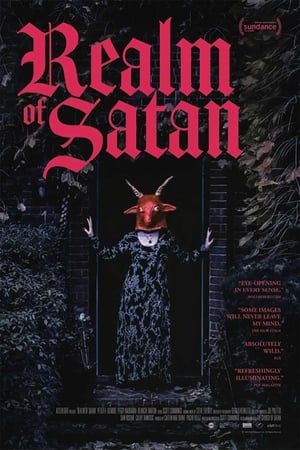
The dawn of the 21st Century has found much of modern society obsessed with occult mysteries, sadistic violence, and evil. Everything from cartoons and video games to recorded music and major theatrical films are being designed and promote to "satisfy" the public's insatiable lust for the macabre. Most disturbing is the rise in the practice of Satanism. Law enforcement agencies are unable to keep up with the increasing numbers of heinous, Satanically inspired crimes. Basically a remake of Devil Worship: The Rise of Satanism (1989) using the same footage.
Is today's Revival Of Evil setting the stage for the antichrist? Join David Hunt in this fascinating journey into the world of the occult. See candid shots inside Anton LaVey's First Church of Satan, hypnotic regression to "prior lives", and psychic "revelations" from UFOs. Occultism also masquerades as the latest in science, education, parlor games & movies. Through candid interviews learn the truth about witchcraft in famous rock groups, psychic powers and seances among teenagers, demonic possession through yoga, and the true power behind Ouija boards as told by those who are still involved and others who have been triumphantly delivered through Jesus Christ.
"No film may throw ridicule on any religious faith..." So began Article VIII of the Hollywood Production Code, a series of ethical guidelines that for forty years helped the motion picture industry produce many of the greatest and most family-friendly films in history. That was then, however, this is now. A revered "historical" movie quietly takes every opporturnity to lie and twist the facts in order to make Christians appear as backward, foolish hypocrites. An actress jumps at the chance to play a Christ-hating role, saying, "I'm an atheist, so it was a joy." One of Hollywood's most respected directors films a passion play written by a disciple of Friedrich Nietzsche, the father of the "God is dead" movement. Not surprisingly, the movie's Jesus helps crucify people and later confesses that satan is inside him. A media mogul states that "Christianity is a religion for losers."
A look inside one of the most brutal campaigns of state repression in modern history - told by those who endured it and those who enforced it.
Set entirely inside Folsom Prison, The Work follows three men during four days of intensive group therapy with convicts, revealing an intimate and powerful portrait of authentic human transformation that transcends what we think of as rehabilitation.
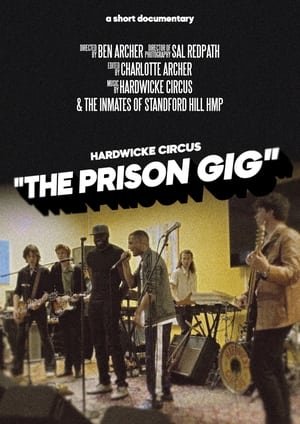
Former conservative Justice Secretary Ann Widdecombe visits a Norwegian prison that has been described as the most luxurious of its kind.
This essay film navigates the intersections of folklore, folk horror and black propaganda during the Troubles. Beginning in the filmmaker’s childhood home of Carrickfergus, Simon Aeppli embarks on a personal journey through haunting landscapes and archival discoveries to reveal a past steeped in strangeness and horror. The film examines a bizarre propaganda operation in which the British army staged fake black magic rituals to smear the IRA as ‘Satanists’. This unique blend of video essay and desktop documentary explores the spectres of Northern Ireland’s history through landscape and archival footage, audio interviews, and personal reflections. The film grapples with themes of buried histories, social control, and the haunting legacy of psyops and black propaganda.
A horrific triple child murder leads to an indictment and trial of three nonconformist boys based on questionable evidence.
71 years in the making, this feature documentary experience reveals the extraordinary life journey of Hollywood's most unlikely hero, Danny Trejo.
Jeffrey Ferguson has been on death row for 26 years. Now he has just one hour left before he is put to death. Would you forgive the man who killed your daughter?
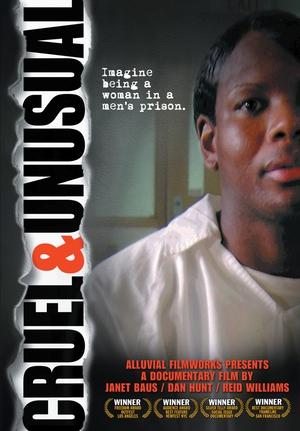
Rosa is a Mexican woman who, at the age of 17, migrated illegally to Austin, Texas. Some years later, she was jailed under suspicion of murder and then taken to trial. This film demonstrates how the judicial process, the verdict, the separation from her family, and the helplessness of being imprisoned in a foreign country make Rosa’s story an example of the hard life of Mexican migrants in the United States.
In prisons ruled by toxic masculinity, dancing is an absolute taboo. But at Lancaster’s A-Yard, near Los Angeles, a group of young men, willing to take a chance to be mocked in the yard, start a dance class led by French choreographer Dimitri Chamblas. This class quickly becomes an intoxicating escape from their grim reality so they decide to create a dance show. In this exceptional context, the inmates engage with overwhelming sincerity, evoking their childhood, ganglife, the crimes, the prison, and their desire for transformation. Beyond damaged lives and a prison system on the edge of the abyss, DANCING IN A-YARD explores redemption and the capacity of human beings to reinvent themselves, when given a chance. And more importantly, how art and introspection can help see the light.
A rare clip from 1994 warning of the dangers that lurk in America: homosexuals and Satanists.
With the VHS images of his childhood, Miguel tells Fábio a particular story of his experience as a Colombian child and of the first manifestations of Satan in his life.
This film from Bill Moyers is the first documentary to focus exclusively on people formerly detained in New York City’s notorious Rikers Island Jail. They tell their compelling stories direct to the camera, revealing the violent arc of the Rikers experience – from the trauma of entry to extortion and control by inmates, to oppressive corrections officers, violence and solitary confinement.
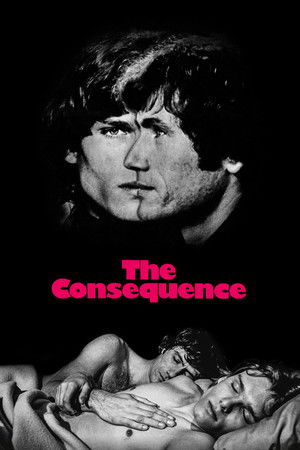
Thomas, the son of a prison warden, falls for Martin, one of the prison inmates. After Martin is released, they try to build a relationship and a life together but, no one will leave them alone.
Errol Morris examines the incidents of abuse and torture of suspected terrorists at the hands of U.S. forces at the Abu Ghraib prison.
At underground film of the 1st Popular Festival of Catalan Poetry filmed in the Proce Theater in Barcelona on May 25, 1970, in solidarity with political prisoners. The participating poets were: Agustí Bartra, Joan Oliver (Pere IV), Salvador Espriu, Joan Brossa, Francesc Vallverdú and Gabriel Ferrater.
The youngsters housed in the "Almafuerte" Maximum Security Juvenile Institute have their first approach to audiovisual recording. A film and documentary video workshop serves as an excuse for them to make a short film inside the prison. The camera is a rabid toy that generates fascination in them and rescues a sheltered, innocent smile that seemed forgotten under the shadows. While inside libertarian cries bounce against the walls, outside sounds fanfares of an iron fist.
A male prison escapee heads for his hidden loot, electronically attached to a female prisoner.