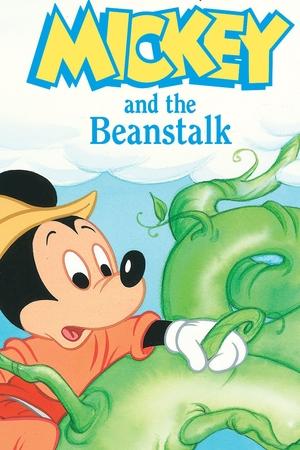
A mysterious thief has stolen the prosperous Happy Valley's most prized possession: the musical Singing Harp. Can Mickey, Donald, and Goofy find the answer in the irritable Willie the Giant's magnificent castle up in the blue sky?
In this clever and over-the-top satire of romantic rituals, a cartoon pickup artist is violently torn apart by the women he courts. Don Hertzfeldt's first student film, he plays the part of a mentally unwell animator who's losing his grip within his own movie; an idea he'd later revisit in other early "meta" shorts "Genre" and "Rejected". Despite being produced at the age of 18 and not intended for exhibition, HBO named it "The World's Funniest Cartoon" in 1998.
In Don Hertzfeldt's second student film, a hapless cartoon character is dragged through a spectrum of cinematic situations by his frustrated animator.
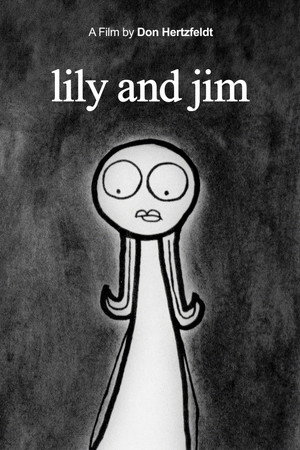
A blind date ends in disaster.
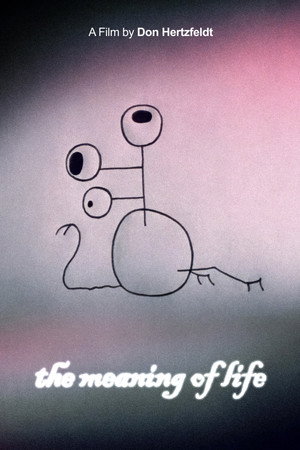
A sprawling look at the evolution of humankind, over the course of a billion years.
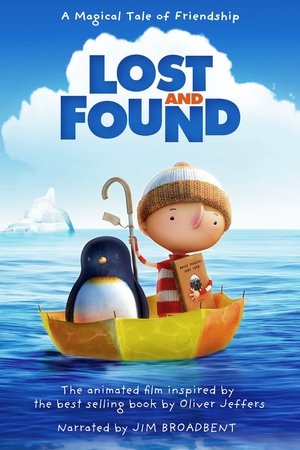
A magical tale of friendship and loneliness, which tells the story of a little boy who one day finds a penguin on his doorstep. Although at first he is unsure what to do, the boy becomes determined to help the penguin find his way back home... even if that means rowing all the way to the South Pole!
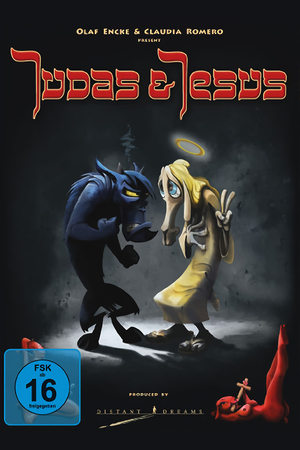
Judas is the hero and Jesus is the villain in this lewd retelling of the classic Bible story. Depicted through anthropomorphic animals, we see a unique alternative perspective. Judas (an unscrupulous black goat) has been at odds with Jesus (a self-righteous white sheep) ever since childhood. However, when an opportunity arises to sell Jesus out for the 30 Euros he needs to get into Maria Magdalena's sex show, things finally seem to start going Judas' way. But what will Jesus' adoring fans have to say about it?
Mapo's experiences on the Camino de Santiago, or St. James Way. On this legendary route, he will pass through villages and meet other pilgrims who, like him, are seeking new experiences and emotions.
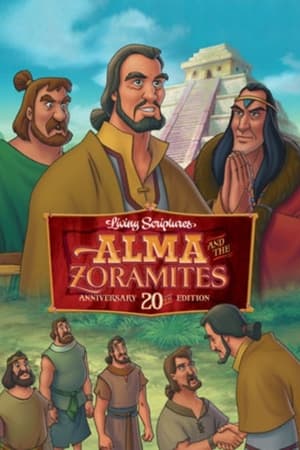
Zoram and his prideful people have corrupted their religion which teaches them to boast of their righteousness and persecute the poor. Alma and Amulek fail to persuade the rich Zoramites to repent. Alma ministers to the poor believers and teaches one of the most important lessons on faith and humility. Zoram forces the believers in Antionum from their land where they finally find refuge with Lamanite converts in Jershon.
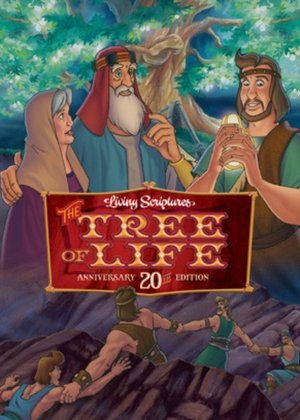
The prophet Lehi had a dream that brought joy and concern for the eternal welfare of his family. The symbols of Lehi’s dream contain teachings important to us even today. The meaning behind the symbols are brought to life, from the mists of darkness to the great and spacious building. The importance of holding— and helping others grasp— the iron rod so that we can partake of the fruit of eternal life becomes clear.
A short film advertising the newspaper Sztandar Młodych (The Banner of Youth), noteworthy for its abstract elements painted directly onto film stock. An attempt at showing the complexity of the world in a capsule, the film reflects the new policy of the openness to the West during the Thaw of the late 1950s in Poland.
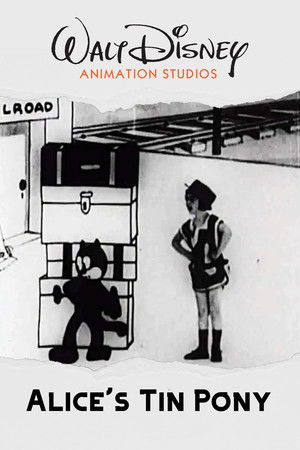
Alice and Julius are driving a train, which is carrying a large payroll. Pete the Bear and his gang find out about it and devise a plan to rob the train.
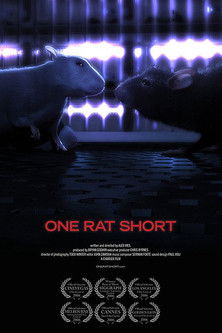
A city rat pursues a nearly empty bag of cheese snacks that's drifting in the breeze. His journey takes him through a vent into a highly mechanized rat lab, where one particular white female gets his attention.
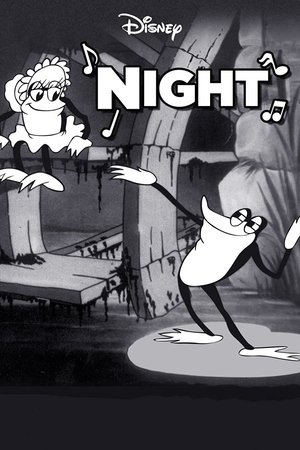
The moon and two owls sing to the Blue Danube Waltz, celebrating the night. Moths dance around a candle flame, fireflies glow, frogs chorus, and so forth.
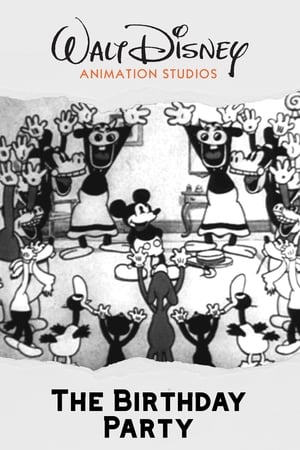
Mickey's friends throw him a surprise birthday party at Minnie's house. The chef brings out the cake (with 2 candles); Mickey manages to blow all the cake onto the chef's face, while the candles stay lit. He unwraps his present: a miniature piano. He plays a duet of I Can't Give You Anything But Love, Baby with Minnie, followed by an instrumental version of The Darktown Strutter's Ball, which everyone dances to (including Mickey and Minnie, while the piano stools keep playing). Mickey then plays There's No Place Like Home on the xylophone, then accompanies Minnie on another piece, after which the xylophone gets frisky and eventually dumps Mickey in the fish bowl.
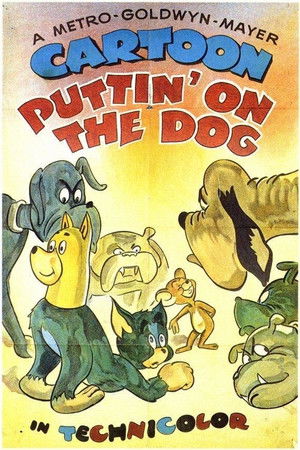
Jerry runs into a dog pound (and right on top of a napping Spike) to escape a rather mangy-looking Tom. To avoid being ripped to shreds, Tom borrows the head of a nearby dog statue. This easily fools the dogs, but not Jerry, and Tom keeps losing his newfound head...
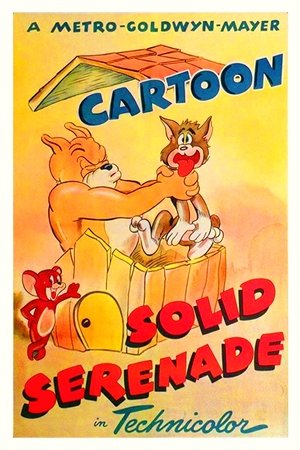
Tom ties up Spike and sneaks into the courtyard of the glamorous Toodles Galore with his bass, hoping to woo her with his song, much to the annoyance of a sleeping Jerry.
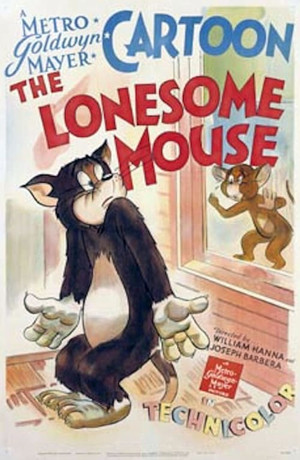
Jerry crashes a vase onto Tom's head, which gets Mammy to throw Tom out. Jerry at first revels in his freedom, but soon tires of this, and, under a flag of truce, hatches a plan with Tom.
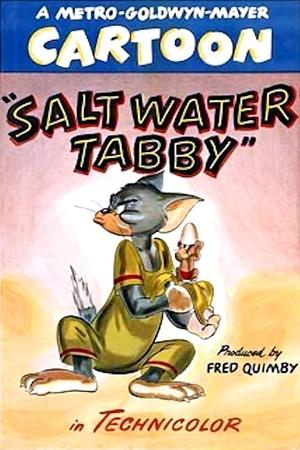
It's a grand day at the beach for Tom and his girlfriend Tootles — that is, until Jerry shows up.
The seven short films making up GENIUS PARTY couldn’t be more diverse, linked only by a high standard of quality and inspiration. Atsuko Fukushima’s intro piece is a fantastic abstraction to soak up with the eyes. Masaaki Yuasa, of MIND GAME and CAT SOUP fame, brings his distinctive and deceptively simple graphic style and dream-state logic to the table with “Happy Machine,” his spin on a child’s earliest year. Shinji Kimura’s spookier “Deathtic 4,” meanwhile, seems to tap into the creepier corners of a child’s imagination and open up a toybox full of dark delights. Hideki Futamura’s “Limit Cycle” conjures up a vision of virtual reality, while Yuji Fukuyama’s "Doorbell" and "Baby Blue" by Shinichiro Watanabe use understated realism for very surreal purposes. And Shoji Kawamori, with “Shanghai Dragon,” takes the tropes and conventions of traditional anime out for very fun joyride.