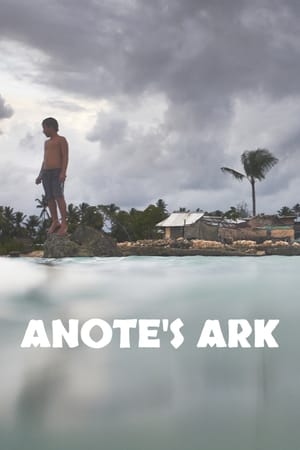
How does a nation survive being swallowed by the sea? Kiribati, on a low-lying Pacific atoll, will disappear within decades due to rising sea levels, population growth, and climate change. This exploration of how to migrate an entire nation with dignity interweaves personal stories of survival and resilience.
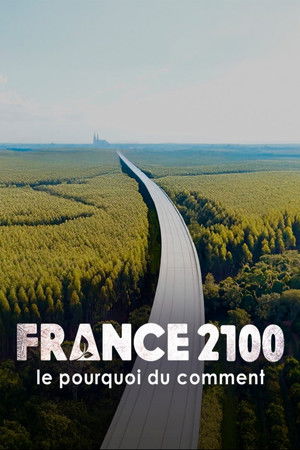
France 2100, le pourquoi du comment
France, il était une fois demain
For 40 years, billy barr has lived alone in small cabin in one of the coldest places in the United States – the ghost town of Gothic, CO. With no goals of proving anything, or even knowledge that the climate was changing, billy started collecting data about snowpack to pass the time in his isolated part of the world. When climate researchers at the Gothic-based Rocky Mountain Biological Lab discovered billy’s decades of detailed records, they uncovered clear and compelling evidence of climate change. As someone who has had to learn to survive in such a harsh environment, billy shares some advice about how to move forward on our changing planet.
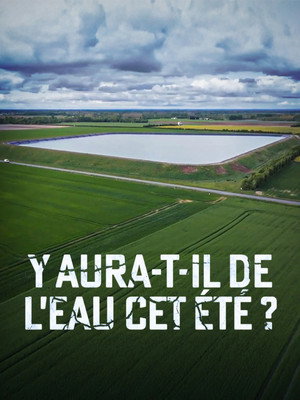
Through encounters with a hydrologist, a farmer, and citizens mobilized around the Marais Poitevin, the director helps us understand the effects—on biodiversity and the state of rivers—of substitution reservoirs, also known as megabassins. For several years, Anne-Morwenn, David, Patrick, Yann, and others have been fighting for fair water sharing and devising ways to convince as many people as possible that it is time to change the agricultural model.
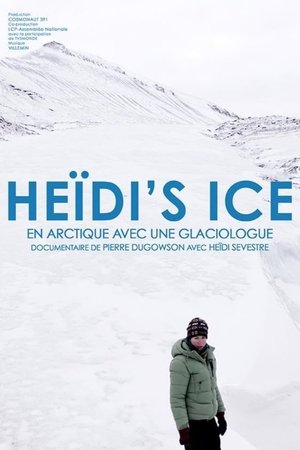
Heïdi's Ice
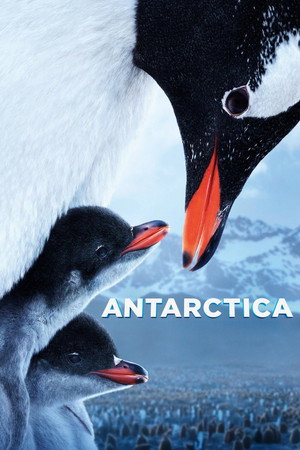
Antarctica is the most extreme continent on our planet—higher, colder, and even drier than any other on Earth, and although it is thousands of miles away, what happens here affects every single one of us.
The foreshore as you've never seen it before! War, survival, and marine ballet: in a Microscomos-style odyssey with sumptuous images, this documentary takes a close-up look at the aquatic world at low tide and its colorful creatures.
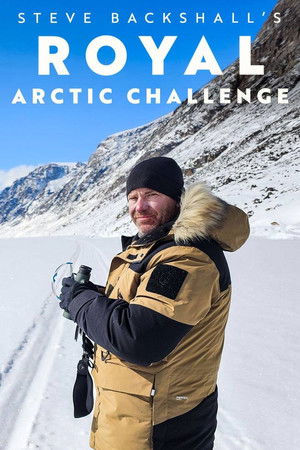
50 years on from the event, environmentalist Steve Backshall retraces a young Prince Charles' Arctic adventure and uncovers dramatic changes to our planet alongside an urgent need for action.
Deriva Litoral - o impacto da erosão costeira em Portugal
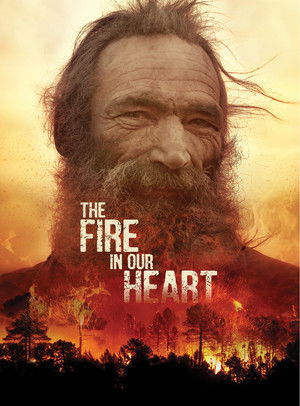
On British Columbia’s remote Southside, wildfire is not an abstract threat—it is a lived reality. As flames close in on a frontier community, the Cheslatta Carrier Nation and their neighbours face an impossible choice: evacuate, or stay to protect the land that defines them. With limited access and little outside support, the community responds collectively, drawing on Indigenous leadership, cooperation, and generations of knowledge to confront the fire in near isolation. In the aftermath, the burn reveals a long-erased Cheslatta village site, resurfacing a suppressed history just as their response gains wider attention as a model for resilience. But when the flames recede, new constraints emerge—raising questions about the limits of community-led action, and the fragile balance between survival, autonomy, and authority.
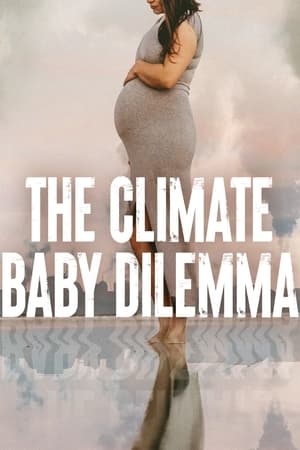
Deciding whether to have a child is an emotionally fraught and deeply personal process. Deciding amid increasingly dire warnings about the climate makes it even more paralyzing. The Climate Baby Dilemma is a documentary charting the growing number of young people either refusing to bring a child into an increasingly unstable world or struggling with the ethics of whether they should or not. As the conversation about intimacy and climate change heats up, we meet activists, journalists, parents and prospective parents, ethicists and scientists to unpack this growing trend.
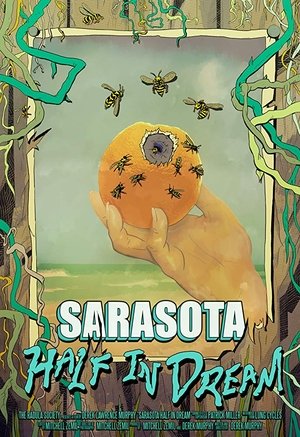
An experimental documentary about dead turtles, crab swarms, decaying tennis courts, and microscopic histories. The filmmakers shot their explorations into the abandoned golf courses, factories, and resorts of Sarasota, Florida and spoke to local youths who are using them for new and strange purposes. What would the Surrealists and Situationists think of a suburban, subtropical tourist town? What goes on in a storage unit in the dead of night? What is the afterlife of a decommissioned train car? What ghosts haunt a ruined hotel? What is the life cycle of a city? When will waters wash it all away?
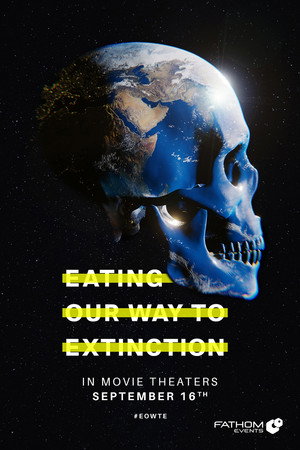
With searing insight that shines light in dark corners, EATING OUR WAY TO EXTINCTION is a compelling feature documentary that opens the lid on the elephant in the room no one wants to talk about. Confronting and entertaining, this documentary allows audiences to question their everyday choices, industry leaders and governments. Featuring a wealth of world-renowned contributors including Sir Richard Branson and Tony Robbins, it has a message of hope that will empower audiences.
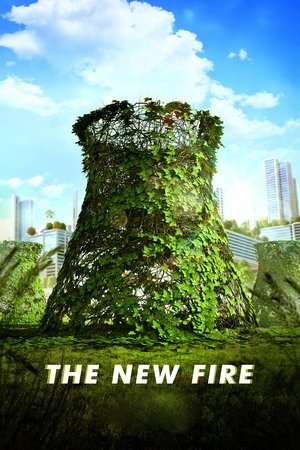
As the effects of climate change become more and more apparent, a new generation of nuclear engineers is on the rise, hoping to help solve this greatest environmental challenge humanity has ever faced. THE NEW FIRE is a documentary by Emmy-winning director David Schumacher, which provides a timely perspective on addressing climate change and global development. Nuclear energy has been vilified in much of the environmental community, yet the next-generation reactors currently in development may actually be the key to avoiding climate catastrophe
2 Degrees is about nothing less than the fight for the health of the planet we call home. The abstract idea of climate change is explored through the weaving of real and emotional journeys an audience can relate to. Our characters battle to mitigate the potential disasters of climate change and fight for climate justice, for it will be the developing world that bears the brunt of our profligacy and short sightedness. While An Inconvenient Truth alerted us to the problems facing the earth, 2 Degrees is the gripping and vital fight for a solution.
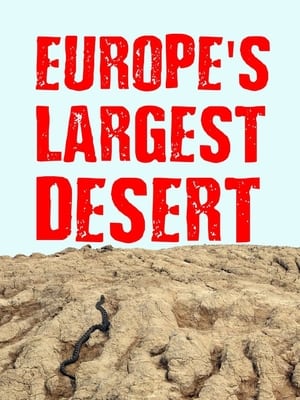
Near the cold Pyrenees of Iberia, surrounded by ancient and dark green forests, lies a strange land where the rain is scarce and the wind is always blowing. The soil is poor, there are no trees and the landscape resembles the moon. Is this what the future of desertification will look like? Incredible creatures with surprising behavior live in this strange landscape. The documentary explores a place with very dry skin but a wet hidden heart where even waterfowl or amphibians can live. Living in such conditions is not easy and only the toughest animals will survive.
The decision to move to Holland doesn't sound like a wise idea. Why move to a country that could be flooded at any moment? For the last 25 years, the political climate has shifted. The public debate on migration has become harsher, more heated, and polarized. What would have been considered right-wing xenophobia back then, is now considered mainstream. Populists simplify complex realities into good and evil, victims and perpetrators: ‘us’ versus ‘them’. Their rhetoric often consists of dehumanizing words and metaphors. One of these is ‘water’. In reality, water is not an immediate threat to the average Dutch person; but it is a huge threat to the thousands trying to reach the Netherlands. People trying to survive the Mediterranean Sea in rubber boats. Trying to survive winter on the Aegean coast in primitive tents. To them, water really is deadly.
Four stories from the Nordic region paint a picture of a changing natural world, where the elements rage and where being prepared proves to be much more than sandbags and fire extinguishers.
David Attenborough takes viewers on a breathtaking journey showing there is nowhere more vital for our survival, more full of life, wonder, or surprise, than the ocean. Through spectacular sequences featuring coral reefs, kelp forests and the open ocean, Attenborough shares why a healthy ocean keeps the entire planet stable and flourishing.