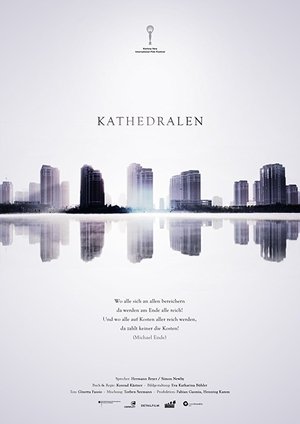
The city of Ordos, in the middle of China, was build for a million people yet remains completely empty. Ordos is not so much a place but a symbol of babylonic hype. But nothing will change - as long as people believe.
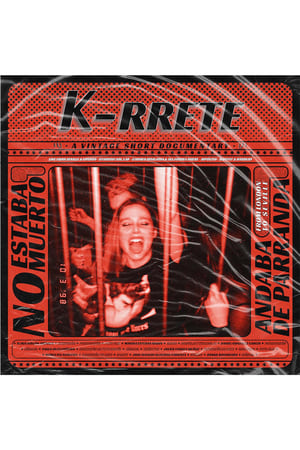
K-RRETE
Au pire ça sera ça
Nominated for an Emmy® Award in 2021 for best non fiction special. Winner of 35 grand jury awards. Filmed in 2016 at Standing Rock, North Dakota, this powerful documentary follows the Indigenous leaders as they unite the Native Nations for the first time in 150 years in order to rise up in spiritual solidarity against the unlawful Dakota Access Pipeline which threatens their treaty lands, sacred burial sights and clean water. These young Native Leaders honor their destiny by implementing a peaceful movement of resistance which awakens the world.
Using local media footage from the London Borough of Southwark spanning the past 20 years, this documentary discusses complex social issues including gang violence, knife crime, and mental and sexual health.
An in-depth look at the recent legal battles and accusations surrounding hip-hop mogul Sean "Diddy" Combs; diving into the key details, the impact on his career, and what the allegations mean for his future.
A&E Comprehensive biographies of five of the greatest classic stars of the horror genre. Features lots or archive footage from some the greatest horror films committed to celluloid.
T. S. Eliot ends one of his most famous poems, "The Hollow Men", by repeating three times the sentence "This is how the world ends" - and then adding: "Not with a bang but a whimper."
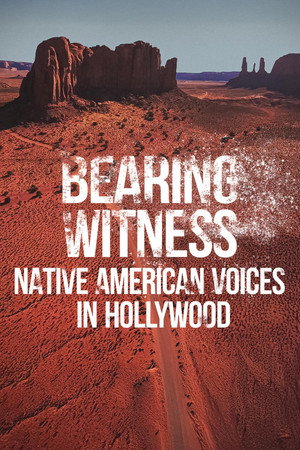
For over 100 years, Hollywood cinema has crafted the ultimate "villain"- the Indian, as they were labeled in early Westerns. Confined almost exclusively to this genre, the Western became a vehicle for American racism, obscuring the genocide upon which the United States was built. In this documentary, only Native Americans are given a voice to share their story, one that has been overshadowed by Hollywood's portrayal. Their narrative, part of the larger American story, highlights how cinema has long been used as a powerful propaganda tool, distorting history and perpetuating harmful stereotypes.
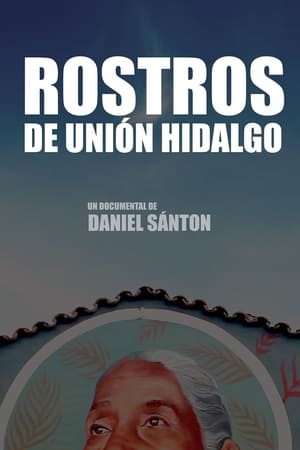
In Unión Hidalgo, Oaxaca, México, there is a group of people who pay homage to living characters in the community through urban murals, generating an identity that is reflected on the walls of traditional houses.
"This film explores how freedom of speech — including dissent — is afforded to all Americans, and shows freedom of expression in art, music, dance, architecture, and science. The film also emphasizes the importance of the individual’s contribution to the whole of society and demonstrates how a productive and creative society is formed by the open and respectful exchange of ideas. The film was written, produced, and directed by William Greaves" (National Archives).
The mysterious chi is presented as a force that can be produced by the master and defies all explanation.
In interviews, various actors and directors discuss their careers and their involvement in the making of what has come to be known as "cult" films. Included are such well-known genre figures as Russ Meyer, Curtis Harrington, Cameron Mitchell and James Karen.
Visionary, radical, spiritual seeker, renowned poet, founding member of a major literary movement, champion of human rights, Buddhist, political activist and teacher. Extensive archival footage, interviews, and home movies cover Allen Ginsberg's life, activism, and influence on American culture through the Beat era, the 1960s, and beyond.
Partly adapted from cosmologist Stephen Hawking's popular book about his theories of the universe, this in-depth documentary also presents Hawking's daily life as he deals with the ALS that renders him virtually immobile and unable to speak without the use of a computer. Hawking's friends, family, former classmates and peers are interviewed about not only his theories but the man himself.
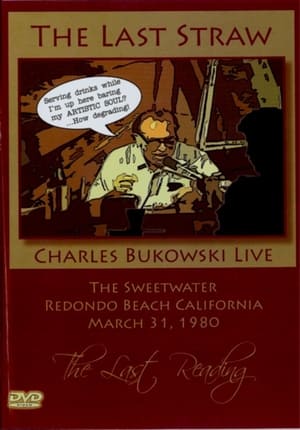
The Last Straw is a film documenting the very last live poetry reading given by Charles Bukowski at The Sweetwater, a music club in Redondo Beach, California on March 31, 1980
In Asheville, NC, five individuals find their place in longboard world. This is an action documentary crafted with a broad audience in mind, appealing to more than just the downhill community.
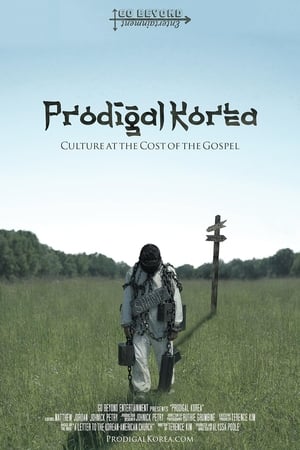
Prodigal Korea is a documentary that highlights the cultural divide between the first and second-generation Korean-Americans, particularly in the context of the church. The film showcases the struggles of the second-generation Koreans as they attempt to navigate the cultural expectations of their parents and their own identity crisis as Americans. The documentary features interviews with second-generation Korean-Americans who share their stories of growing up in a culturally traditional Korean family in America. They speak about their struggles to balance the expectations of their parents, who often hold onto traditional Korean values, and their own desire to assimilate and become more American.
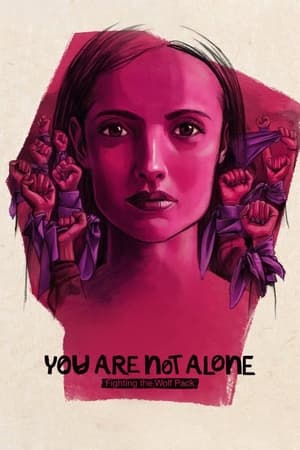
Through key testimonies, this documentary looks at a gang rape that took place during the 2016 San Fermín festival and sparked protests worldwide.
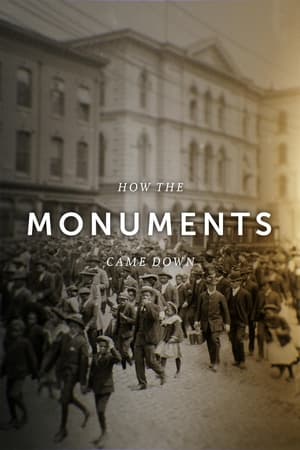
How the Monuments Came Down is a timely and searing look at the history of white supremacy and Black resistance in Richmond. The feature-length film-brought to life by history-makers, descendants, scholars, and activists-reveals how monuments to Confederate leaders stood for more than a century, and why they fell.