Various amphibious pond dwellers, including grass frogs, tree frogs, common toads and other amphibians are shown moving around, feeding, mating, fertilizing and evolving. Also on display are natterjack and midwife toads, yellow-bellied toads and water frogs.
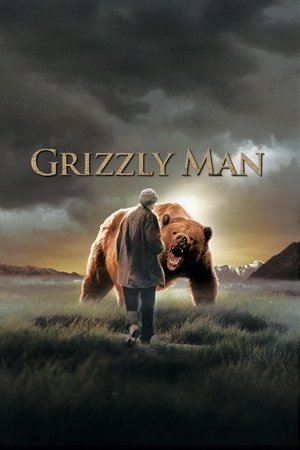
Follows the story of "Grizzly Man" Timothy Treadwell and what the thirteen summers in a National Park in Alaska were like in his attempt to protect the grizzly bears. The film is full of unique images and a look into the spirit of a man who sacrificed himself for nature.
“Balance of Life” is a film about life’s and human kinds’ fight to find the balance between our own evolving life style and the nature of the planet we inhabit. The human race is drifting further and further away from its real roots and from what being a human is really about. The speed of development has increased to a state where humans have a hard time keeping up. We find ourselves in a situation where both our own and the planets’ wellbeing is severely threatened. As a last resort human is relying on faith to find the balance. Is faith the last defense of man or is this world guided by forces greater than us? Is this force God, evolution or just the mere sum of coincidences that formed the universe, the natural order and laws of physics?’ Watch it here (https://vimeo.com/51203265)
In GHOSTS OF THE FOREST daredevil bird and wildlife cinematographer, John Young is embarking on a journey into the rainforest of the tropical north to find those creatures often heard but rarely, if ever, seen.
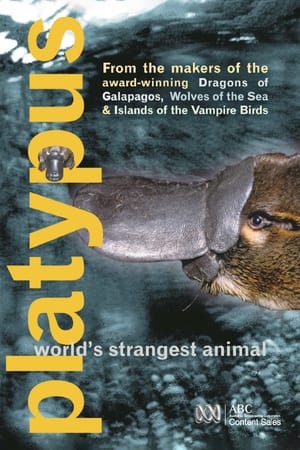
One of only two living mammals to lay eggs, the platypus has baffled and inspired the scientific community for hundreds of years. Three years in the making, this stunning natural history film takes us down the East Coast of Australia to the many serenely beautiful habitats of the platypus. Technology specially created for this film captures images from inside the nesting chamber of a wild platypus, and records the extraordinary sounds of the mother suckling her offspring. We watch as they grow from newborns to adulthood. Join renowned documentary makers David Parer and Elizabeth Parer-Cook (Dragons of Galapagos, Wolves of the Sea) on this fascinating journey from the rainforests of Queensland to the frozen mountains of Tasmania, as they reveal new insights into this mysterious creature.
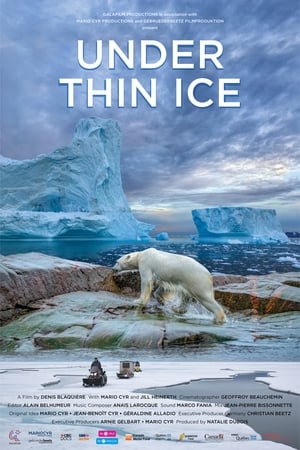
Two Canadian experts in underwater filming, Mario Cyr and Jill Heinerth, join forces for the first time to record how Arctic wildlife is adapting to the dramatic effects of climate change.
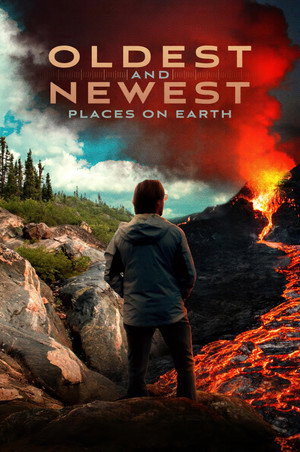
It all started with a simple question: Is it possible to travel to the oldest and newest places on Earth? YouTuber, author and filmmaker Joe Scott looked into it, and it turned into the trip of a lifetime. It's a journey across 4 billion years of geologic history that explores the past and present of our remarkable planet, the absurd immensity of deep time, and our tiny but important place in it.
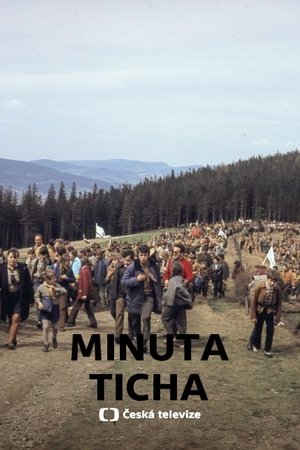
Minuta ticha
The biodiversity of a pond, which is already endangered in many places, is shown. The individual specimens are introduced over the course of an early summer's day. The highlight is the frog concert at night.
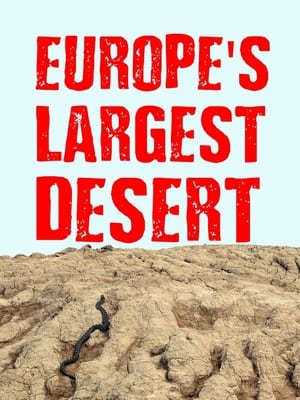
Near the cold Pyrenees of Iberia, surrounded by ancient and dark green forests, lies a strange land where the rain is scarce and the wind is always blowing. The soil is poor, there are no trees and the landscape resembles the moon. Is this what the future of desertification will look like? Incredible creatures with surprising behavior live in this strange landscape. The documentary explores a place with very dry skin but a wet hidden heart where even waterfowl or amphibians can live. Living in such conditions is not easy and only the toughest animals will survive.
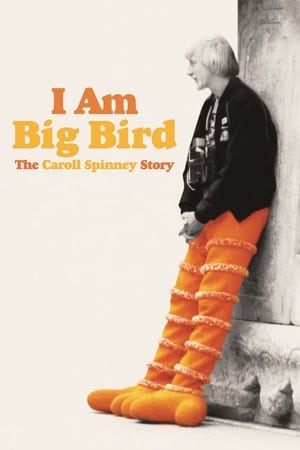
A documentary about Caroll Spinney who has been Sesame Street's Big Bird and Oscar the Grouch since 1969. At 78-years-old, he has no intention of stopping.
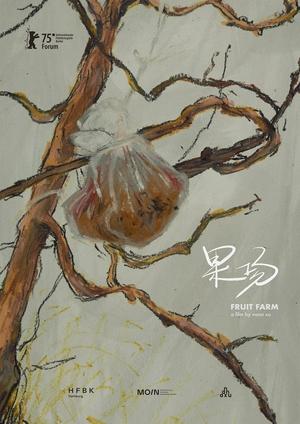
Nana Xu travels to the place built by her father as a prisoner during the Cultural Revolution: first a work camp, later a prison, fruit farm and treatment centre. Conversations with last remaining witnesses, where home is still shaped by a repressed past.
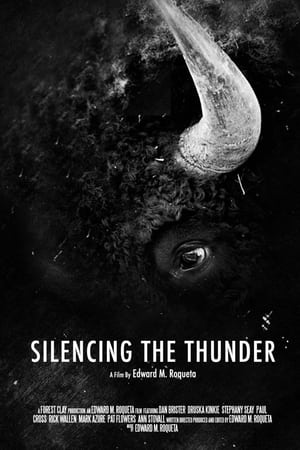
When temperatures drop in Montana, wild bison migrate to lower elevations outside the boundaries of Yellowstone National Park. But once outside, they run the risk of being killed because some carry a chronic disease called brucellosis that ranchers fear could spread to cattle.
Castelo de Mesía
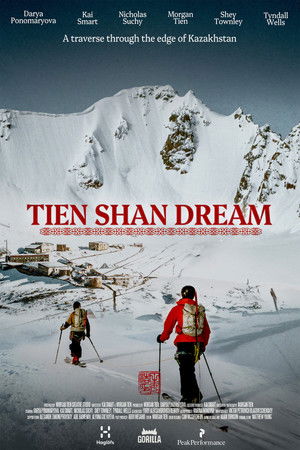
A team of international skiers embark on a two-week glacier traverse connecting two remote research stations in Kazakhstan. The Tien Shan's 4000+ meter peaks host an active scientific community, leveraging the rare environmental conditions for groundbreaking research. Established during the Soviet Union's occupation, the high-altitude research stations here are home to some of the longest-standing glacier and cosmic radiation experiments in the world - and are surrounded by deadly alpine terrain.
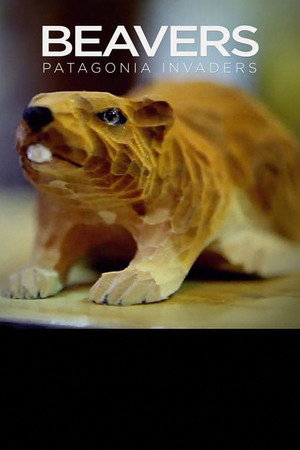
In 1940 twenty Canadian Beavers were brought to 'Tierra del Fuego' island in southern Patagonia for commercial fur production. However, beavers having no natural predators, quickly spread throughout the island, causing massive destruction of trees threatening the entire Patagonian forests rivers and species. Why wildlife conservationist are convinced that 150.000 beavers must be killed? Why some of the most recognized specialist are convinced that an eradication is not possible? Meanwhile truism is capitalizing on the situation: a man dressed as a beaver passes out flyers promoting a famous sky resort: 'Cerro Castor' - Beaver Hill. Hunters claim for subsidies, scientists are researching, rangers do what they can and restaurants tray to offer beaver meat to tourist.
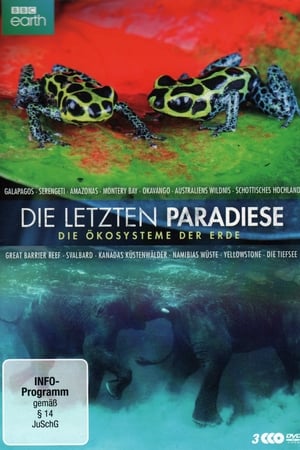
Die letzten Paradiese - Die Ökosysteme der Erde
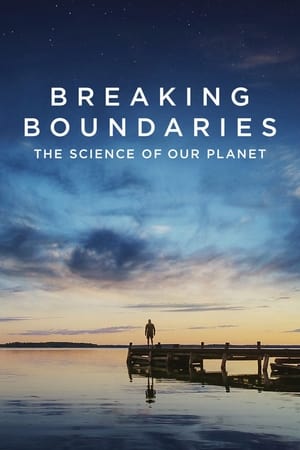
David Attenborough and scientist Johan Rockström examine Earth's biodiversity collapse and how this crisis can still be averted.
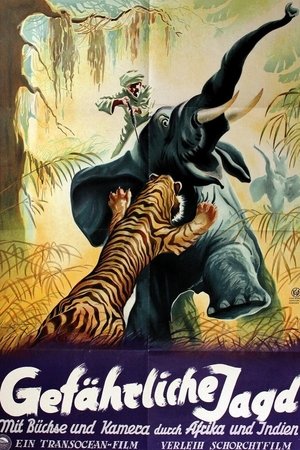
A humorous documentary about a historic hunt in 1929 through the African savannah and Indian jungle with lots of animal footage.
The Alps – wild mountains, extreme lives, but also a magical world. This majestic mountain range connects eight countries and reaches heights of up to 4,000 metres above sea level. At a length of 1,200 kilometres, the Alps form both a connecting bridge between western and eastern Europe and a high barrier between southern and central Europe. The mountains act as a mighty water reservoir and continental watershed, feeding innumerable rivers that flow into three different oceans. Their highest peak, Mont Blanc, is surrounded by long, soaring mountains with ice-covered slopes. These great summits are just one reason the so-called “Roof of Europe” continues to fascinate – across the continent and around the world. The incredible diversity of landscapes, flora and fauna makes the Alps a unique natural treasure at the heart of Europe.