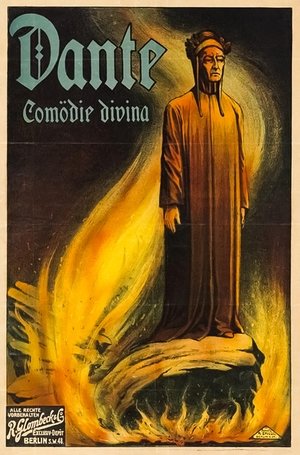
A two-reel adaptation of Dante Alighieri's Inferno from the Divine Comedy by Helios Film. It is less well-known than the five-reel feature produced the same year by Milano Films, but it was released earlier in 1911.
He sits asleep at a bare table; old witch enters, raps three times, then disappears; cavalier sees table spread for a sumptuous repast. Mephistopheles appears; then the old witch, who suddenly changes to a beautiful young girl. The changes and magical appearances are startling and instantaneous.
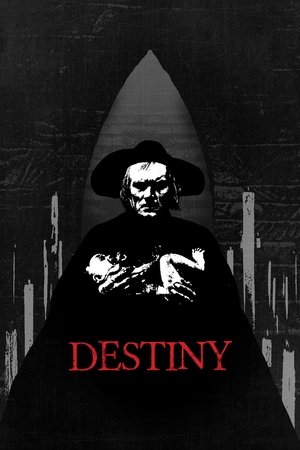
As a young couple stops and rests in a small village inn, the man is abducted by Death and sequestered behind a huge doorless, windowless wall. The woman poisons herself in order to join him and is met by Death, who gives her three opportunities to prove that love is stronger than death, thereby freeing her beloved from his fate.
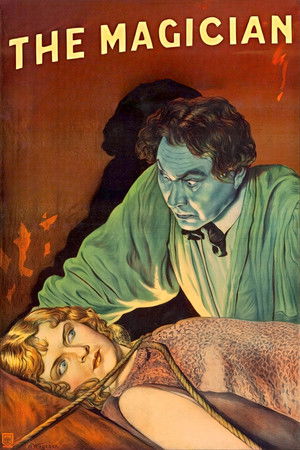
A young woman, Margaret Dauncey, is caught between the forces of a charlatan magician, Oliver Haddo, whom she is unable to resist, and the love of a handsome surgeon, Arthur Burdon, who has saved her from being a helpless cripple by performing a delicate operation on her spine.
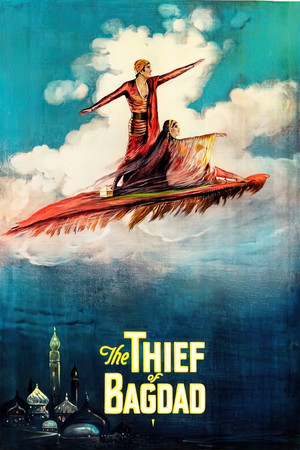
A nameless thief falls in love with the Caliph of Bagdad's daughter. The Caliph will give her hand to the suitor that returns with the rarest treasure after seven moons. The thief sets off on a magical journey while, unbeknownst to him, another suitor, the Prince of the Mongols, is not playing by the rules.
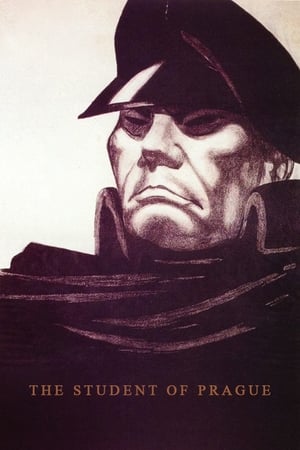
Prague, Bohemia, 1820. Balduin, a penniless student, falls in love with Countess Margit, a wealthy noblewoman whom he has saved from drowning.
A demon, a reaper, and the ghost of a prostitute read gothic short stories and act them out.
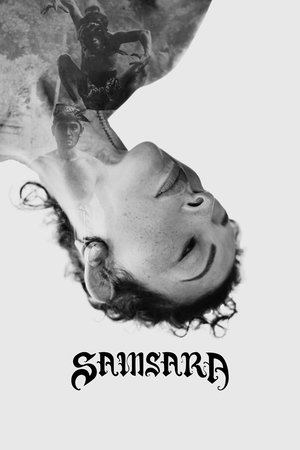
Darta, a man from an impoverished family, is rejected by the wealthy parents of the woman he loves. Desperate, he strikes a bargain with the Monkey King, performing a dark ritual to gain wealth. However, in doing so, he accidentally curses his wife and child to a life of suffering. Rooted in Indonesian mysticism, this universal narrative explores the insatiable hunger to become something one is not and the boundaries one is willing to cross to achieve it.
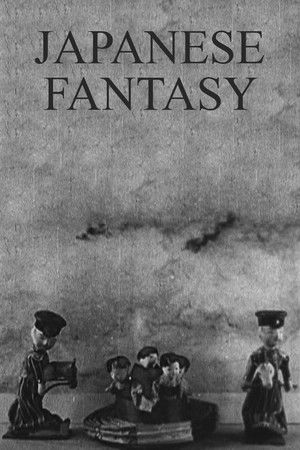
This subject presents a remarkably clever series of illusions in which a Japanese lantern, several dolls, chickens, mice and grasshoppers play a very prominent part.
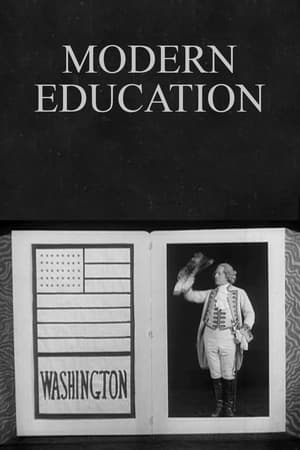
The great men of letters and military conquest pose on subsequent pages of a very special history book.
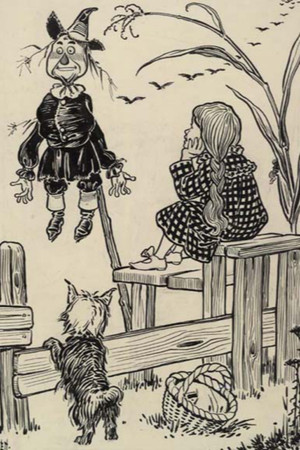
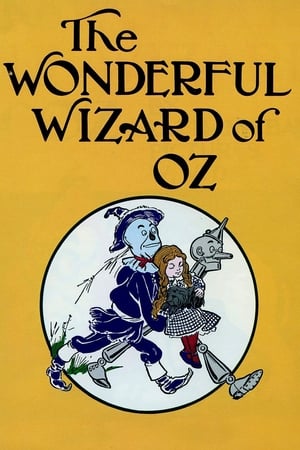
Dorothy and the Scarecrow are now in the Emerald City. They have become friendly with the Wizard, and together with the woodman, the cowardly lion, and several new creations equally delightful, they journey through Oz -- the earthquake -- and into the glass city. The Scarecrow is elated to think he is going to get his brains at last and be like other men are; the Tin-Woodman is bent upon getting a heart, and the cowardly lion pleads with the great Oz for courage. All these are granted by his Highness. Dorothy picks the princess. -- The Dangerous Mangaboos. -- Into the black pit, and out again. We then see Jim, the cab horse, and myriads of pleasant surprises that hold and fascinate.
A spiral of dreams and ages unravel as two celestial characters awaken and transmutate into a mythological being.
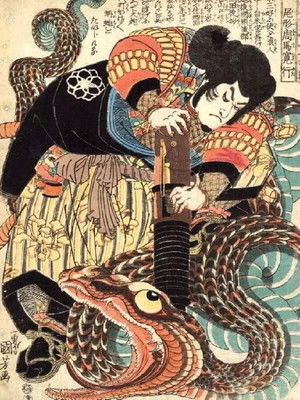
Jiraiya is some sort of super-ninja with superpowers. He can fly, he can avoid detection by turning himself into a toad, and he has some sort of ability to vanish.
An early version of the classic, based more on the 1902 stage musical than on the original novel.
Loosely inspired by H.P. Lovecraft's short story 'Beyond the Wall of Sleep', this film follows Jude Slater, a man who has recently inherited the house of an important figure in the town of Freasdal. What horrors lay in wait beneath the foundations of the home have yet to be seen.
In the ruins of a world devoured by human greed, the last man plunges into a decadent frenzy: devouring rare plants, octopus flesh, the final drops of water, and eventually blood. But nature is not silent. A mysterious girl with a white rabbit appears like a myth reborn, blurring the line between legend and reality, death and renewal.
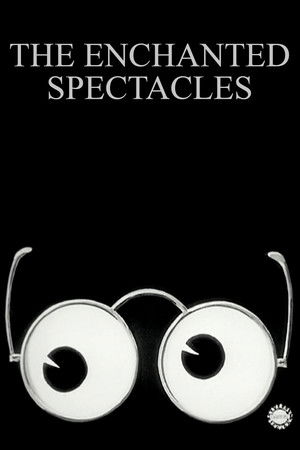
A parlor full of bon vivants pass around an enchanted pair of spectacles that “reveal the personality and pleasures of the one who wears them.”
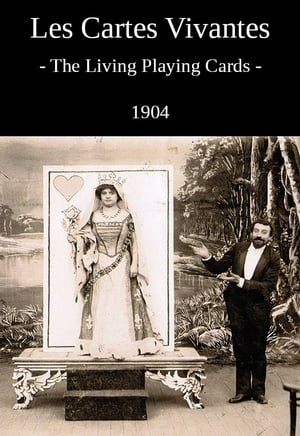
The Living Playing Cards
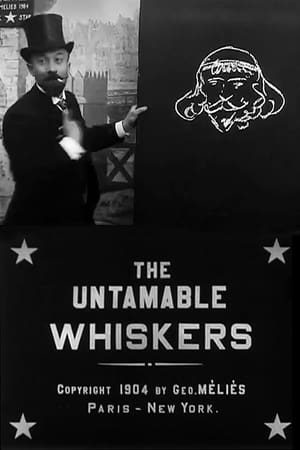
The background of this picture represents a scene along the beautiful river Seine in Paris. A gentleman enters, and taking a blackboard from the side of the picture, he draws on it a sketch of a novelist. Then, standing in the centre, he causes the living features of his sketch to appear in the place of his own, which is utterly devoid of whiskers. The change is made so mysteriously that the eye cannot notice it until one sees quite another person in the place of the first. Again another sketch is shown on the board, this one being that of a miser; then an English cockney; a comic character; a French policeman, and last of all, the grinning visage of Mephistopheles. It is almost impossible to give this film a more definite description; suffice it to say that it is something entirely new in motion pictures and is sure to please. (Méliès Catalog)
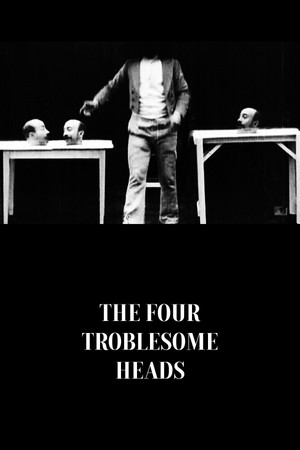
One of the greatest of black art pictures. The conjurer appears before the audience, with his head in its proper place. He then removes his head, and throwing it in the air, it appears on the table opposite another head, and both detached heads sing in unison. The conjurer then removes it a third time. You then see all three of his heads, which are exact duplicates, upon the table at one time, while the conjurer again stands before the audience with his head perfectly intact, singing in unison with the three heads upon the table. He closes the picture by bowing himself from the stage.