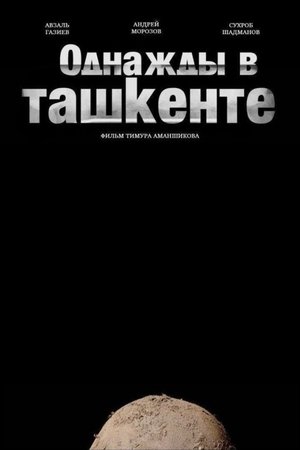
Beautifully shot in black and white, and scripted by Tarkovsky's collaborator Andrei Konchalovsky, this powerful melodrama tells the story of a young boy who undertakes the perilous journey to Uzbekistan's capital Tashkent, to earn some money for his hungry family. Filming in the periphery of the Soviet Union, in a time of relative political relaxation, director Shukhrat Abbasov actually dared to depict the poverty and famine that resulted from the Bolshevik Revolution.
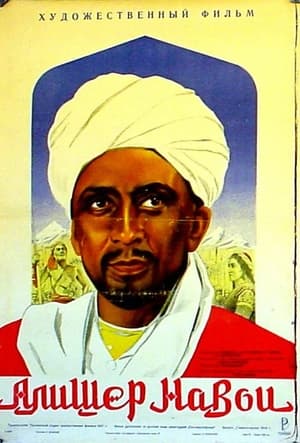
Biographical drama about one of the most famous Uzbek poets of the 15th century, Alisher Navoiy.
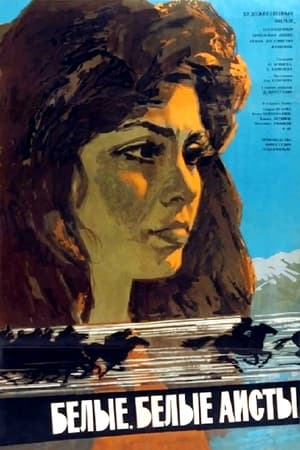
Set in the rural village of White Storks, the story tackles the taboo subject of an extramarital affair. Strong-willed Malika, married but childless, is openly consorting with another man with whom she shares a seemingly tender bond.
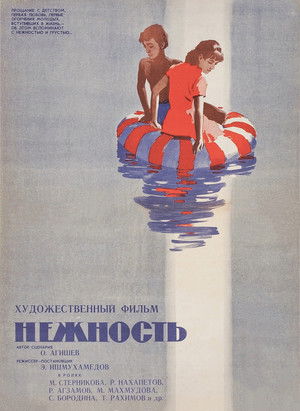
This is a story about modern youth, about how young people enters the great beautiful world of complex human relations, how, when faced with different people and phenomena, boys and girls are convinced that good and bright are affirmed in life.
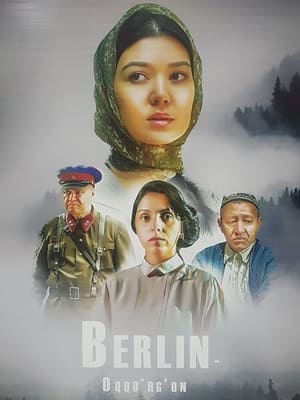
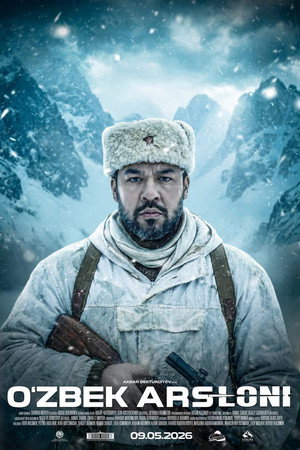
The plot of the film tells about the events of the war era, where the stories of ordinary people are intertwined. The characters were Stalin, Hitler, Churchill, Hess, Ribbentrop, Molotov and Uzbek heroes. The film shows the role of government leaders in the country's domestic and foreign policy, and how their decisions affected the fate of ordinary people.
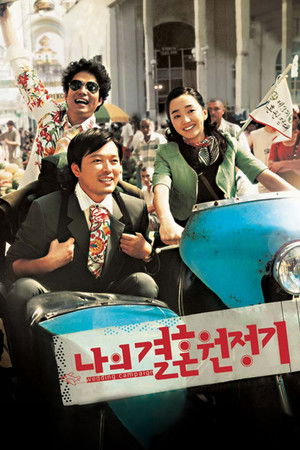
A 38-year-old single man, Hong Man-Taek is a petty farmer still living with his mother. Seeing a neighbor married to an Uzbekistan bride and frightened by the fact that his own grandson will never get married, Man-Taek's grandfather decides to send Man-tek to Uzbekistan to find a bride.
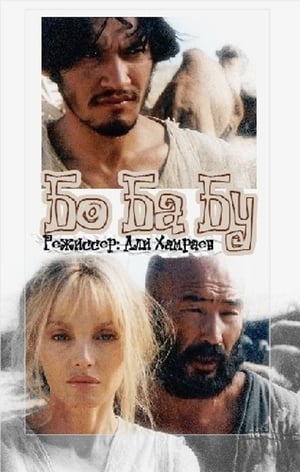
Two barbarians in the desert find a stranded white woman and regard her as their property. A strange and exotic parable that presents a tragic three-cornered relationship in a politically incorrect and ironic way.
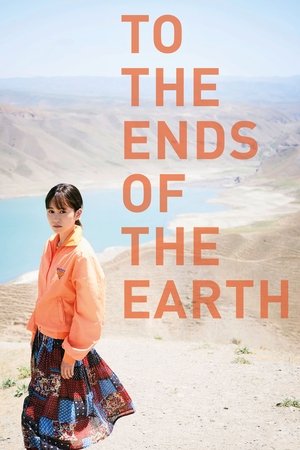
A young Japanese woman named Yoko finds her cautious and insular nature tested when she travels to Uzbekistan to shoot the latest episode of her travel variety show.
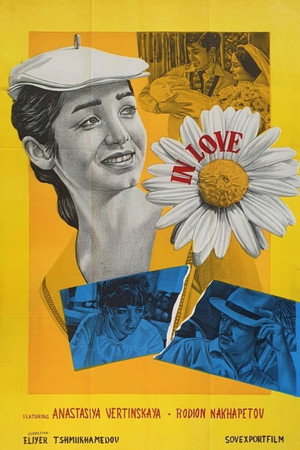
A subtle lyrical story about youth, the search for truth, the first painful experiences of love of young men from Tashkent. Rodin — a kind and whole man — finds it difficult to live with a girl who doesn't love him, and he himself saves her from the need to lie and suffer. Rustam's life is different: he's loving and talented. Thassos — a Greek by birth — returns to his homeland, where his mother and sister were found, but there flashed a junta of "grey colonels".
In Women’s Paradise, a college professor and writer is separated from his wife after committing adultery and discovers a women’s paradise where his lover, a female student, and his wife are living happily together. Could this truly be paradise or just the projection of a male fantasy?
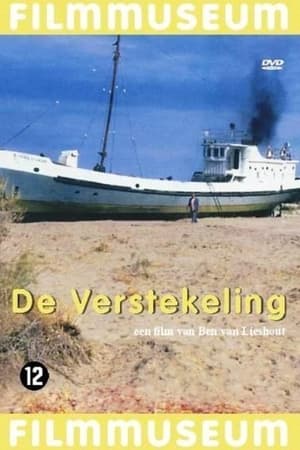
Orazbaz, who lives in Uzbek, longs to leave his tiny fishing village. He becomes a stowaway on a ship thinking that he will end up in Manhattan. Instead he ends up in Rotterdam and is taken in by a lonely woman, but he is eventually betrayed by her jealous husband.
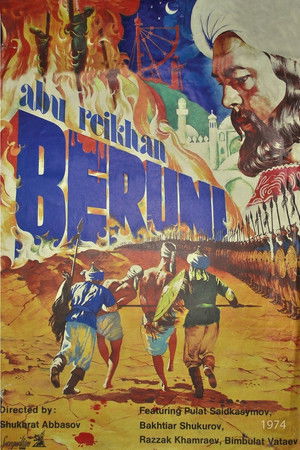
A biographical film about one of the greatest Medieval scientists and scholars, Al-Biruni.
In the early morning of September 11, 2001, a Boeing 757 aircraft belonging to Uzbekistan Airways takes off from the Uzbek capital Tashkent. This is the final flight of experienced pilot Zarif Saidazimov prior to retirement. 101-Flight is in transit through London Birmingham International Airport to John F Kennedy International Airport in New York.
Two friends travel across Uzbekistan and Kyrgyzstan on the search for Eagle Hunters.
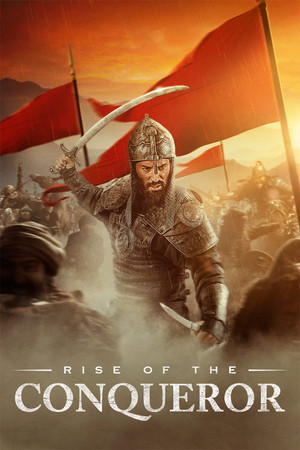
In the 14th-century, as the Silk Road crumbles and rival factions tear the land apart, fearless warrior Timur emerges from exile. Stripped of everything, he fights to unite the fractured kingdoms, using strategy and sheer will to carve an empire from chaos. Undefeated in battle and widely regarded as one of history’s greatest military leaders and tacticians, not to mention one of its most brutal, Timur would found the Timurid Empire, which ruled over modern-day Afghanistan, Iran and Central Asia.
The tragic story of the greatest soccer player the most have never heard of.
Tashkent: The End of an Era reconstructs the complex history of Tashkent by means of archive footage which has never been shown before and the testimonies of its inhabitants.
To Be Added soon
Pokser TV short-film
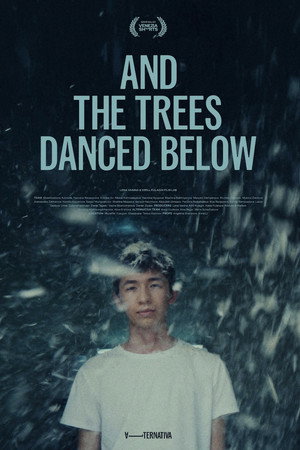
Uzbek youth confess their dreams, take flight, and negotiate the reality around them. Directed by Kirill Kulagin. In this documentary directed by Kirill Kulagin, Uzbek teenagers share their innermost dreams. And rather than talk of only fantasies, these dreams unearth the reality these youth face and how they negotiate with it. In Central Asia, talking about oneself can seem impolite. From an outsider perspective, emotions in this culture are only spoken about indirectly, lest they “air [their] dirty laundry in public.” But talking about dreams can break through this social barrier. For the film, Kulagin ran filmmaking labs with Uzbek youth to explore their real stories and real feelings surrounding dreams. These dreams served as jumping-off points to discuss deeper fears and desires, which turned into metaphors and a visual language based on how they navigated the boundaries of intimacy.