The Scarlet Macaw, a vibrant symbol of the Mexican rainforest, is disappearing from the ecosystem. Conservation and Recovery of the Scarlet Macaw in Mexico explores the tireless efforts of Natura y Ecosistemas Mexicanos (NEM) to save the last remaining viable population of these iconic birds. Facing the constant threat of poaching, NEM works diligently to rescue hatchlings from vulnerable nests before they are looted. By forging partnerships with local communities, they have developed a network of dedicated individuals to locate and protect macaw nests. This compelling film showcases the resilience of both people and wildlife in a united fight to preserve a species that has long symbolized the beauty and diversity of the region's natural heritage.
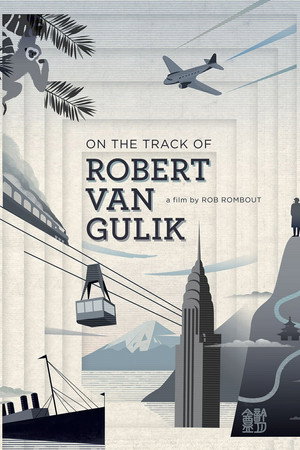
Robert van Gulik (1910–1967) served as a diplomat, collected Chinese lutes and invented Judge Dee, yet his own country barely remembers him. Rob Rombout travels from the Netherlands to Indonesia, Japan, the United States and China, through diaries, archives and the people van Gulik still haunts. Somewhere between biography and detective story, the man and his hero merge.
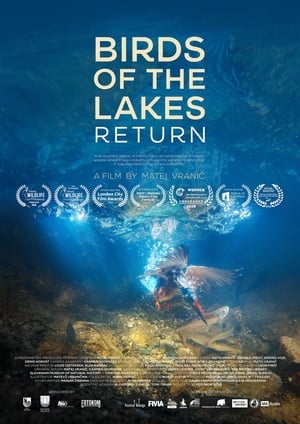
An excellent display of how humans can rehabilitate and restore an area where a heavy industry polluted the water so severely that it was unsuitable to sustain any kind of life. A a film showing how birds returned to an environment once devastated by industry. The lakes around the northern Slovenian town of Velenje, placed in the Central Europe, are geographic center of the film. They emerged as the land above the lignite mines subsided and the depressions were filled with water. The mines started operating at the end of the 19th century. In the mid 20th century a power plant was built that caused a severe pollution of the lake waters to the extent of the lakes not being fit for any kind of life. As a consequence many birds moved from these parts. After a long ecological restoration that started in the mid 1980s, life returned to the water. Gradually the birds returned as well, including some there were previously never observed in this area.
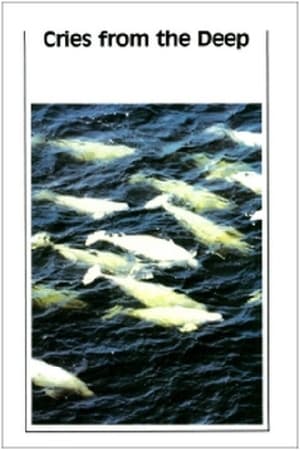
This documentary records the journey undertaken by Jacques Cousteau, his 24-member team, and an NFB film crew to explore the Grand Banks of Newfoundland, one of the world's richest fishing areas. They discover shipwrecks, film icebergs and observe beluga whales, humpback whales and harp seals. The film also includes a fascinating sequence showing Calypso divers freeing a calf whale entrapped in a fishing net.
A Good Wolf is a feature-length documentary film examining a 40-year conflict over a single tract of land adjacent to Denali National Park—a volatile struggle between state and federal authorities, fur trappers and wildlife advocates, and competing human interests on public lands. Armed with thorough data, biologists and activists bring a new proposal to state authorities, hoping to regain protections for wolves near the park boundary. But local trappers are adamantly opposed. Hanging in the balance are some of America’s most iconic landscapes and wildlife -- including the remarkable Wolf 1202.
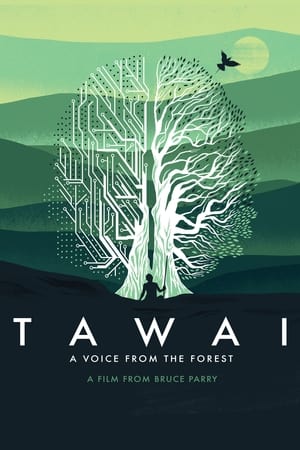
Explorer Bruce Parry visits nomadic tribes in Borneo and the Amazon in hope to better understand humanity's changing relationship with the world around us.
In the vanishing lowland rainforests of Borneo, research is underway to uncover and understand the unique cultural behaviors in wild orangutans. There, photographer Tim Laman, researcher Cheryl Knott, and young explorer Robert Suro shed new light on the similarities between ourselves and our ancient ancestors, before it’s too late.
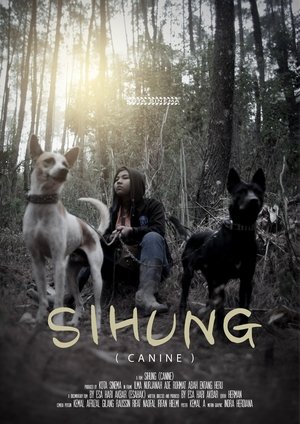
A family in rural area of West Java, Indonesia enjoys their time with 'Ngadu Bagong', a sundanese traditional game where dogs put to fight against a wild boar in a single event. Ngadu Bagong has always been some sort of animal abuse but it's been in the tradition for a long time. Ade Rohmat has been in the game for a long time; a hobby that he now passes on to his daughter, Ilma Nurjanah. The potentially controversial Ngadu Bagong has always brought intense emotion, prestige, and fortune upon its practicioners.
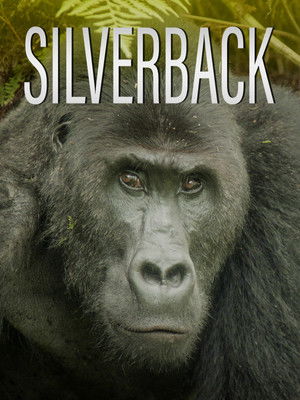
Feature-length documentary following award-winning wildlife cameraman Vianet Djenguet as he documents a gruelling but vital mission to ‘habituate’ a notoriously protective 450lb silverback, in a last-ditch effort to save the critically endangered eastern lowland gorillas from extinction.
The sea nomads of Indonesia believe that with every newborn there is a twin brother in the form of an octopus. Rituals are carried out to appease the brother in the water and prevent misfortunes. When dishonor occurs, Jakarta is portrayed as the apocalyptic revenge of the brother octopus.
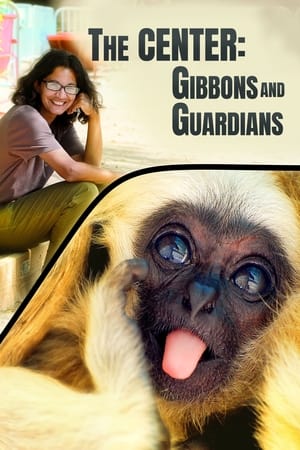
A love triangle that incites jealous rage. An out-of-control wildfire that threatens lives and livelihoods. A sudden tragedy that upends a close-knit community. You might not expect such intense dramas at a small conservation center in the California desert, yet that’s exactly what you’ll get in the documentary, The Center: Gibbons and Guardians, which includes interview with Dr. Jane Goodall, DBE, founder of the Jane Goodall Institute and UN Messenger of Peace. Watch it to get immersed in the sometimes funny, sometimes startling story of the Gibbon Conservation Center. There, a determined group of people dedicate their lives to the conservation, study, and care of these endangered apes — and in the process, find courage, laughter, and even romance. The film will keep you riveted as the staff face one challenge after another. The lives of the apes intertwine with those who care for them to create a rich symphony that will make you feel how surprising and passionate life can be.
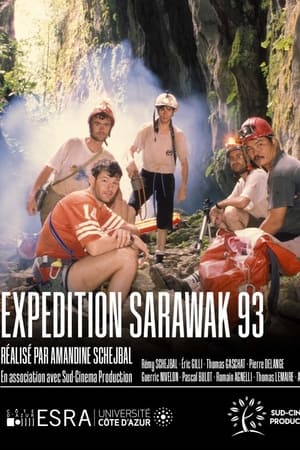
In 1996, Rémy Schejbal, a seasoned spelunker, assembled a small team and headed to Malaysia. His goal: to photograph the largest cave in the world for the first time.
Nóouhàh-Toka’na, known as swift fox in English, once roamed the North American Great Plains from Canada to Texas. Like bison, pronghorn and other plains animals, Nóouhàh-Toka’na held cultural significance for the Native Americans who lived alongside them. But predator control programs in the mid-1900s reduced the foxes to just 10 percent of their native range. At the Fort Belknap Indian Community in Montana, members of the Aaniiih and Nakoda tribes are working with the Smithsonian’s National Zoo and Conservation Biology Institute and other conservation partners to restore biodiversity and return Nóouhàh-Toka’na to the land.
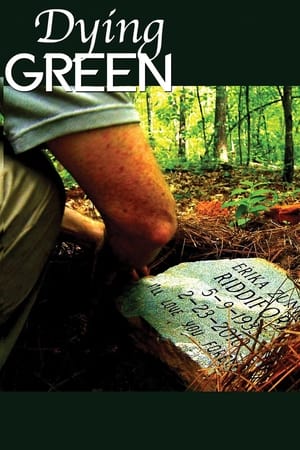
A doctor's efforts to live a green life near the Appalachian Mountains lead to the development of a radical idea to use green burials to conserve one million acres of land and to create wildlife reserves.
El peligro de lo invisible
El Huemul de DiCaprio
This documentary dismantles the black-and-white social stigma that has long been attached to the punk community and often shaped by narrow misperceptions that equate it with deviance. Through an empathetic approach, the documentary “Screams on the Streets” portrays the daily lives of punk groups, aiming to create space for public reflection so that identity is not used as a basis for discrimination against others. The message we seek to convey is simple yet deeply significant: remember that human rights are universal and cannot be limited by class, race, ethnicity, tribe, culture, appearance, or any other distinction. Our hope is to open new perspectives and highlight that human rights are not reserved for a select few, but belong to all people on this planet. Punk is not a crime.
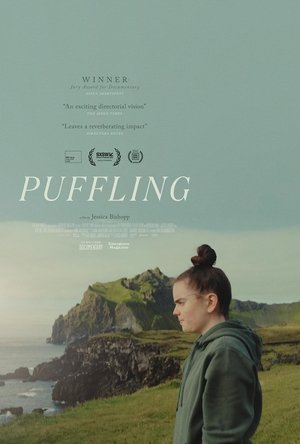
On a remote Icelandic island, teenagers Birta and Selma take it upon themselves to counteract society's harmful impact on nature, exchanging night-time parties for nocturnal puffin rescues in a coming-of-age story for young adults and puffins alike.
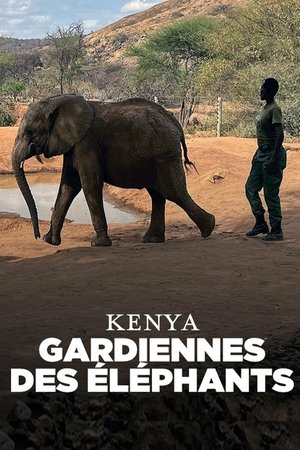
In the Namunyak Wildlife Conservancy in Kenya drought is a menace to both humans and animals. This documentary follows two Elephant Guardians in their tireless work to protect this endangered species.
Road movie-style documentary about the Great Post Road (De Groote Postweg/Jalan Raya Pos). Pramoedya Ananta Toer (1925), one of the most important Indonesian authors of recent decades, wrote an essay about the Great Post Road at the request of director Bernie IJdis. This thousand-kilometer road across Java was built at the beginning of the last century under the leadership of the Dutchman Daendels and cost the lives of thousands of Indonesian forced laborers. Because Toer, as a former political prisoner, is restricted in his freedom of movement, the filmmakers act as his eyes and ears during a trip along the Post Road. During the journey, parallels between Indonesia in the past and present slowly unfold. In addition, as the film progresses, the grimness of Toer's situation and the situation in his country becomes palpable.