180° Doku - Hope Dealer
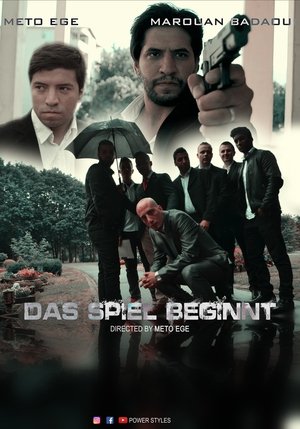
Das Spiel Beginnt
Die Seelenwandler - Das geheime Schicksal
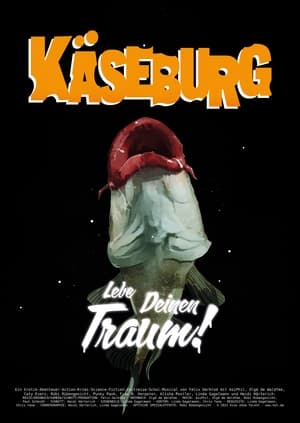
Käseburg
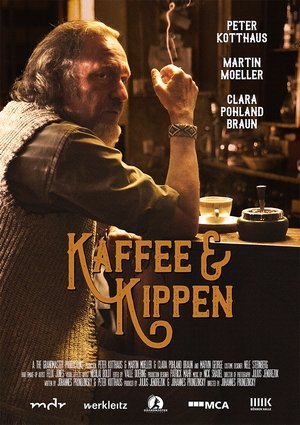
Kaffee & Kippen
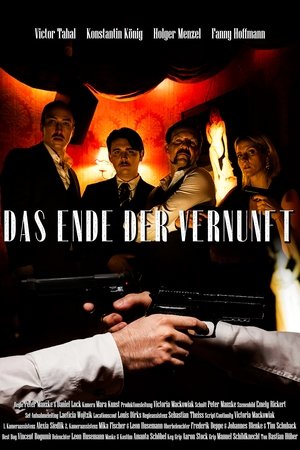
Das Ende der Vernunft
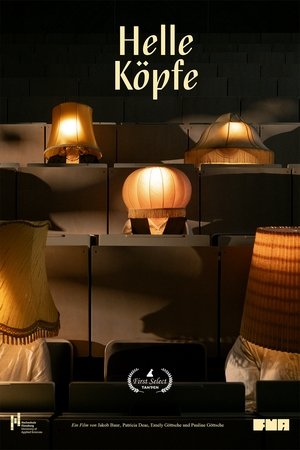
Helle Köpfe
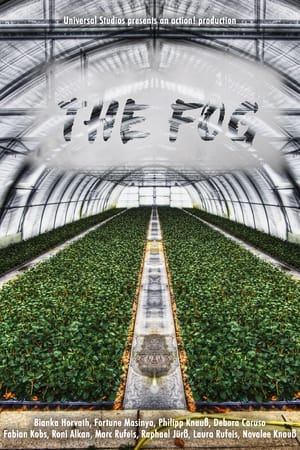
The Fog
Die Stadt war wie ein Spielplatz
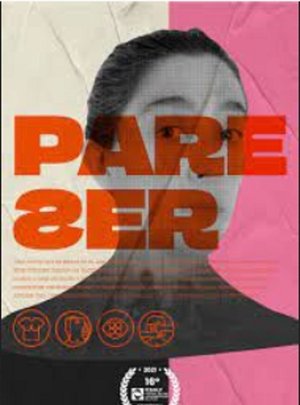
A young pair from Stuttgart fly to Shanghai to hop aboard the textile business of his father while she prepares for the birth of their son. A story about the ever more common movement of Germans into the East for professional gain.
The humorous portrait of a female artist. The film follows the career of 24-year-old Janine F. who in 2002 caused a commotion from the rooftop of a Berlin building.
A documentary about the refugee camp located on the South Sudan/Uganda border.
Celebrating the career of "Big Daddy Cool" as the cameras follow Kevin Nash during his 2015 WWE Hall of Fame induction; Nash reflects on his career in both WWE and WCW, his relationship with Shawn Michaels and the origins of The Kliq.
Conducted from interviews with personalities who lived with Leila Diniz (1945-1972), the documentary is a record of an era and, above all, it rescues the participation in Brazilian culture of the actress who opened the way for the sexual revolution during the dark years of the dictatorship.
Ants Jõgi (1892-1983) is a dignified gentleman whose main profession in life has been acting. He also has a spirit of an artist and an artisan. The 85-year-old man is lonely and has to go to a retirement home. Director Leida Laius' documentary tells a story about the life and work of the old actor as well as contemplates on the true values of life, old man's connections to the present and the past. The thoughts of the wise old man are enchanting with their simplicity and warmth.
In 2000 Alejo Moguillansky, Diego H. Flores and Fermín Villanueva filmed for three days aboard the ARA San Juan submarine. Twenty years later, Alejo Moguillansky edited that old material in this travel chronicle called The Submarine Night, narrated by Luciana Acuña and himself, written together with Mariano Llinás.
Starting with a long and lyrical overture, evoking the origins of the Olympic Games in ancient Greece, Riefenstahl covers twenty-one athletic events in the first half of this two-part love letter to the human body and spirit, culminating with the marathon, where Jesse Owens became the first track and field athlete to win four gold medals in a single Olympics.
Part two of Leni Riefenstahl's monumental examination of the 1938 Olympic Games, the cameras leave the main stadium and venture into the many halls and fields deployed for such sports as fencing, polo, cycling, and the modern pentathlon, which was won by American Glenn Morris.
Working men and women leave through the main gate of the Lumière factory in Lyon, France. Filmed on 22 March 1895, it is often referred to as the first real motion picture ever made, although Louis Le Prince's 1888 Roundhay Garden Scene pre-dated it by seven years. Three separate versions of this film exist, which differ from one another in numerous ways. The first version features a carriage drawn by one horse, while in the second version the carriage is drawn by two horses, and there is no carriage at all in the third version. The clothing style is also different between the three versions, demonstrating the different seasons in which each was filmed. This film was made in the 35 mm format with an aspect ratio of 1.33:1, and at a speed of 16 frames per second. At that rate, the 17 meters of film length provided a duration of 46 seconds, holding a total of 800 frames.
Award-winning filmmakers Jean-Pierre and Luc Dardenne profess their love for the classic "Modern Times." The directors expose their views on the many aspects of the film, Chaplin's brilliancy and they also provide interesting details about the making of Chaplin's masterpiece.