Civil Rights Movement activist, TSSAA Hall of Fame Basketball Coach, swim coach, teacher, musical director, father, grandfather, and friend to many, Coach Sylvester Ford Sr. was known by many as “Big Time.” The nickname was given to him as a kid for his height, but “Big Time” showed time and time again why his nickname was about way more than his looks– it’s also because of how he showed up big for his community. Hometown Feature Audience Award winner at Indie Memphis 2024, Big Time chronicles the life of legendary Memphis basketball coach, Sylvester Ford Sr., while inspiring us all to live “big time” lives along the way.
Louder Than Guns is a journey through rural, urban, and suburban America that humanizes all sides of this country’s polarized gun debate through the power of music, civil discourse, and unexpected common ground. The film tackles the extremely complicated and sensitive subject of gun violence which has become politically divisive in an open and all encompassing approach, inviting people from all aspects of the country to join in a conversation and speak their peace.
The explosive documentary from Black Channel Films daring to ask the question "Is it still just racism or is it a race war?" NOW IS THE TIME TO ASK IS IT STILL JUST "RACISM" OR IS IT A RACE WAR? RACE WAR IS THE FIRST DOCUMENTARY IN HISTORY THAT EXAMINES EVERY LEVEL OF AMERICAN SOCIETY TO EXPLORE THE MOST EXPLOSIVE ISSUE FACING AMERICA ALL OF OUR YESTERDAYS . . . AND TOMORROW.
This documentary captures the sounds and images of a nearly forgotten era in film history when African American filmmakers and studios created “race movies” exclusively for black audiences. The best of these films attempted to counter the demeaning stereotypes of black Americans prevalent in the popular culture of the day. About 500 films were produced, yet only about 100 still exist. Filmmaking pioneers like Oscar Micheaux, the Noble brothers, and Spencer Williams, Jr. left a lasting influence on black filmmakers, and inspired generations of audiences who finally saw their own lives reflected on the silver screen.
'Country: Portraits of an American Sound' is a documentary film that explores the history and culture of country music through the lens of photography, which has portrayed the ideals, lifestyle and personalities of country music artists for over 80 years. The film features imagery and commentary from Grand Ole Opry photographer Les Leverett, the late celebrity photographer Leigh Wiener, documentary photographer Henry Horenstein, iconic music photographers Henry Diltz and Raeanne Rubenstein, and contemporary photographers David McClister and Michael Wilson. Over a dozen country music artists also appear, including Rosanne Cash, Roy Clark, Merle Haggard, Lyle Lovett, Charley Pride, LeAnn Rimes, Kenny Rogers, Tanya Tucker, The Band Perry and Keith Urban. The film weaves iconic images, historical footage and over 25 country music hits into a dynamic look at this uniquely American sound.
The history of warfare as it relates to global Black society, broken down into 7 chapters that examines the ways the system of racism wages warfare from a historical, psychological, sexual, biological, health, educational, and military perspective.
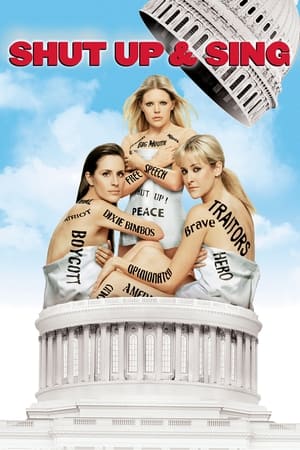
Shut Up and Sing is a documentary about the country band from Texas called the Dixie Chicks and how one tiny comment against President Bush dropped their number one hit off the charts and caused fans to hate them, destroy their CD’s, and protest at their concerts. A film about freedom of speech gone out of control and the three girls lives that were forever changed by a small anti-Bush comment
Follow the offstage, unlikely romance of the king of country, Blake Shelton, and pop princess, Gwen Stefani. Both stars braved their share of challenges on the way to writing their own love song.
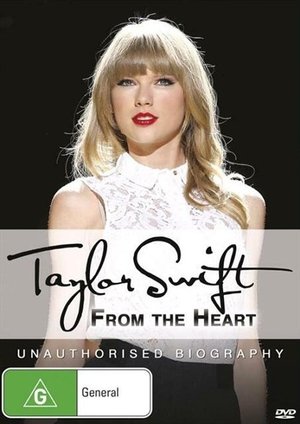
After having released her fourth album "Red" in October 2012, Taylor Alison Swift continues to tear up the charts. In this film we learn how Swift becomes one of America's biggest Country and Pop music artists.
In March 2005, Neil Young was diagnosed with a brain aneurysm. Four days before he was scheduled for a lifesaving operation, he headed to Nashville, where he wrote and recorded the country folk album Prairie Wind with old friends and family members. After the successful operation and recovery period, he returned to Nashville that August to play at the famed Ryman Auditorium, once again gathering together friends and family for this special performance.
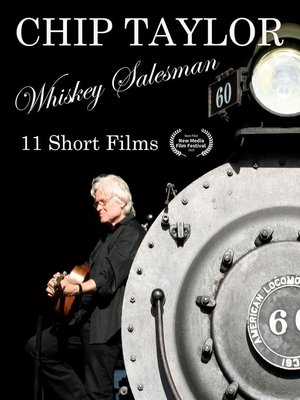
Songwriters Hall of Fame inductee, Chip Taylor, is known for his spontaneous writing style, exemplified by his hits Wild Thing, Angel of The Morning & his current hit, F**K All The Perfect People (from Netflix smash Sex Education).
A look at the Black revolution in 1970s cinema, from genre films to social realism, from the making of new superstars to the craft of rising auteurs.
The Black Contribution – Literature and Theater 1978 is a rare documentary highlighting the voices and cultural impact of African American writers and performers during the civil rights era. Introduced by NAACP leader Benjamin Hooks and narrated by Roscoe Lee Brown, the film weaves together dramatic readings, theatrical excerpts, and candid urban street footage. Margaret Walker’s poem For My People is performed alongside scenes of daily Black life in New York City — children playing, families on stoops, open fire hydrants, and the realities of poverty in 1970s neighborhoods. James Baldwin appears in interview footage, while signs for his play The Amen Corner and stage excerpts from Lorraine Hansberry’s A Raisin in the Sun underscore the powerful presence of Black voices in American theater. With rare shots of Harlem life, literature, and performance, this film documents the enduring contributions of African American artists to U.S. culture and history.
The story of Jack Johnson, the first African American Heavyweight boxing champion.
Dolly Parton leads a moving, musical journey in this documentary that details the people and places who have helped shape her iconic career.
Dear Rodeo: The Cody Johnson Story, a brand-new cinematic feature-length documentary, is the much bigger picture, recounting Johnson’s real-life journey from the dusty rodeo arenas of rural Texas to some of the biggest musical stages in America. Every emotion Johnson felt over the past 20 years – whether he was standing in the back of the chute at the rodeo or singing about it in front of 75,000 fans – is captured vividly in this big screen experience, with all the highs and lows that come from the dreams you cling to and the dreams you ultimately let go of. Featuring interviews with Reba McEntire, Taya Kyle (the widow of “American Sniper” Chris Kyle), and more, this evocative and celebratory film is a love letter to everyone who has had to abandon a dream in order to find true purpose.
Stompin' Tom performs live at the Horseshoe Tavern on Queen St. in Toronto.
The star-studded special celebrates the trailblazing music series' 40th anniversary. With guest hosts Jeff Bridges, Matthew McConaughey and Sheryl Crow, the two-hour broadcast features memorable moments from the show's remarkable run, anchored by some of the brightest stars in the show's history returning to the AUSTIN CITY LIMITS stage for incredible performances. Highlights include legends Willie Nelson, Bonnie Raitt, Foo Fighters, Emmylou Harris, Kris Kristofferson, Gary Clark Jr., Lyle Lovett, Alabama Shakes, Buddy Guy and more performing in celebration of AUSTIN CITY LIMITS' legacy as an American music institution over the last four decades.
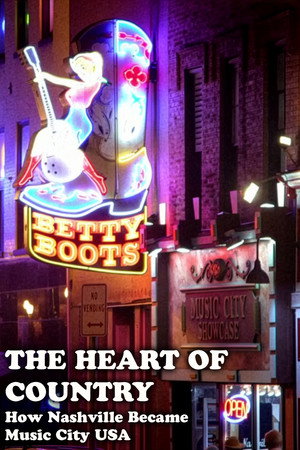
'Whispering' Bob Harris journeys to America's country music capital to reveal why Nashville became Music City USA. From the beginnings of the Grand Ole Opry on commercial radio, through the threatening onset of rock 'n' roll in the 1950s, right up to the modern mainstream hits of Music Row, this is the story of how music has shaped Nashville and why today it's a place of pilgrimage for musicians from all over the world.
A short film entitled "A Letter To Claudette Colvin", written and directed by Victoria Wilson bringing awareness to Colvin's involvement in the Montgomery Bus Boycott which ignited due to her refusal on March 2, 1955.