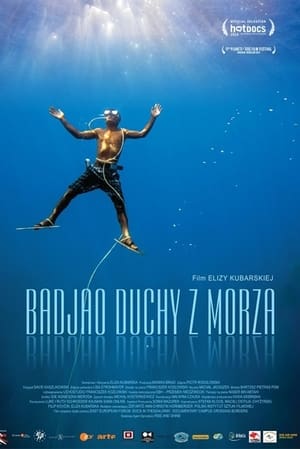
In the crystal clear waters off the coast of Borneo, a unique way of life threatens to disappear forever. For generations, the Badjao were oceanic nomads, living in harmony with the sea as fishermen and free divers. Nowadays, however, only a few Badjao remain, like Alexan, who still remembers the old ways. He hopes to pass his knowledge along to his ten-year-old nephew Sari, but time and opportunities are running out. Sari loves the sea, but it can only offer a hard life of subsistence fishing, while the nearby tourist resort sings a siren song of easy money.
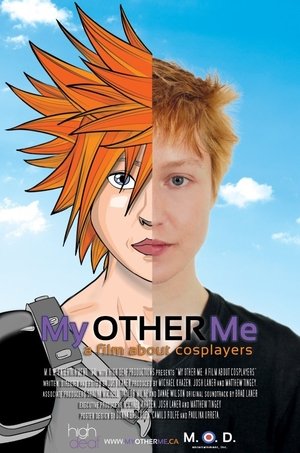
An eye-opening look at the 'costume play' subculture known as cosplay. "My Other Me" chronicles a year in the life of three different cosplayers, following the subjects as they travel the convention circuit, balancing their home lives with their cosplay alter egos, revealing the profound effects the subculture has played in their lives.
An experimental documentary about the intertwining of bodies and lives in a cattle ranch in Les Avins, Belgium, with cattle of the breed Blanc Bleu Belge, known for its fascinating musculature.
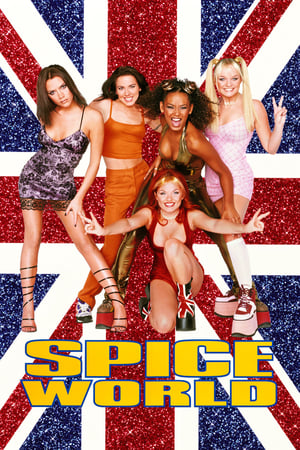
World-famous pop group the Spice Girls zip around London in their luxurious double-decker tour bus having various adventures and performing for their fans.
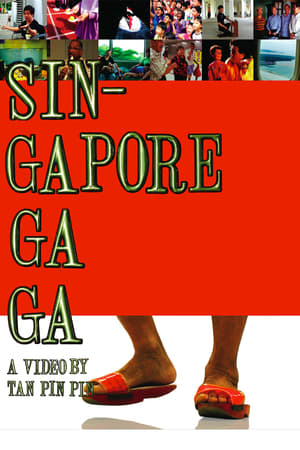
Singapore GaGa is a 55-minute paean to the quirkiness of the Singaporean aural landscape. It reveals Singapore's past and present with a delight and humour that makes it a necessary film for all Singaporeans. We hear buskers, street vendors, school cheerleaders sing hymns to themselves and to their communities. From these vocabularies (including Arabic, Latin, Hainanese), a sense of what it might mean to be a modern Singaporean emerges. This is Singapore's first documentary to have a cinema release. With English and Chinese subtitles.
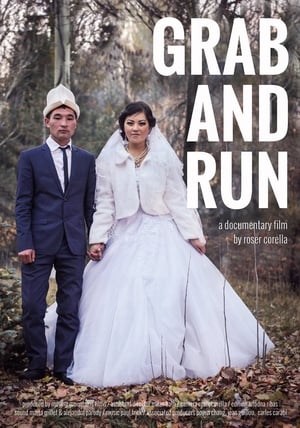
After the Kyrgyzstan Independence in 1991, the ancient practice of Ala-Kachuu ("grab and run") returned. Some women escape the men that kidnap them, but many remain married because of tradition and the fear of scandal.
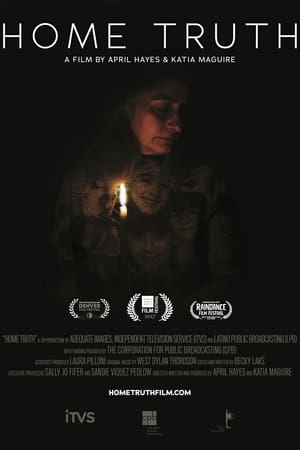
In 1999, Colorado mother Jessica Gonzales experienced every parent’s worst nightmare when her three young daughters were killed after being abducted by their father in violation of a domestic violence restraining order. Devastated, Jessica sued her local police department for failing to adequately enforce her domestic violence restraining order despite her repeated calls for help that night. Determined to make sure her daughters did not die in vain, Jessica pursues her case to the US Supreme Court and an international human rights tribunal, seeking to strengthen legal rights for domestic violence victims. Meanwhile, her relationship with her one surviving child, her son Jessie, suffers, as he struggles with the tragedy in his own way. Shot over the course of nine years, Home Truth chronicles one family’s incredible pursuit of justice, shedding light on how our society responds to domestic violence and how the trauma from domestic violence can linger through generations.
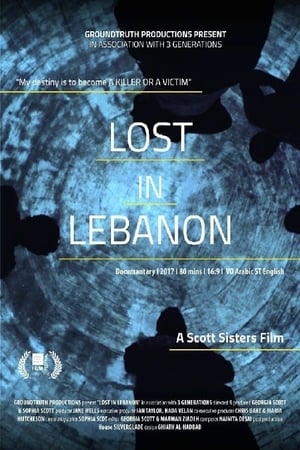
As the Syrian war continues to leave entire generations without education, health care, or a state, Lost in Lebanon closely follows four Syrians during their relocation process. The resilience of this Syrian community, which currently makes up one fifth of the population in Lebanon, is astoundingly clear as its members work hard to collaborate, share resources, and advocate for themselves in a new land. With the Syrian conflict continuing to push across borders, lives are becoming increasingly desperate due to the devastating consequences of new visa laws that the Lebanese government has implemented, leaving families at risk of arrest, detention, and deportation. Despite these obstacles, the film encourages us to look beyond the staggering statistics of displaced refugees and focus on the individuals themselves.
Raised in the small all-Black Florida town of Eatonville, Zora Neale Hurston studied at Howard University before arriving in New York in 1925. She would soon become a key figure of the Harlem Renaissance, best remembered for her novel, Their Eyes Were Watching God. But even as she gained renown in the Harlem literary circles, Hurston was also discovering anthropology at Barnard College with the renowned Franz Boas. She would make several trips to the American South and the Caribbean, documenting the lives of rural Black people and collecting their stories. She studied her own people, an unusual practice at the time, and during her lifetime became known as the foremost authority on Black folklore.
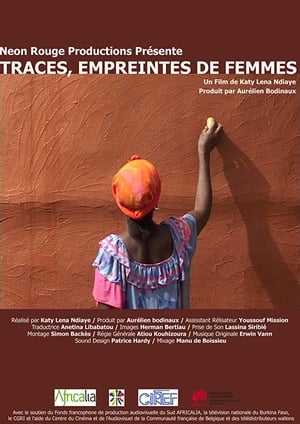
« Traces, women's imprints » is a film that ventures to the discovery of three grandmothers kassenas (Burkina Faso,) their granddaughter, and the exclusively feminine art of this region's mural paintings. Between these women's portraits and a traditional art form, « Traces » is a painting on paintings that reflects upon transmission, education and memory in the context of a world in mutation.
Crowdfunded documentary on the life and career of Japanese idol Tsukihi.
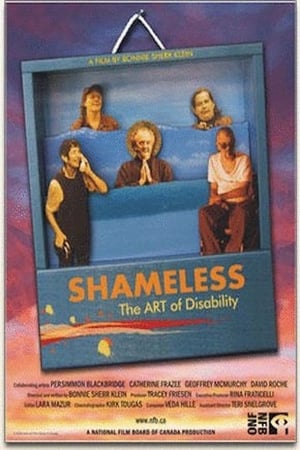
Art, activism and disability are the starting point for what unfolds as a funny and intimate portrait of five surprising individuals. Director Bonnie Sherr Klein (Not a Love Story, and Speaking Our Peace) has been a pioneer of women's cinema and an inspiration to a generation of filmmakers around the world. SHAMELESS: the ART of Disability marks Klein's return to a career interrupted by a catastrophic stroke in 1987. Always the activist, she now turns the lens on the world of disability culture, and ultimately, the transformative power of art.
We all know Curious George. But what about his creators, Hans and Margret Rey? From fleeing Nazi Germany on handmade bicycles to encounters with exotic animals in Brazil, the Reys lived lives of adventure that are reflected in the pages on one of the most treasured children’s book series of all time.
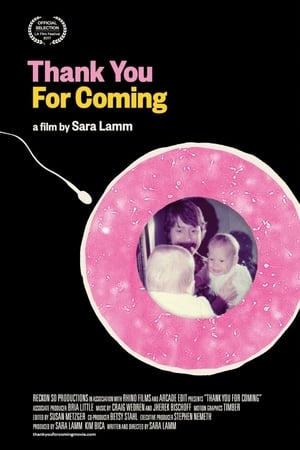
At age 29, documentary filmmaker Sara Lamm discovered that she was conceived via sperm donor. Using her skills as an investigator she decides to dig ever deeper to uncover where half of her DNA comes from.
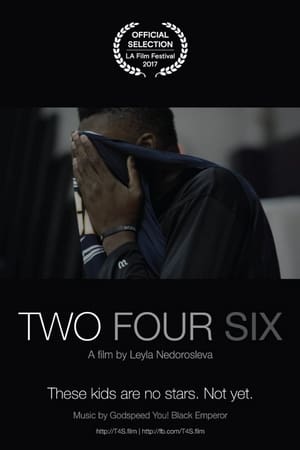
Set mainly in present day Dallas, Texas and Port-au-Prince, Haiti, this film features three main characters at three different stages of the same process. Supported by a nonprofit, these extremely tall teenagers come to the United States from Haiti using basketball as means to get an education and help their own country change.
They're clean, educated, articulate and rarely receive public assistance. But following a divorce, job loss or a long illness, a growing number of middle-class women are forced to live out of their cars. Directed by Michèle Ohayon (Colors Straight Up) and narrated by Jodie Foster, It Was a Wonderful Life chronicles the hardships and triumphs of six "hidden homeless" women as they struggle to survive, one day at a time.
Amateur porn creator Dan Leal searches for commitment, meaning and intimacy in spite of his industry and himself.
Margaret Tait documents her house, studio and garden in Buttquoy, Orkney as the seasons pass. She had lived there from the age of seven and often returned. At the time of filming, the house was about to be taken back by the council - this film is an effective 'goodbye'. Margaret Tait said it 'was meant to define a place, or the feeling of being in one place, with the sense this gives one, not of restriction but of the infinite variations available.'
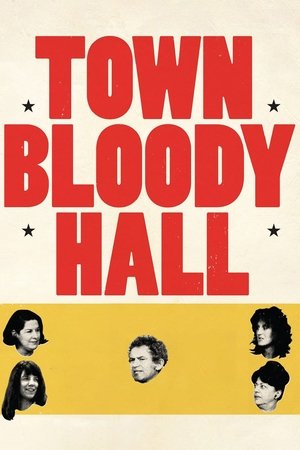
On the evening of April 30, 1971, a standing room only audience of local literati and feminists packed New York City’s Town Hall to watch Norman Mailer, who had just written “The Prisoner of Sex,” grapple with a panel of passionate feminists. The subject was Women’s Liberation, an issue on which Mailer seemed like the devil’s own advocate.
Two actresses take us through a series of 'raps' and sketches about what it means to be beautiful and black.