Shows the adaptations of several birds which enable them to obtain food, fly, swim, and live efficiently in certain habitats. Examines the differences in bills adapted for spearing fish, breaking seeds, tearing prey, or chipping wood. Demonstrates the various toe arrangements adapted by perching, climbing, ground, swimming, and wading birds.
Deutschlands wilde Vögel
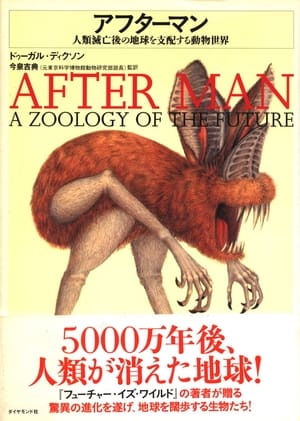
A stop-motion adaptation of the 1981 novel by geologist Dougal Dixon of the same name, which explores the speculative paths of evolution of modern animals into the far future.
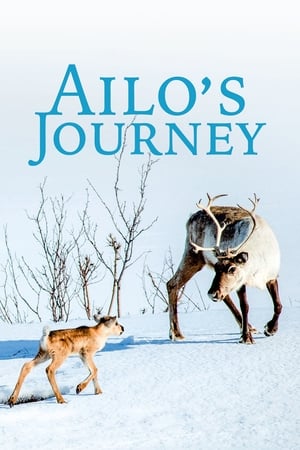
Narrated by Golden Globe winner, Donald Sutherland, this is the incredible story of Ailo, the little reindeer. This uplifting tale follows the journey of baby Ailo as he navigates his first year of life in the snowy landscapes of a picturesque Lapland. Frail and vulnerable, Ailo must learn to walk, run, leap and hide to ensure he survives the long, treacherous journey with the herd. Ailo’s Journey is an inspirational story, in which a bleak wilderness is warmed by a mother’s endless love as she watches over Ailo in his incredible adventures with other creatures of the Arctic.
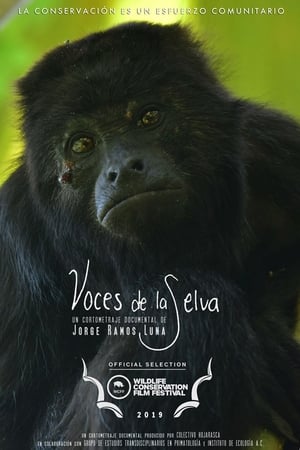
A group of conservationists take on the task of revitalizing the Balancán, Tabasco, research station and protect the howler monkey.
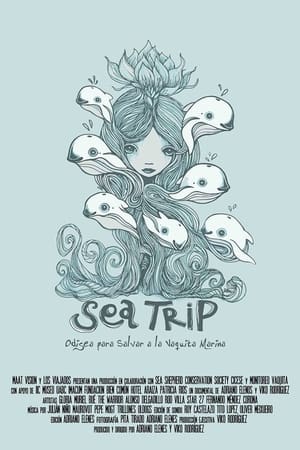
The imminent extinction of the vaquita porpoise and the totoaba, two species endemic to Baja California and sought after by the mafia for their swim bladders, which are highly prized in the East; victims of illegal fishing nets and in danger of extinction.
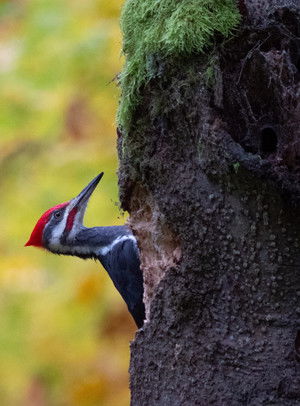
A very short story about nature, wildlife and woodpeckers
A poetic journey through the inner world of a grieving filmmaker who tries to find solace in talking to her ghost. Different stages of grief are visually linked to seasonal changes in nature. The filmmaker finds reflections of her mindscape in the surrounding scenery and wildlife.
Biologist Patrick Aryee explores the fascinating secrets behind what makes small animals successful, from a little lemur to a tiny armadillo.
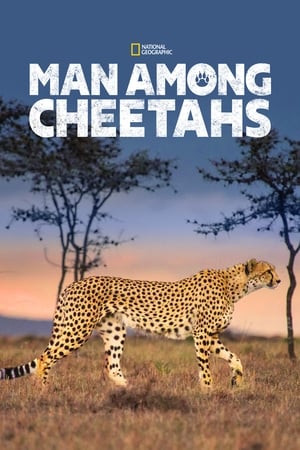
A wildlife filmmaker tries to keep up with a Cheetah mom determined to keep her cubs alive.
India - unique in its diversity and breathtakingly beautiful. The subcontinent is characterized by scenic, cultural and ethnic diversity. After China, India is the second most populous country in the world. Despite growing space needs, there are efforts to preserve the wilderness through nature reserves and protected areas. So India still provides habitat for rare species such as the Bengal tiger or the Indian elephant. The 5-part series "India's wild beauty" leads to the most spectacular and beautiful regions and their inhabitants. The complete series in five parts: 1 The Thar Desert 2 In the jungle, the Ghats 3 Life on the holy river 4 The Himalayas 5 In the land of Naga
Volavky na Velkém Tisém
This experimental nature documentary by Minna Rainio and Mark Roberts depicts climate change and the wave of extinction from the point of view of our near future. Actually, it depicts the age we live in now, or rather its fateful consequences.
Výři
A genocide survivor transcends overwhelming odds to become a master chimpanzee linguist
The Living Sea celebrates the beauty and power of the ocean as it explores our relationship with this complex and fragile environment. Using beautiful images of unspoiled healthy waters, The Living Sea offers hope for recovery engendered by productive scientific efforts. Oceanographers studying humpback whales, jellyfish, and deep-sea life show us that the more we understand the ocean and its inhabitants, the more we will know how to protect them. The film also highlights the Central Pacific islands of Palau, one of the most spectacular underwater habitats in the world, to show the beauty and potential of a healthy ocean.
In every leaf, the infinite unfolding. In every creature, your higher self looking back.
Some champion exhibits from the National Cat Club Show and the Combined Bird and Aquaria Show, described by W. Cox-Ife, F. Hopkins, and L.C. Mandeville.
Why do goshawks, deer and wild boars have spots and stripes when they're younger? Observe firsthand how animals use body markings to survive.
From 1910-1972, Arkansas State law mandated that all victims of Tuberculosis (TB) be isolated in the State Sanatorium in Booneville, Arkansas. Some of them returned home free of their symptoms from Sanatorium Hill. Others died there, either of the disease or of the gruesome operations prescribed by the doctors. This documentary tells the story of patients who survived these morbid treatments, recovered from the disease of TB but unable to forget the pain, suffering and despair.