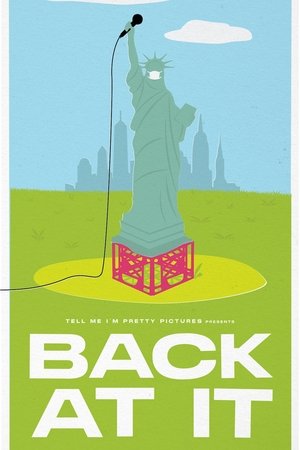
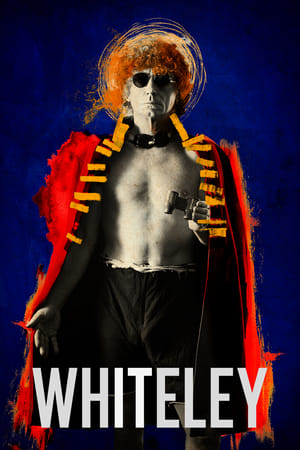
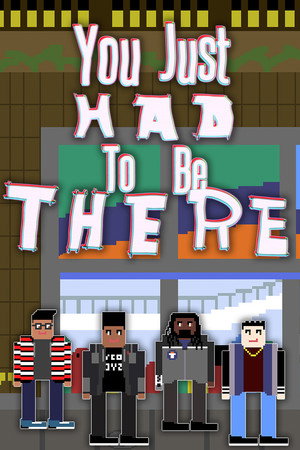
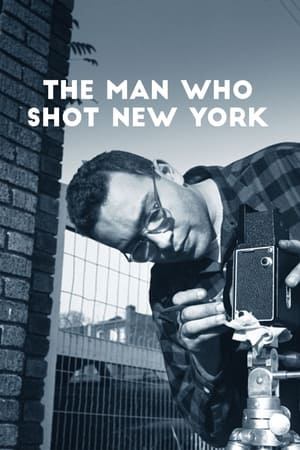
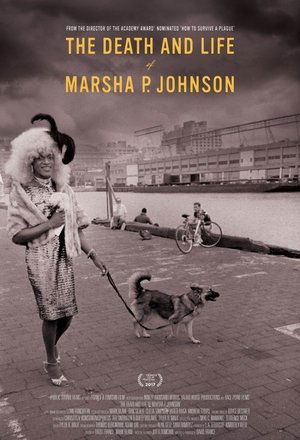
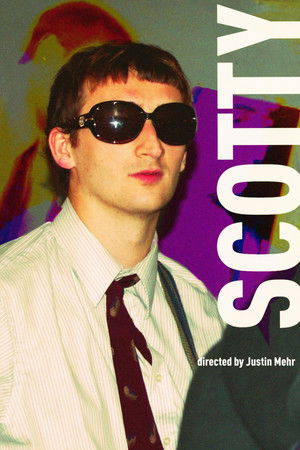
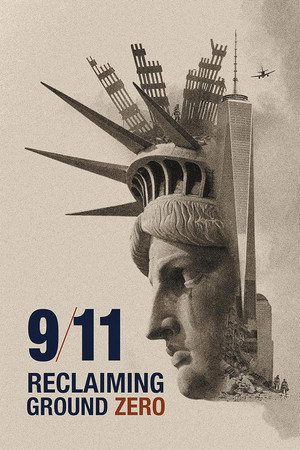
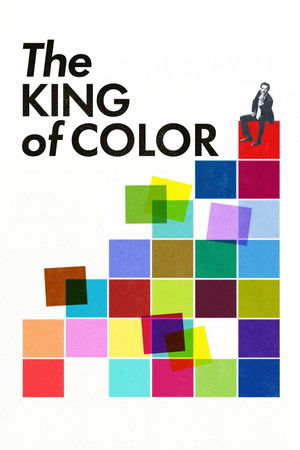
A box found in an abandoned storage unit unearths a time capsule of correspondences from a forgotten era: the underground drag scene in 1950s New York City. Firsthand accounts and newly discovered footage help cast a long overdue spotlight on the unsung pioneers of drag.
The morning of September 11, 2001 is shown through multiple video cameras in and around New York City, from the moment the first WTC tower is hit until after both towers collapse.
A rare behind-the-scenes view of the exploding New York “underground” in the late sixities, a turbulent time and place that was to change American culture forever. A German TV crew, led by journalist Gideon Bachmann, explores the epicenter of the sixties revolution in art, music, poetry and film and interviews the main players in the “New American Cinema,” that was born on the streets of New York. Against a backdrop of cultural upheaval in all of the arts and growing political agitation against the Vietnam War, Bachman interviews the most prominent figures in “underground film,” including Jonas Mekas, Shirley Clarke, the Kuchar Brothers and Bruce Connor, and visits the most notorious location in the New York art world of the era - Andy Warhol’s Factory - to conduct an interview with the genius of Pop Art himself.
Empire Skate chronicles the colorful rise and enduring influence of New York skateboarding culture in the 1990s, through the global phenomenon of Supreme and intimate portraits of the skaters who breathed life into that world. From the highs of breakout film success and the creation of a brand and movement to the lows of fractured families and the loss of close friends, it is a style-and-substance trip through a unique moment when multiple trends converged on one city to create something timeless.
A documentary about 7 World Trade Center.
A unique and compelling account of the day that changed the modern world, captured by ordinary people who chose to pick up their cameras and film that fateful day.
In the community gardens of New York
Where does voguing come from, and what, exactly, is throwing shade? This landmark documentary provides a vibrant snapshot of the 1980s through the eyes of New York City's African American and Latinx Harlem drag-ball scene. Made over seven years, PARIS IS BURNING offers an intimate portrait of rival fashion "houses," from fierce contests for trophies to house mothers offering sustenance in a world rampant with homophobia, transphobia, racism, AIDS, and poverty. Featuring legendary voguers, drag queens, and trans women — including Willi Ninja, Pepper LaBeija, Dorian Corey, and Venus Xtravaganza.
This documentary offers an intimate look at the life and legacy of American abstract expressionist Franz Kline. Through personal memories and reflections from those who knew him—such as fellow artist Willem de Kooning, de Kooning’s wife Elaine, and other contemporaries—the film paints a vivid portrait of Kline’s personality, artistic spirit, and lasting influence. Known for his powerful black and white compositions and bold brushwork, Kline is remembered not only for his art, but also for his wit, warmth, and passionate approach to painting. The episode explores both his creative process and the deep friendships that shaped his career.
The story behind Blondie's album Parallel Lines, which sold 16 million copies and captured the spirit of 1970s New York at a time of poverty, crime and an exploding artistic life.
The film is a controversy on democracy. Is our society really democratic? Can everyone be part of it? Or is the act of being part in democracy dependent to the access on technology, progression or any resources of information, as philosophers like Paul Virilio or Jean Baudrillard already claimed?
Tony Silver and Henry Chalfant's PBS documentary tracks the rise and fall of subway graffiti in New York in the late 1970s and early 1980s.
Lexington, Kentucky, 2004. Four young men attempt to execute one of the most audacious art heists in the history of the United States.
Survivors tell how 12 fire-fighters, a police officer and an office worker survived inside the North Tower of the World Trade Center as it collapsed on top of them
Recorded narration of a Turkish student who recounts his trials and tribulations since moving to New York City. Family and aspiration struggles.
Kristina, a self-named Hungarian female lion tamer, arrives in New York to become a dance choreographer. Kristina, now a middle-class NYC artist concerned about the environment, has a sailor lover named Raoul. The film, a collage work, an essay film, a fictional narrative and a documentary all rolled into one, is one of the most important independent American feminists films made during the 1970's.
Observations at Manhattan's Grand Central Terminal, which is one of the most fascinating stations for insiders. The documentary takes the completed renovation of the building as an occasion to bring the magnificent architecture to life; at the same time, it focuses on the countless momentary encounters when the paths of commuters and flâneurs cross.
Disintegration Loop 1.1 consists of one static shot of lower Manhattan billowing smoke during the last hour of daylight on September 11th, 2001, set to the decaying pastoral tape loop Basinski had recorded in August, 2001. Shot from Basinski's roof in Williamsburg Brooklyn, this is an actual documentary of how he and his neighbors witnessed the end of that fateful day. It is a tragically beautiful cinema verite elegy dedicated to those who perished in the atrocities of September 11th, 2001.
Die Menschenfischer
Experience the events of September 11, 2001 through the eyes of President Bush and his closest advisors as they personally detail the crucial hours and key decisions from that historic day.