More than two decades after it left our screens, BBC Two’s iconic and much-loved music documentary series, Rock Family Trees, is back for a one-off special. The iconic music documentary series returns to examine the real story behind the birth of Britpop and how a handful of like-minded musicians, struggling to find an authentic voice, would pave the way for a revolution in British music. It is an intricately connected story of three of the biggest bands of the 1990s – Suede, Elastica and Blur – and how, for a brief moment in the middle of that decade, they changed British music forever, kickstarting a movement that still reverberates to this day.
Take a closer look behind the processes of six different traditional Christmas items: Christmas Trees, Brussel Sprouts, Chocolate, Tinsel, Christmas Jumpers and Christmas Puddings!
L'Olympia, du rêve à la scène
Since the enactment of the Anti-Boryokudan Act and Yakuza exclusion ordinances, the number of Yakuza members reduced to less than 60,000. In the past 3 years, about 20,000 members have left from Yakuza organizations. However, just numbers can’t tell you the reality. What are they thinking, how are they living now? The camera zooms in on the Yakuza world. Are there basic human rights for them?
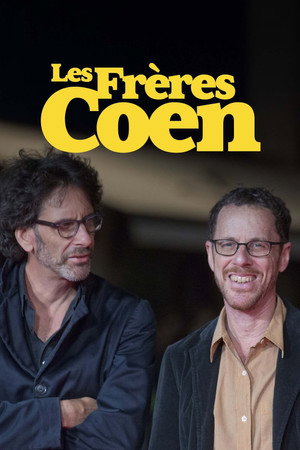
Tracing the careers of these two cinema enthusiasts, this documentary reveals the secrets behind the work of Ethan and Joel Coen, screenwriters and directors who are interchangeable within the same two-headed entity. It features fascinating, previously unseen interviews with some of the most iconic actors from their filmography.
Unravel the case of Utah therapist Jodi Hildebrandt, whose child abuse arrest with parenting YouTuber Ruby Franke exposed a twisted tale of manipulation.
FRONTLINE investigates the widespread use of antibiotics in food animals and whether it is fueling the growing crisis of antibiotic resistance in people. Also this hour: An exclusive interview with the family of a young man who died in a nightmare bacteria outbreak that swept through a hospital at the National Institutes of Health.
This chronicle of the Christchurch Commonwealth Games marked one of the National Film Unit's most ambitious productions. Though a range of events (including famous runs by John Walker and Dick Tayler), are covered, the film often bypasses the pomp and glory approach; instead it dares to talk to the injured and mention that most competitors lose. The closing ceremonies of the "friendly games" feature the athletes gathering to — as the official song's chorus put it — "join together". Four directors joined together to work on it: Arthur Everard, John King, Paul Maunder and Sam Pillsbury.
Sydney, the early 1950's... a city in the grip of a deadly crime wave. In just over a year more than one hundred people were poisoned. Most of the killers were women. Recipe For Murder tells the true story of three notorious poisoners; Yvonne Fletcher, Caroline Grills and Veronica Monty. The 52 minute film combines gritty archive with stunning film noir re-enactments and interviews with witnesses. Narrated by Dan Wyllie in classic pulp crime style, the film dramatically reveals the unique ingredients that created a Recipe For Murder.
In France, more than 10 million people of all ages are believed to rely on food aid. Faced with this reality, mutual aid initiatives are multiplying to feed, comfort, and integrate people. From lunches where everyone pitches in, to one-euro menus, workshops on how to cook healthily and cheaply, and dinners prepared by Michelin-starred chefs, solidarity kitchens are multiplying in France.
The film focuses on Veronica Glover, a black teenager who has been elected to the Student Congress of her predominantly white high school in New Haven, Connecticut. Hoping to use her position to encourage conversation between her black and white classmates, Veronica narrates her experience in voiceover as we see brief, revealing scenes from her life: a debate in an African Literature class, discussions with her friends, and time spent with a teacher/counselor.
Loitz is one of those former GDR towns that still suffer from the effects of German reunification. For a year "Infinite Place" looks behind the gray facade of the seemingly dying town and questions concepts of home and identity through the perspective of its old and new inhabitants. The town’s vacancy and people’s urge for self-realization create a fruitful look into the future.
Why does the Mexican government consider the feminist movement a bigger threat than most drug cartels? The short documentary 'SANGRE VIOLENTA / SANGRE VIOLETA' interweaves three narratives, illuminating the motivations behind their activism in Mexico. These stories include a radical feminist collective, an inspiring survivor of an acid attack, and a grieving father who tragically lost his seven-year-old daughter to femicide.
Carlos Carreto, photographer, and María Fernández, painter, join forces to bring forth the exhibition “Océano Negro”. A brief journey not only through their work, but also within themselves. An excuse to talk about water in all its forms and provocations. Rain, clouds, reflections, distortion... everything is water to be shaped with the gaze.
Making of documentary for the 2006 horror film 'Driftwood'.
A reflection about the urgent necessity of a Universal Jurisdiction enabled to act where other initiatives fail. We are resolved to give voice to the forgotten victims of the Spanish Franco regime and determined to become an agent of change for the dissemination of some events which have left a mark on the Spanish society and which are still unknown nowadays by most of the population, who thinks to know them, but actually got a manipulated version in the best-case scenario.
A feelgood documentary about Nothing, in which Nothing, tired of being misunderstood, tries to defend its cause. Filmed worldwide by 100+ complementary DoPs, scored by cabaret grandmasters Pascal Comelade & The Tiger Lillies, narrated - in simple childish verse - by Iggy Pop.
Making of documentary for the 2006 horror film 'Hatchet'.
“Set against the rattle of shopping carts and the white noise of L.A. traffic... “Disco’d” is an unvarnished, moving look at the lives affected by the rising crisis of homelessness.” —Los Angeles Times
Sonntag Morgen Linien ziehen