87 min
 5.538
5.538
 1987
1987
 United Kingdom
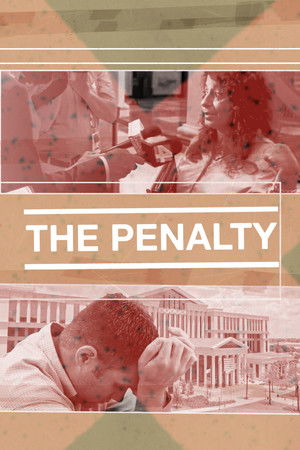
A camera crew follows Edward Earl Johnson, a man falsely convicted of rape and murder, during his last 14 days on death row. Everyone involved is interviewed, Johnson himself, his family, the warden, prison guards and other inmates. We also witness the futile attempts by his attorney to save his life.
Overview
Reviews
 CinemaSerf wrote:
If there was ever to be a documentary to convince us of the profound flaws of a legal system that implements the death penalty, then this might be it. James Earl Johnson has been on death row for eight years following his conviction for the murder of a local deputy and the attempted rape of a sixty year old woman. Both were white, but the extent to which that might have mattered when the charges are killing a cop and assaulting an old lady are maybe less significant that the necessity for the authorities to apprehend someone plausible and quickly. This documentary spends two weeks with this man, his lawyer, his family and the prison staff as appeals come and go and the gas chamber beckons. This film doesn’t explore the judicial process nor bog us down in court proceedings; instead it focuses more on the human aspects of a man incarcerated, convincingly protesting his innocence, whilst the system appears to have irrevocably closed it’s door on him. Job done, move on! Of course we cannot swear as to his guilt or innocence, but what you have to admit after ninety minutes is that in no way can you be sure. Personally, I felt that his punishment was as unsafe as it was unfair, but more than that it showed that imposing a sentence this terminal leaves no room for rectification later. It asks what society actually gains by committing a more judicial form of murder? Of course there are the thoughts of the victims and their families to be considered in all this too, but this film makes no attempt to engage them in it’s proceedings which is a shame as I would have been fascinated to see what their views might have been after spending time with a man who was either an extremely competent actor or a psychotic of “Jekyll and Hyde” proportions. The fact that there is no narration works powerfully with this, too. It consists a few conversations and interviews, some news reports and then we are left to come to our own conclusions about the man and the system. It’s a tough old watch, but it did make me glad I live in a country where the death penalty can only ever apply if you actually kill the King.