A poignant insight into the world of sport, where talent, passion and endurance mean everything, but give no guarantee of success.
Cold Refuge is about the physical, psychological, and spiritual aspects of full immersion in the natural world: how, though it may seem counter-intuitive, swimming in cold water helps mitigate some of life’s most serious challenges. The film’s diverse film subjects include a wheelchair-bound, paralyzed swimmer who faces fear by diving off a high pier; a Black man who was told by whites when he was 13 that “Black people don’t swim” (it took him 30 years to try); a blind man who tethers himself to a sighted swimmer; a woman with aggressive breast cancer who “swims to chemo;” a lawyer who reduces courtroom stress in the open water; and a young woman who communes with her late mother in San Francisco Bay, where they both swam together. Along with swimmers’ stories of adversity and resilience, the film’s marine mammals, birds, artwork, and a variety of open-water locations create a visual meditation on what it means to escape our abstract digital world in favor of what’s real.
For seventeen fleeting days, the mountain wore a crown of glory. This documentary is not about those days, but about the whispers that echo in the wind long after the last torch is extinguished. We journey through time, witnessing the mountain's silent transformation - years of preparation etched in its slopes, scars of change left on its ancient form. Through intimate interviews with the locals who witnessed the transformation and the professionals who shaped it, we piece together the mountain's Olympic journey. We'll hear firsthand accounts of the years of preparation, the challenges faced, and the lasting impact on the landscape and community.
After missing bronze by 1/100th of a second at the 2016 Paralympic Games, Austin-based swimmer Lizzi Smith shares an intimate story of how changing her self-perception didn’t just bring her back to the pool: it’s bringing hope to the next generation.
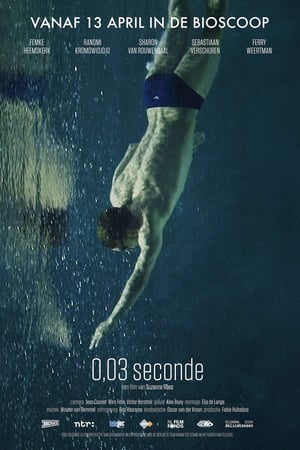
Two weeks to go until the qualification race for the 2024 Olympics in Paris. A young Polish swimmer (Jan Kałusowski) prepares for a chance to compete at the most prestigious sports event in the world.
Alison Brown and Charlie Simonds plan this film at Britain's oldest naturist club, Spielplatz. It’s then off to the Greek Mediterranean and Crete to discover Kalypso Cretan Village. They meet up with friends, Jocelyne and Regis, to investigate why this resort has become so popular.
Short film showing Ragnhild Hveger and 'Little Ravishing Inge' Sørensen in a little more intimate setting than normal. Gunnar 'Nu' Hansen interviewing the two girls 'glorious' show.
The full story of the 1972 Munich Olympics Massacre and the Israeli revenge operation 'Wrath of God.' The 1972 Munich Olympics were interrupted by Palestinian terrorists taking Israeli athletes hostage. Besides footage taken at the time, we see interviews with the surviving terrorist, Jamal Al Gashey, and various officials detailing exactly how the police, lacking an anti-terrorist squad and turning down help from the Israelis, botched the operation.
The black power salute by Tommie Smith and John Carlos at the 1968 Mexico Olympics was an iconic moment in the US civil rights struggle. Far less known is the part in that episode in history played by Peter Norman, the white Australian on the podium who had run second — and the price paid afterward by all three athletes.
The Top Gear team hit Norway for a Winter Olympics special in which they attempt Olympic events, but with cars. In a world first, the team fire a rocket-powered Mini off a ski jump, Jeremy and James tackle the biathlon with the latest 4x4s, Richard stages a game of car ice hockey, and the new Jaguar XK races a speed skater.
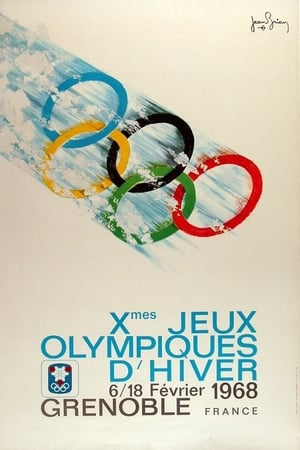
This colorful documentary chronicles the events of the 1968 Winter Olympics in France. The events made international celebrities of skater Peggy Fleming and skier Jean-Claude Killy for their gold-medal performances. The camera accurately catches the speed of bobsleds and downhill racers and ski jumpers as they race for the gold. President Charles DeGaulle is shown observing the action over 13 days, which saw France earn the best performance to date in the winter games.
A profile of the 1928 Olympic Games in St. Moritz, Switzerland.
The story of individuals from all walks of life that have faced incredible obstacles, found the drive to overcome their disabilities, and have through water sports become real everyday heroes.
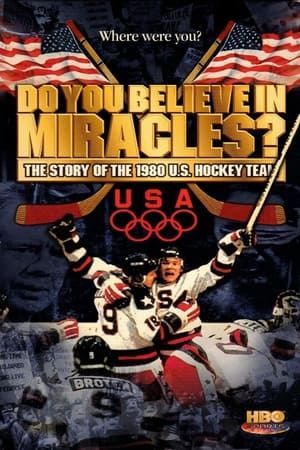
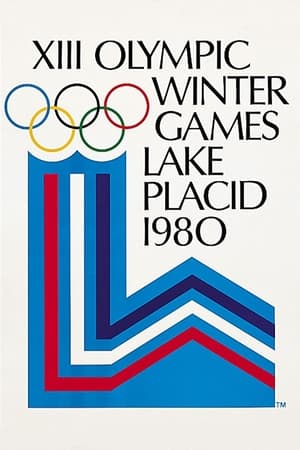
At the Winter Olympics of 1980, after two tense weeks amidst growing Cold War fears, the U.S. Olympic hockey team found themselves playing improbably against the legendary unbeatable Soviet Army hockey team for Olympic Gold. From the live footage taken at Lake Placid, NY, and through interviews beginning with the team's assembly through the experience of winning the gold medal.
Tom Daley came to national and international prominence when he won the Men's 10 metre platform diving European championship in 2008, at the age of 13, and came 7th in the individual competition and 8th in the synchro competition at the Beijing Olympics. In the summer of 2009, aged 15, he won the World Championships, and this documentary followed him through the 2010 diving season.
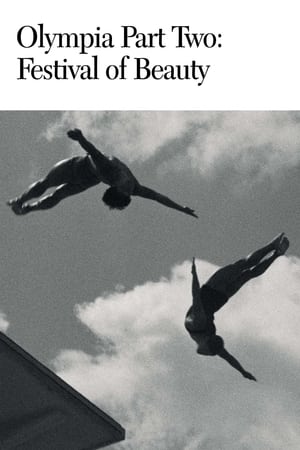
Part two of Leni Riefenstahl's monumental examination of the 1938 Olympic Games, the cameras leave the main stadium and venture into the many halls and fields deployed for such sports as fencing, polo, cycling, and the modern pentathlon, which was won by American Glenn Morris.
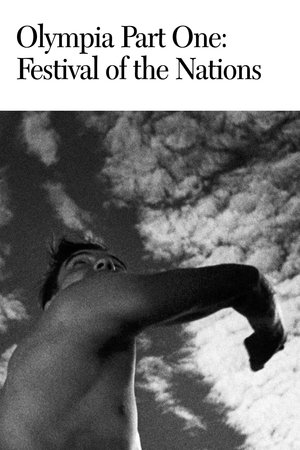
Starting with a long and lyrical overture, evoking the origins of the Olympic Games in ancient Greece, Riefenstahl covers twenty-one athletic events in the first half of this two-part love letter to the human body and spirit, culminating with the marathon, where Jesse Owens became the first track and field athlete to win four gold medals in a single Olympics.
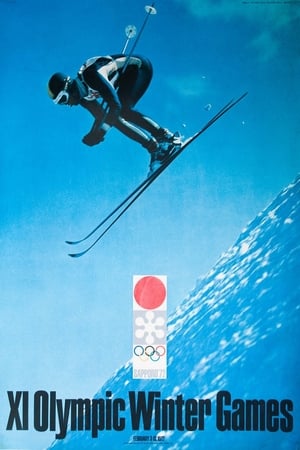
A documentary about the 1972 Winter Olympic Games in Sapporo, Japan.
Swimming, Dancing examines audiovisual representations of the Yangtze (1934–present), from silent film to video art to the contemporary vlog. Inspired by the city symphonies of the 1920s, Swimming, Dancing pieces together a “river symphony”, evoking the images, sounds and contradictions that make up the river’s turbulent history.
Documentary examines the history and evolution of the Olympic Games, taking a close look at the Olympic charter, oath and ideals. Also featured are rare home movies and interviews with Olympic athletes and the oldest known color footage of the Olympic Games from Berlin in 1936.