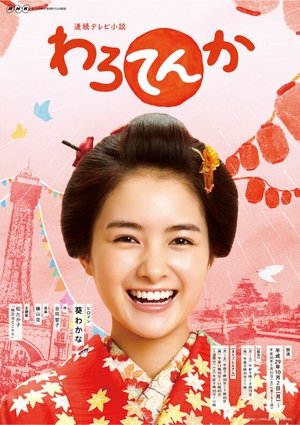
The 77th NHK Asadora is Chiritotechin. Location includes Fukui prefecture. This renzoku is about Wada Kiyomi (referred to as Kiyomi-B), a girl brought up in Fukui who moves to Osaka in search of her soul. In Osaka, Kiyomi-B becomes enchanted with rakugo, a Japanese traditional form of comic storytelling, and pursues a career in rakugo. In the summer of 1982, Kiyomi-B and her family move to Obama of Fukui, her father's hometown. Kiyomi-B's grandmother and uncle welcome the family, but Shotaro the grandfather does not allow Masanori to take over the Wakasa lacquer chopsticks making. One day, Kiyomi-B listens to rakugo at Shotaro's factory and becomes fond of it. Shotaro and Kiyomi-B become close through rakugo.
The 16th NHK Asadora. Starring Yoko Akino in a contemporary story about a woman who is an office worker.
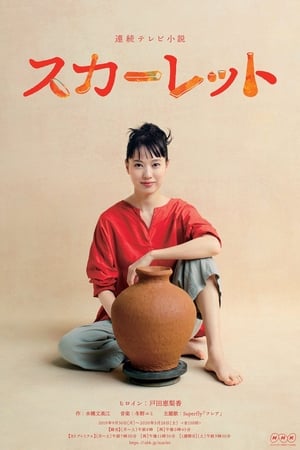
Born in 1937 in Osaka as the eldest daughter, Kawahara Kimiko moves to Shigaraki with her family at the age of 9. She works to support her family from a young age. Eventually, she jumps into the male world of pottery and becomes a pioneer of female ceramic arts. After marrying her husband who is also involved in ceramics and owning her own kiln, she raises her two children while struggling to create unique ware.
The 59th NHK Asadora Drama is Yanchakure. Location includes Osaka. In Osaka, "yanchakure" is a bit of an old word which is used to describe tomboyish or mischievous young girls. Mizushima Nagisa happens to be such a girl, that, no matter how well-intentioned her motives nor how hard she tries, Nagisa just seems to end up failing. In fact, she has failed at different things in her life so many times that she has come to see it as a source of personal strength, her philosophy being one of, "It's natural for a human being to fail many times in the course of their life and thanks to those failures we can become adults."
Massan is based on the lives of Masataka Taketsuru and his wife Jessie Roberta "Rita" Cowan, a Scotswoman Taketsuru met while studying abroad.
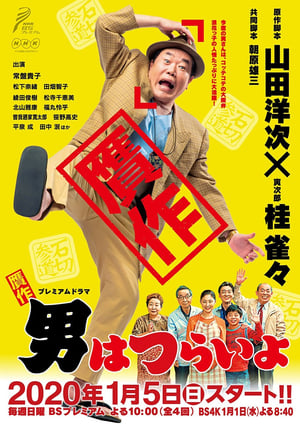
贋作男はつらいよ
Uno Meiko is the daughter of parents who run a western style restaurant in Tokyo. She marries and moves to Osaka with her husband. Meiko experiences cultural differences between Tokyo and Osaka, as she lives as a mother and wife in Osaka.
關西攻略
關西攻略貳
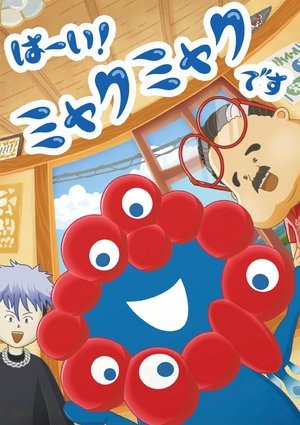
Myakumyaku is a mysterious creature born 3.5 billion years ago who wants to talk to someone about life and the future. And that's when he meets a lazy old man! Does the old man and Myakumyaku seem to get along? Or maybe not? A heartwarming comedy with conversations that will make you chuckle.
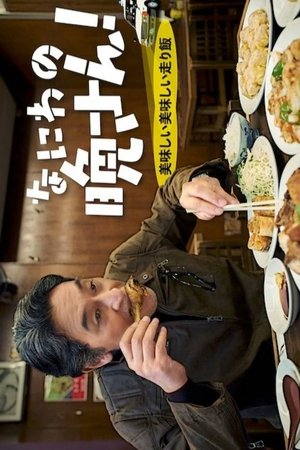
In the bustling city of Osaka, a captivating gourmet drama unfolds, revolving around the enigmatic Ban Akira, a taxi driver with a unique gift for ferrying distressed passengers with intricate dilemmas to exquisite dining establishments.
It's the glittering 80s, and Japan's bubble economy is in full swing. There is a fortune to be made for those who have the brains, determination and pure luck. Tetsuya and Tomoyo are two ordinary, but ambitious people in their prime who have chosen to take part in the money game. They hook up with self-made billionaire Okitsu, who guides them through the "Bubble." A master of the game, Okitsu plays for revenge, not money. He conspires to destroy Kurihara, a ruthless financier whose sole weakness is his only daughter. The plot twists amid a complex web mired in greed, desire and dreams. Spinning with intrigue, the ultimate game of wits has begun for stakes too deadly to imagine.
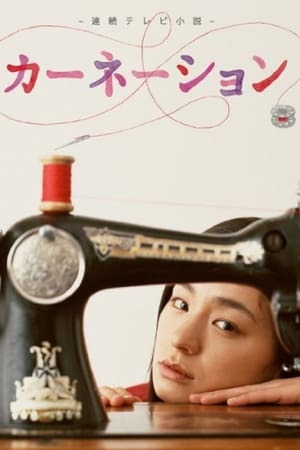
Carnation is a Japanese television drama that aired in the Asadora slot on NHK from 3 October 2011 to 31 March 2012. It is the 85th Asadora. It is based on the life of the fashion designer Ayako Koshino in Kishiwada, Osaka. Ayako was the mother of the internationally famous designers Hiroko Koshino, Junko Koshino, and Michiko Koshino.
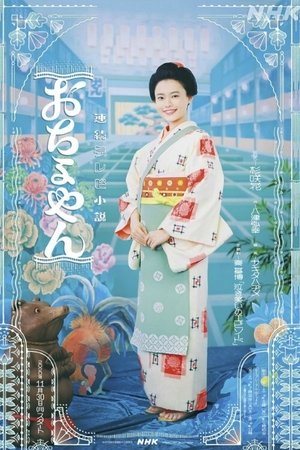
In the end of Meiji era, Takei Chiyo was born in a poor family in Osaka, and was sent to a theatre tea room as a servant when she was 9 years old. There, she was attracted by the world of theatre comedy. She grows up to be an actor and marries to Amami Ippei , but the war broke out and she was forced to stay away from acting for a while. However, when she comes back again, her acting in a radio drama impresses many people and makes herself one of the leading actors in western Japan.
関西攻略の新年番外篇
Born over a tofu shop in Osaka, twin sisters Reiko and Kyoko have very different characters. Reiko is diligent, and longs for a secure, middle class lifestyle. Kyoko is a free spirit, who seeks thrills and adventure.
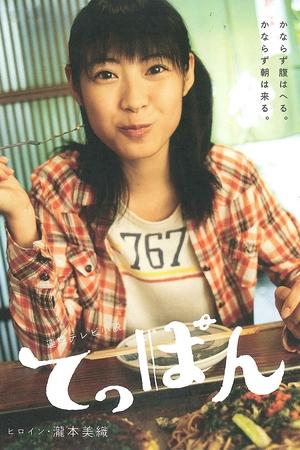
Teppan is a Japanese television drama that aired on NHK in 2010–2011. It was the 83rd Asadora. It starred a new actress, Miori Takimoto, in the role of a young woman raised by an adopted family in Onomichi who learns of her real grandmother and decides to move to Osaka to start an okonomiyaki restaurant. The title word "teppan" refers to the metal surface on which okonomiyaki are cooked. The series, while interrupted by the Tohoku Earthquake, averaged a 17.2% rating, making it the fourth most popular of the Asadora dramas in the previous five years.
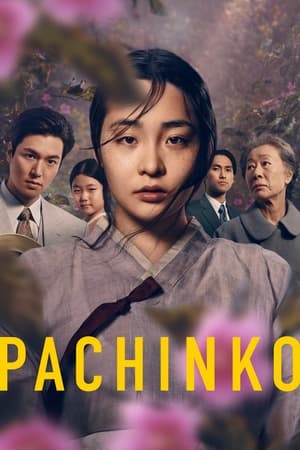
This sweeping saga chronicles the hopes and dreams of a Korean immigrant family across four generations as they leave their homeland in an indomitable quest to survive and thrive.
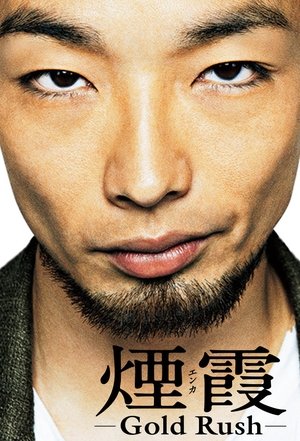
Kumagai is an art teacher at a private female high school. Sakai, the school's chairman of the board, runs the school like the school is his own property and pays Kumagi a low salary. Then, Music Teacher Naoko and P.E. Teacher Oyamada asks Kumagi to join them in a scheme to blackmail Sakai. Unexpectedly, Sakai and his girlfriend Akemi go missing. The duo are assumed to be kidnapped by Minowa and Nakao who are education consultants. Meanwhile, Kumagai and Naoko unwittingly become involved in a scheme to steal large amount of gold bars that were hidden by Sakai.
Based on true story of the wife of Ando Momofuku, the businessman who founded Nissin Food Products Co. Ltd. and the inventor of instant ramen, the 99th Asadora follows the life of Tachibana Fukuko, a young woman who tries to survive tough times in Osaka with her husband from before WWII to the rapid economic development era. Together they overcome various setbacks before they succeed in creating instant noodles. (Source: MDL)