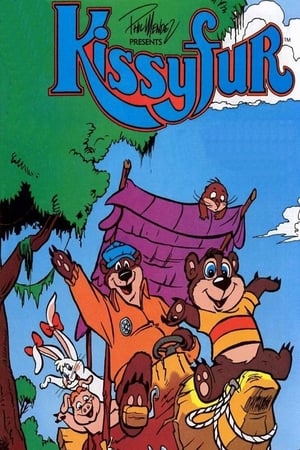
Kissyfur is a 1980s animated children's television series which aired on NBC. It was produced by Jean Chalopin & Andy Heyward and created by Phil Mendez for DIC. The series was based on a half-hour NBC prime-time special called Kissyfur: Bear Roots and was followed by three more specials until its Saturday morning debut. The show ran for two seasons. The show follows the adventures of Gus and Kissyfur, a father and son bear duo who had joined the circus. One day on a circus trip, the train they are riding in derails and the bears escape to a new life in the swamps of Paddlecab County. There, they protect the local swamp's inhabitants from the local bumbling alligators Floyd and Jolene. Kissyfur and his father use the skills they have acquired from the human world to create a boat tour business transporting other animals and their products down the river.
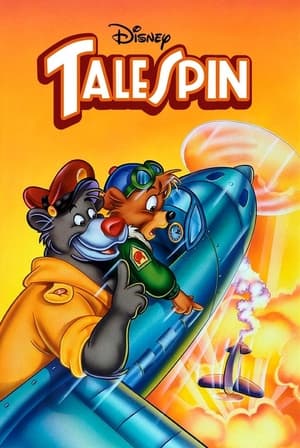
Baloo the Bear stars in an adventurous comedy of love and conflict with his friend Kit Cloudkicker. Rebecca Cunningham and her daughter Molly purchase Baloo's failing company and Baloo must fly transport runs to clear his debt while dodging Don Karnage and his sky pirates.
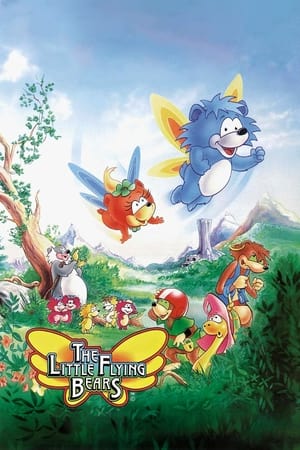
The series focuses on a rare species of little bears with wings that live in the magical forest in a utopian cooperative community. The little flying bears together with their friends, took on themselves the task to defend their forest from pollution. However, their efforts, very often, are disturbed by two weasels, Skulk and Sammy, which strive to pollute the forest. Every so often the weasels receive help from Slink the snake. The three always strive to find new ways to disturb the harmony of the forest but their plans are destroyed always by the bears. The bears are always attentive to the advices of the old bear, Plato (who is too old to fly) and his friend Ozzy the owl. This cartoon helps children realize the importance of protecting the environment. The series shows the harmful effects of pollution and fires as well as the important role of the ecosystem.
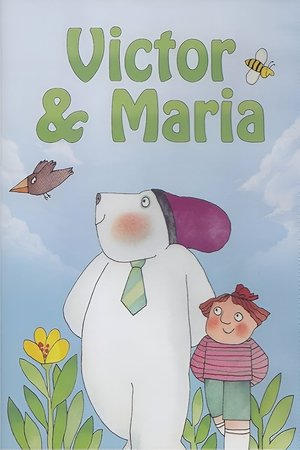
Victor is a big white bear who wears a hat and tie, and Maria is the girl who plays with him. And that's it. Together, these two share a lot of fun and games, just like friends do. On occasion, they are joined by Victor's cousin Otto, who is a brown bear, and Matilda, who is Maria's human friend.
You’ve heard the story of Goldilocks and the Three Bears, but did you hear what happened after the story ended? Goldilocks apologized to Bear and now they’re best friends.
“Bear Me” is an almost real story about friendship, love..and a Bear. Lili, the series narrator, tells us the story of her friendship with Bear. Episodes show us their adventures, ups and downs of their relationship. The series are based on a short-length animated movie with the same title, directed by Kasia Wilk.
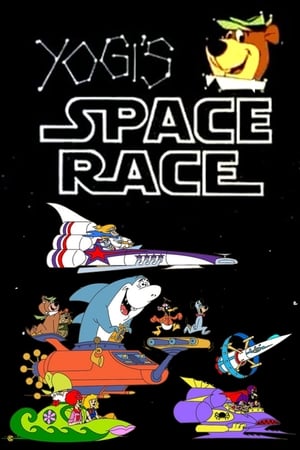
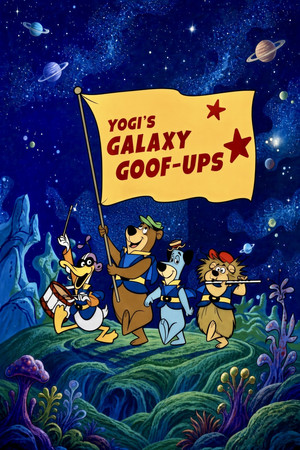
Yogi Bear and other Hanna-Barbera figures match wits as they race around the galaxy.
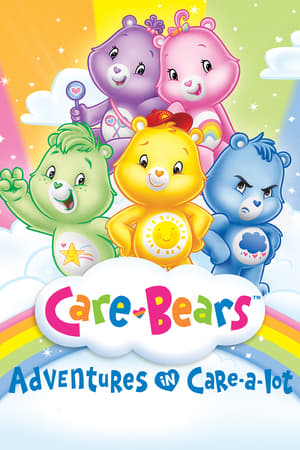
Care Bears: Adventures in Care-a-lot is an animated television series by SD Entertainment, Cookie Jar Entertainment and Shari Lewis Enterprises that premiered on CBS's KEWLopolis line-up from September 15, 2007 to December 6, 2008, and is designed to be an immediate follow up to the movie Care Bears: Oopsy Does It!. It was the third Care Bears television series made and was produced by Sabella Dern Entertainment, the same company that made Care Bears: Oopsy Does It!. It features songs with music by Andy Street and lyrics by Judy Rothman. Along with the other shows in the KEWLopolis block, this series fulfills the federal "E/I" requirements.
Galaxy Goof-Ups is a half-hour Saturday morning animated series produced by Hanna-Barbera Productions which aired on NBC from September 9, 1978 to September 1, 1979. The "Galaxy Goof-Ups" consisted of Yogi Bear, Huckleberry Hound, Scare Bear and Quack-Up as space patrolmen who always goofed-up while on duty and spent most of their time in disco clubs. The show originally aired as a segment on Yogi's Space Race from September 9, 1978 to October 28, 1978. Following the cancellation of Yogi's Space Race, Galaxy Goof-Ups was given its own half-hour timeslot on NBC. The show has been rebroadcast on USA Cartoon Express, Nickelodeon, TNT, Cartoon Network and Boomerang.
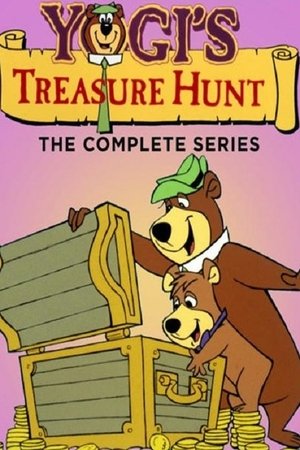
Yogi's Treasure Hunt is a cartoon series first aired in 1985 as part of the weekend/weekday morning programming block, The Funtastic World of Hanna-Barbera. It is the fourth incarnation of Hanna-Barbera's Yogi Bear.
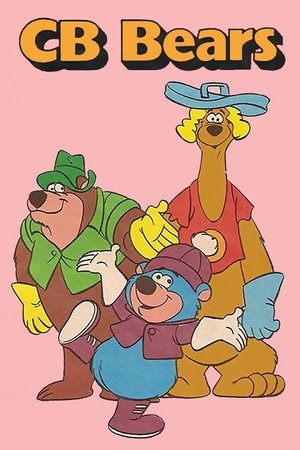
CB Bears is an animated American anthology television series produced by Hanna-Barbera Productions for NBC's Saturday morning children's programming. It ran in 1977, airing 13 episodes that spanned one season. This series featured six segments making it one of the longest (content-wise) HB series in the 70's. The show debuted with segments, CB Bears, Blast-Off Buzzard, Heyyy, It's the King!, Posse Impossible, Shake, Rattle and Roll and Undercover Elephant.
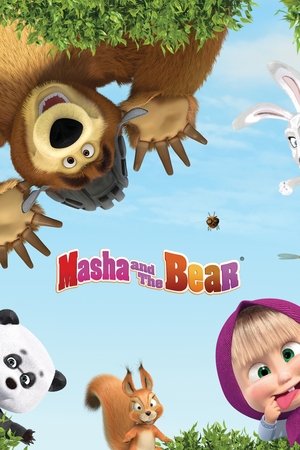
Masha is an energetic three-year-old who can’t seem to keep herself out of trouble. Bear is a warm, fatherly figure that does his best to guide his friend and keep her from harm, often ending up the unintended victim of her misadventures.
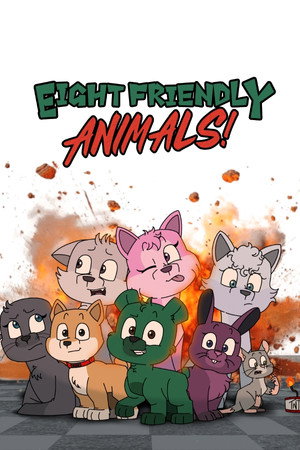
A group of animal friends will experience the most absurd and chaotic adventures.
The continuing adventures of store clerks Dante and Randal, who try to make the best of their menial labor, with no help from Jay and Silent Bob.
The Message was a surreal comedy series which spoofs current practices in the television industry. It originally aired in 2006 on BBC Three. It consisted of six episodes, and was not renewed after the first season.
La Job is a French Canadian comedy television series set in Montreal. It is an adaptation of the British show The Office of the BBC. Produced by Anne-Marie Losique's Image Diffusion International, it has been broadcast for a limited number of viewers on Bell TV satellite television, beginning on October 9, 2006. It was later seen by a wider audience on the public broadcaster Radio-Canada and specialty channel ARTV. It is the third official foreign adaptation of the concept, and the second in a language other than English.
Black Hole High is a Canadian science fiction television program which first aired in North America in October 2002 on NBC and Discovery Kids. It is set at the fictional boarding school of the title, where a Science Club investigates mysterious phenomena, most of which is centered around a wormhole located on the school grounds. Spanning four seasons, the series developed into a success, and has been sold to networks around the globe. Created by Jim Rapsas, the series intertwines elements of mystery, drama, romance, and comedy. The writing of the show is structured around various scientific principles, with emotional and academic struggles combined with unfolding mysteries of a preternatural nature. In addition to its consistent popularity among children, it has been recognised by adults as strong family entertainment. Forty-two episodes of the series, each roughly twenty-five minutes in length, have been produced, the last three of which premiered in January 2006. Those three final episodes that aired were combined into a film, Strange Days: Conclusions. The show was filmed at the Auchmar Estate on the Hamilton Escarpment in Hamilton, Ontario.
British sitcom in which Reverend Philip Lambe, after becoming bored in his wealthy Oxfordshire parish, asks for a transfer to a more difficult assignment. Sent to Edendale, a fictional urban town in the Midlands, he is accompanied by his wife Emma, sixteen-year-old daughter Miranda and twelve-year-old son Peter.
How do you like Wednesday? was a Japanese television variety series that aired on the HTB network in Hokkaidō, Japan, and on other regional television networks in Japan. The program debuted on HTB on October 9, 1996. The series was one of the first local variety programs to be produced on Hokkaido; prior to this series' launch, local variety programs in Hokkaidō were virtually non-existent. The program also had a significant influence on other local programs in other regions in Japan, most notably Kwangaku! in Kansai and Nobunaga in Tokai. The series achieved a record 18.6% viewing share on December 8, 1999, the highest share for a late-night program on a local TV station. Production of the weekly regular series ended in September 2002, though new limited-run series were produced on average of every 18 months; the latest series was shown on HTB in late 2005, eight episodes in length. Most of the series have been rerun under the names of Dōdeshō Returns and Suiyō Dōdeshō Classic.
Eizan Kaburagi and his friends experience their first year at a ninja school, where they learn only the finest forms of education there are… such as how to pass through walls, disappear into clouds of smoke and fly over rooftops.