Egynyári kaland
Szomszédok was a Hungarian television series, occasionally called the Hungarian Dallas, that ran from 1987–1999 and produced 331 episodes, airing its grand finale on December 31, 1999. The series was a soap opera, dealing with the lives of ordinary people, living and working in or around an average lakótelep. Its characters were explored, over time, in equal depth: ranging from elderly pensioners, busy middle aged professionals, up-and-coming young people, and children growing into their teens. Many consider Szomszédok to be the definitive Hungarian television series, being a period piece of sorts that covers the last few years of the communist era, the rendszerváltozás, and nearly a decade of the new market economy Hungary thereafter.
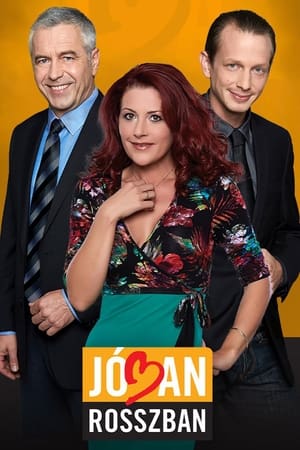
For Better or Worse is a daily prime time Hungarian soap opera.
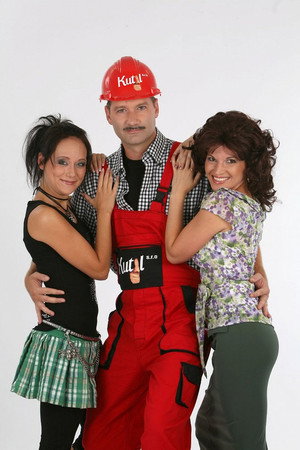
Kutyil Ltd. is a continuation of the series Neighbours. But heroes are no longer Laszlo and Ildikó, but Lajos (Andy Kraus) and Tunde (Viki Ráková) Gyönörű. In addition, viewers will get to know not only them but also their daughter, Emese (Michaela Szoczová). Lajos works as a handyman and his repairs are always funny. There is also a magyarized slovak which often makes funny phrases.
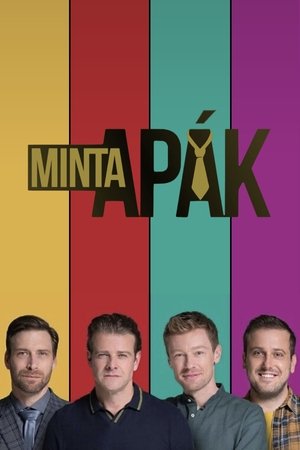
Mintaapák
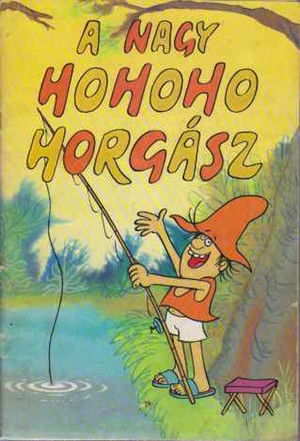
A nagy ho-ho-horgász
Pom Pom meséi
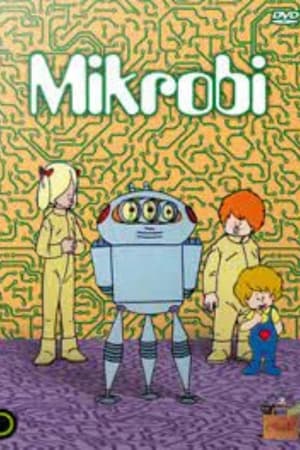
Hungarian cartoon. Mikrobi is a robot that has three eyes, a stretchy neck and takes care of the three children traveling across the cosmos. The biggest problem Mikrobiego is a small urchin Pepe, who constantly wants to play with him and boredom reprogrammed the robot to fulfill his cravings.
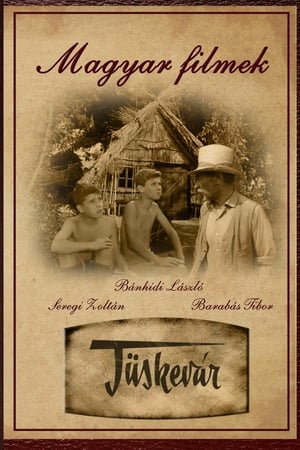
A story about two urban boys, who spend a summer at the romantic Kis-Balaton side with an old field keeper, and gradually change their point of view about their civilized life, and fall in love with the nature.
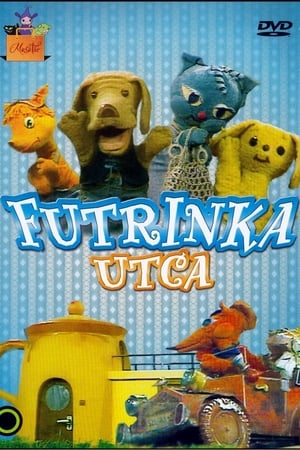
On a rainy day a stray puppy named Buksi arrives on Futrinka Street. The cat Cicamica adopts him, and Morzsa, an old dog, plays a fatherly role. Buksi gets to know the neighborhood, makes friends, gets in trouble, and goes on adventures.
Hungarian Folktales is a Hungarian animated series. Each episode is based on a Hungarian folk tale. The creators paid special attention to using Hungarian folk motives in the episodes.
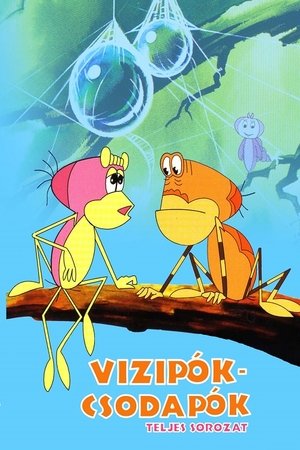
This is the story of the water spider, which, unlike land spiders, does not weave its web in the corners of rooms or in the tops of trees or bushes, but in the water.
Two astronauts and a sympathetic chimp friend are fugitives in a future Earth dominated by a civilization of humanoid apes. Based on the 1968 Planet of the Apes film and its sequels, which were inspired by the novel of the same name by Pierre Boulle.
Based on the bestselling book by Candace Bushnell, Sex and the City tells the story of four best friends, all single and in their late thirties, as they pursue their careers and talk about their sex lives, all while trying to survive the New York social scene.
男才女貌
הבאר
Nicole wants to stand on stage as a DJ, become a musician so famous that she can catch up with her boyfriend, Stevan, in Paris. For the sake of his dream, he is determined to do everything including becoming a personal assistant to Daniel, the owner of a hotel and restaurant from the Maestro group while continuing to strive to realize his dream.
This is the story of how Char Aznable, the Red Comet, came to be. Zeon Zum Deikun suddenly dies, in the middle of declaring the Autonomous Republic of Munzo’s independence, and the republic falls into turmoil. His children, Casval and Artesia, escape to Earth while the House of Zabi rises to power. Living in secret, the siblings must find their place in a world preparing for war.
Blue Water High is an Australian television drama series, broadcast by the Australian Broadcasting Corporation on ABC1 and on Austar/Foxtel Nickelodeon channel in Australia and on various channels in many other countries. Each season follows the lives of a young group of students at Solar Blue, a high-performance surf academy where several lucky 16-year-olds are selected for a 12-month-long surfing program on Sydney's northern beaches. There are three series in Blue Water High. The first two series were screened in 2005 and 2006 and the producers did not intend to create a third series. However, due to popular demand by fans, they relented and made one more series with only Kate Bell returning in a main role. Series three ended with the closure of Solar Blue, indicating that the show would most likely not continue.
Making use of re-enactments with the help of crime specialists and journalists, as well as the testimonies of victims, each episode sheds light on the modus operandi of thieves who have shaken up the people of Quebec, then and now.