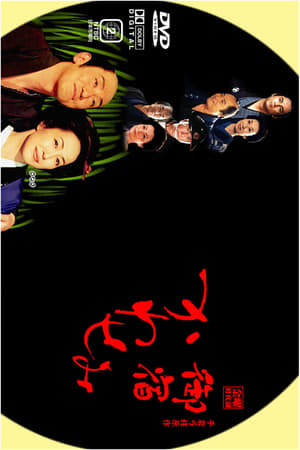
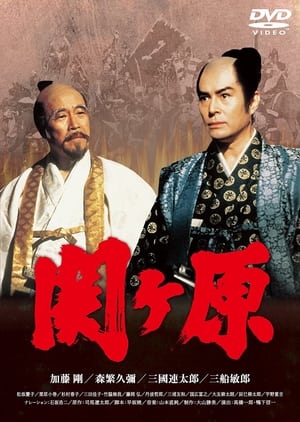
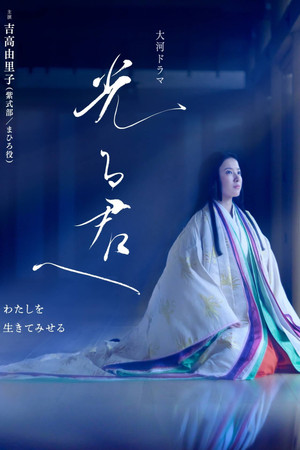
The 41st NHK Taiga Drama is Toshiie to Matsu. During the turbulent Warring States Era, one man's life and career intertwined with the three great generals of Japanese history-Nobunaga, Hideyoshi, and Ieyasu. With political savvy and the support of his fiercely loyal wife, Maeda Toshiie rose to second in power in the shogunate and built up a fiefdom that encompassed Echizen, Noto and Kaga.
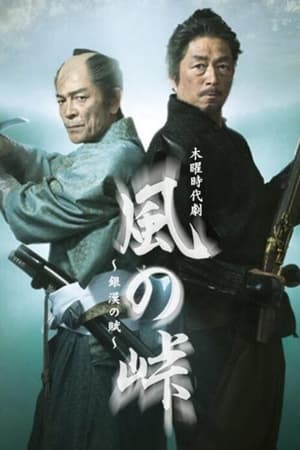
Set in the Edo Period of Japan, the series follows a young ninja named Hayate, who is the son of a man who developed a special technique called the "Transformation Jutsu" capable of granting a superhuman form. However, their Ninja clan, the warmongering Blood Wheel Clan, begins using the Transformation Jutsu to spread fear and terror all throughout Japan as part of their campaign to conquer it, going against the peaceful intentions Hayate's father had when creating it. After the Blood Wheel Clan slaughter a village, Hayate is able to convince his initially reluctant father to perform the transformation procedure on him, enabling him to become a birdman ninja known as "Arashi" to defend people from the Blood Wheel Clan. Hayate's father is later murdered by the Blood Wheel Clan when they discover his betrayal, but Hayate himself escapes and teams up with the Iga Clan to fight and keep the Blood Wheel Clan from taking over Japan.
Collection of short stories about women in various periods of Japanese history. Based on famous Japanese novels.
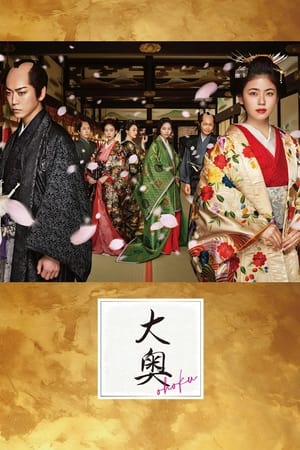
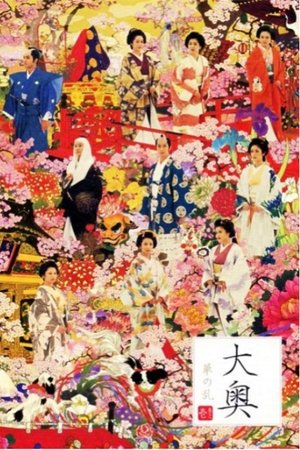
The mini-series revolves around the harem of a shogun in the Edo Period in Japan. The women jostle and compete with one another and with their lord and on occasion even wield more power than their master.
Princess Anmitsu, the only daughter of the lord of Amakara Castle, was fed up with her cramped life. When the lord suggested an arranged marriage for her, she finally escaped the castle...
A historical romance about the life of Princess Nukata, a Manyo poetess who was loved by two brothers, Emperor Tenji and Emperor Tenmu, and the formation of an ancient nation.
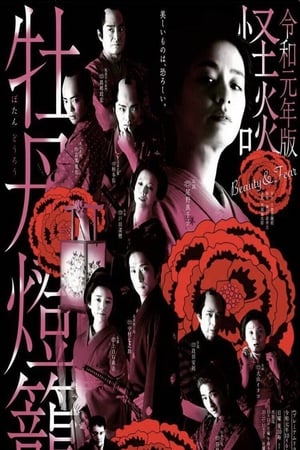
One hundred years ago, the two died untimely deaths, although they had a strong bond. In the Edo period, the reincarnated man met a geisha named Osome, a wandering spirit who could not attain Buddhahood.
After 2 years of completely isolation in mountains, Musashi comes back in order to live a normal life. However, after his duel against Kojiro Sasaki he has many enemies who want to kill him...
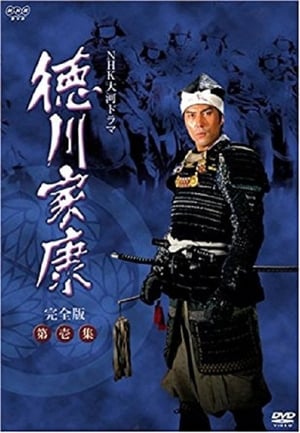
The story chronicles the life of Tokugawa Ieyasu.
Sakazaki Iwane is a ronin who spends idle days in Edo. Until a few months ago, he was a promising son and successor to a powerful family in Bungo. He has came back to Edo, where he lived for a while for swordplay training with his two best friends, after a tragedy in the three's home domain—both of the two friends died, one of them killed by Iwane by command of the domain lord's chief retainer. Iwane left his home for Edo, leaving behind his fiancée, a sister of the friend he killed. Eventually, Iwane detects the conspiracy behind the deaths of the two friends and struggles to reform his domain.
Villain or hero, Taira no Kiyomori changed Japanese history forever 900 years ago. Without ever knowing his real father, Kiyomori was raised as a samurai. Together with his stepfather, he wiped out piracy along Japan's western coast, becoming a full-fledged warrior samurai. In an age when samurai were looked down on as members of the lower class, Kiyomori was skillful at winning the hearts and minds of the people. By rounding up surrendered pirates and achieving other successes, Kiyomori eventually became the de facto ruler of Japan.
宮本武蔵
Naotora Ii is a woman given a male name, who succeeded as the head of the Ii family during the Warring States period when her father passed away. With her wisdom, courage and affection for loved ones, Naotora lived through turbulent times and paved the way for the future of her clan.
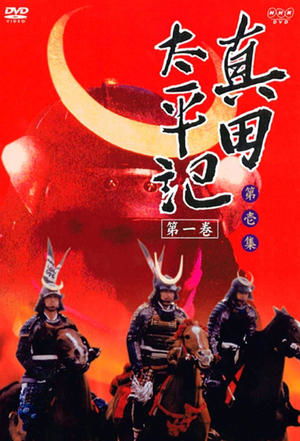
An entertaining historical drama depicting Sanada Yukimura, a hero who has gone through the era from the incident at Honnōji Temple to the summer siege of Osaka Castle, as "a man of men".
小河ドラマ 徳川☆家康
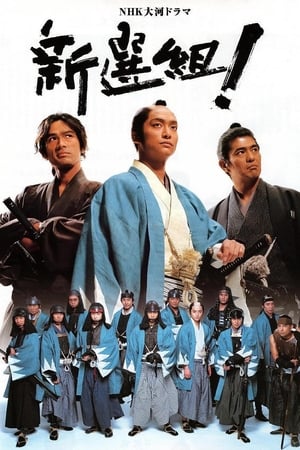
Shinsengumi! is a Taiga drama television series produced by Japanese broadcaster NHK. It was a popular drama about the Shinsengumi, a Japanese special police force from the Bakumatsu period.
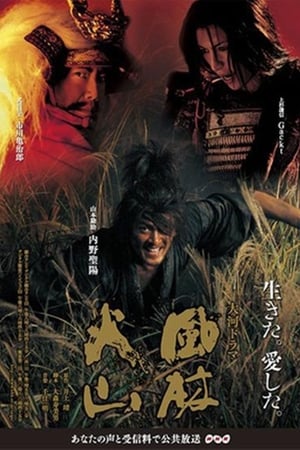
Fūrin Kazan was the 46th NHK Taiga drama beginning on January 7, 2007. It was aired throughout 2007. The four characters from left to right are wind, woods, fire, and mountain. The title is a reference to the war banner used by Takeda Shingen, which in turn was taken from Sun Tzu's The Art of War. It means "Swift as the Wind, Silent as a Forest, Fierce as Fire and Immovable as a Mountain."
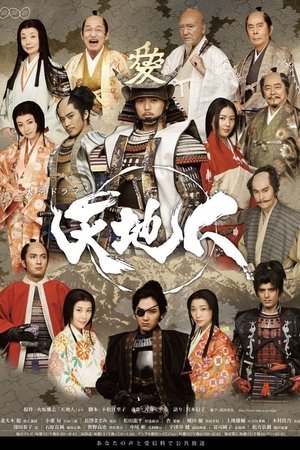
Tenchijin is the 48th NHK Taiga drama. It airs on NHK from January 4, 2009 every Sunday from 20:00 to 20:44 JST to November 22, 2009 spanning 47 episodes. The story centers on the life of the 16th century samurai Naoe Kanetsugu. Production began on April 27, 2007. The story is based on the novel Tenchijin by Masashi Hisaka and was adapted for screen by scriptwriter Eriko Komatsu. The series' music composer was Michiru Oshima. The protagonist of the drama, Naoe Kanetsugu, was taught by Uesugi Kenshin in his youth that to conquer the world is a trifling matter, but what matters is to live one's life with righteousness. After Uesugi's death, Naoe supports Uesugi Kagekatsu, who holds the destiny of Echigo province.
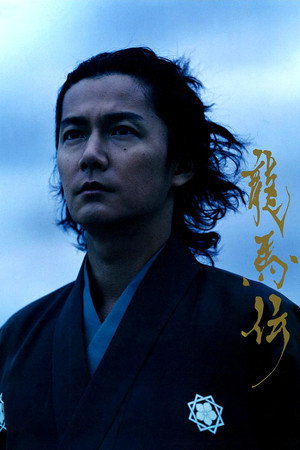
Ryōmaden is the 49th NHK Taiga drama. It was shown on NHK from January 3 to November 28, 2010 spanning 48 episodes. The story centers on the life of 19th-century Japanese historical figures Iwasaki Yatarō and Sakamoto Ryōma. It has been announced that the series will be aired in several other countries, for example Hong Kong, South Korea, Taiwan and Thailand.
Kohei Akiyama, a popular master swordsman, and his son Daijiro live in the town of Edo in good faith. While running a dojo, Daijiro and his father find themselves wrapped up in a series of events with the town's people.