Merveilles d’Afrique
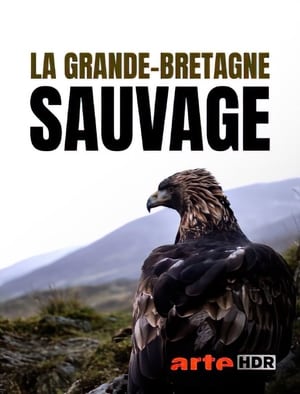
A look at endangered species in the regions around the UK
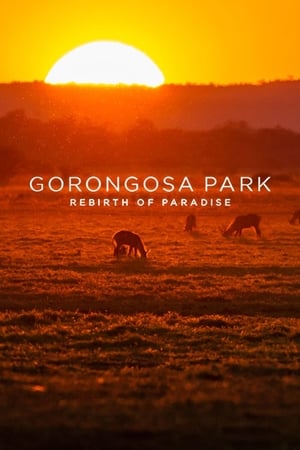
Experience the incredible and inspiring rebirth of an African wilderness through the eyes of an Emmy-winning wildlife cameraman. American-born, African-raised Bob Poole embarks on an amazing adventure: spending two years living in Gorongosa National Park, Mozambique, Southern Africa, joining scientists and conservationists in the battle to re-wild this once-legendary national park.
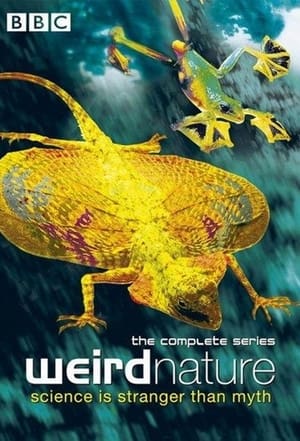
Weird Nature is a 2002 documentary television series produced by John Downer Productions for the BBC and Discovery Channel. The series features strange behavior in nature—specifically, the animal world. The series now airs on the Science Channel. The series took three years to make and a new filming technique was used to show animal movements in 3D. Each episode, however, tended to end with a piece about how humans are probably the oddest species of all. For example, in the end of the episode about locomotion, the narrator states how unusual it is for a mammal to be bipedal. In the episode about defences, the narrator explains that humans have no real natural defences, save for their big brains.
Vulkane in Neuseeland
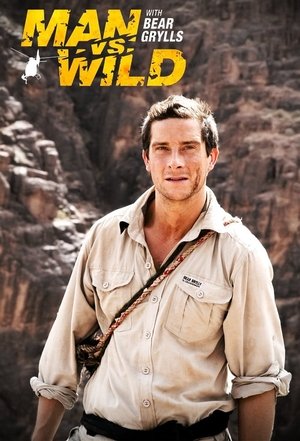
Bear strands himself in popular wilderness destinations where tourists often find themselves lost or in danger.
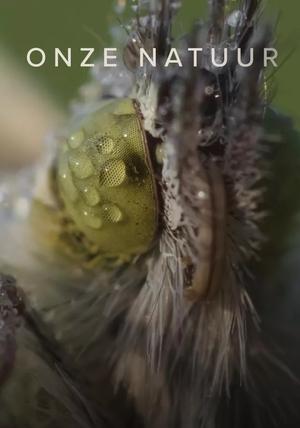
'Our Nature' is an ambitious nature documentary about nature in our backyard. Beautiful stories about known and unknown animals that arouse wonder and increase love and respect for our nature. This is the story of the victors, the opportunists, the spendthrifts, the fighters, the smart ones, the bosses. But also that of the losers, the species that we may not encounter again in a few years... Survival of the fittest, in its most cruel and fascinating form, in a country where at first glance there seems to be no room for wild nature .
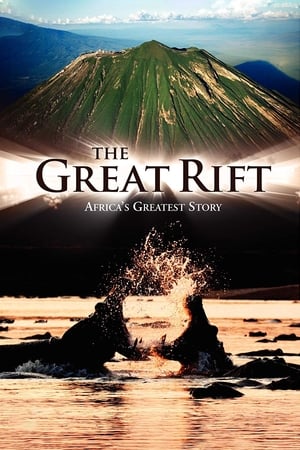
A BBC/Animal Planet co-production, the three-part series focuses on the landscape and wildlife of the Great Rift Valley in East Africa.
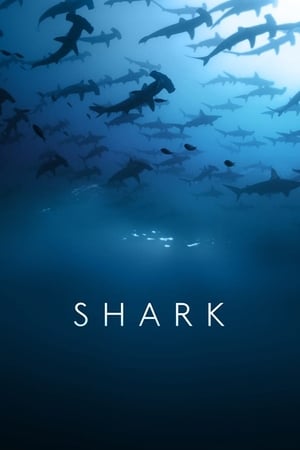
A major wildlife series on the sharks of the world with over thirty species filmed, showing how they hunt, intricate social lives, courtship, growing up and the threats they face.
La Grande-Bretagne Sauvage
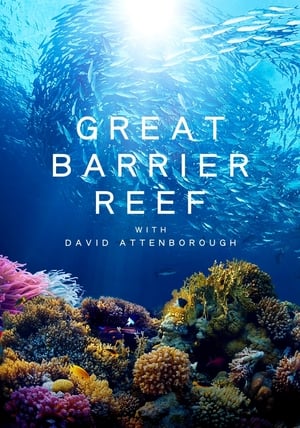
Following his visit to the Great Barrier Reef in 1957, naturalist and broadcaster David Attenborough returns and uses the latest filming techniques to unlock the secrets of the natural wonder.
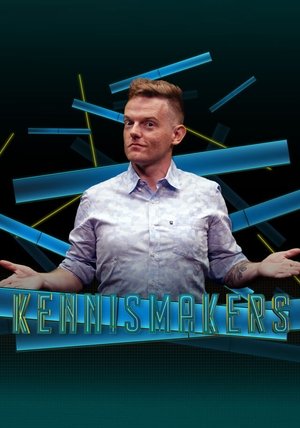
In Kennismakers, a new dazzling science show on channel één, Tom De Cock invites the brightest minds in Flanders to join the live audience at home to introduce the wonderful world of science to viewers
Green Storytellers
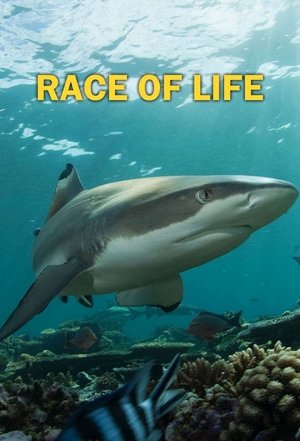
Each week, Race of Life shows you the animals that have adapted and evolved to survive in their environments and keep predators at bay. In the animal kingdom, each day is a battle for survival, and rushing to stay one step ahead of predators is a tiring job…as the sun rises the race begins all over again.
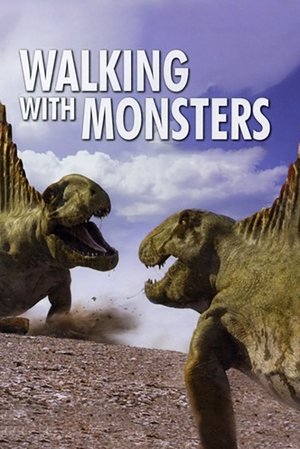
A three-part British documentary film series about life in the Paleozoic, bringing to life extinct arthropods, fish, amphibians, synapsids, and reptiles. Narrated by Kenneth Branagh and using state-of-the-art visual effects, this prequel to Walking with Dinosaurs shows nearly 300 million years of Paleozoic history, from the Cambrian Period (530 million years ago) to the Early Triassic Period (248 million years ago).
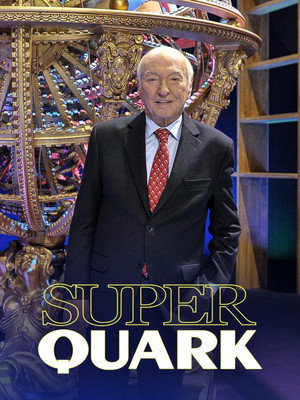
Television program of cultural diffusion, born in September 1995, designed and conducted by Piero Angela, development of transmission appreciated Quark.
Examining the extraordinary physiology of animals who launch themselves into the air - whether winged or wingless; bearing feathers, fur, or scales; by day or night. Shot both in the field and on controlled sets, the series reveals the minute details of wing beats and the science of how a tiny Leaf Hopper pulls 500G on takeoff. Each episode concludes with a behind-the-scenes view of how it was made.
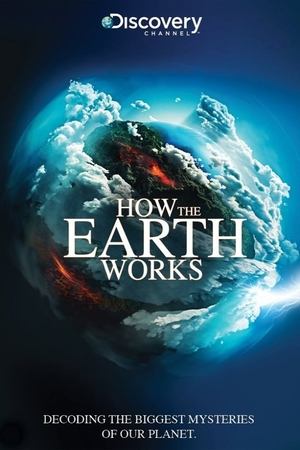
Biologist Liz Bonnin and geologist Martin Pepper set out on a global expedition to answer the most thought-provoking questions in earth science today. Throughout history, such geologic events as volcanic eruptions, tsunamis, tectonic plate motion, earthquakes, and asteroid impacts have continually reshaped Earth's surface, spreading chaos across the planet. By performing experiments, making observations in the field, and consulting expert scientists, the eight-part series works to uncover Earth's immeasurable capacity to create and destroy.
Be immersed in nature's beauty. Discover Hokkaido at its wildest and best as our presenter guides you through its amazing experiences.
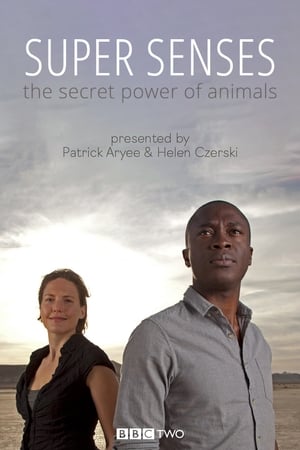
Biologist Patrick Aryee and physicist Helen Czerski go beyond the limits of human perception to explore the extraordinary and surprising world of animal senses.