The space race, the cold war, "free love," civil rights and more: The decade of the 1960s shaped our history -- and changed the world. In collaboration with Tom Hanks, Gary Goetzman and Mark Herzog, CNN explores perhaps the most transformative decade of the modern era in a 10-part documentary series and brings new insights into how those events shaped today.
The '90s: The Last Great Decade? revisits the decade through "inside out" storytelling and analysis via 120 original interviews—from unsung heroes behind the decade's most riveting stories to the biggest names in politics, tech, movies and music. They reveal a decade of highs and lows: Bill Clinton swept into office on the promise of change; we all made new "Friends"; the LA Riots kept us glued to our TVs; Nirvana gave Generation X a voice but everyone danced the Macarena; and "The Real World" and Jerry Springer changed the television programming landscape. With a star-studded cast of actors, eyewitnesses, politicians and celebrity interviewees, The '90s tells the story of 10 years before boom turned into bust; 10 years when the Web was wide open; 10 years before global terror hit hard.
I Love the '90s is a television mini-series produced by VH1 in which various music and TV personalities talk about the 1990s culture and all it had to offer. The show premiered July 12, 2004 with the episode "I Love 1990" and aired two episodes daily until July 16, 2004, when it ended with "I Love 1999". On January 17, 2005, a sequel was aired in the same fashion.
I Love the '80s is a decade nostalgia television program that was produced by VH1, based on the BBC series of the same name. The first episode, "I Love 1980", premiered on December 16, 2002.
We travel back to the sweet shops of yesteryear to celebrate the tastes of our childhood, beginning with the sweets and snacks we devoured in the 1970s.
Through short documentary episodes, key features of The Last of Us are shown.
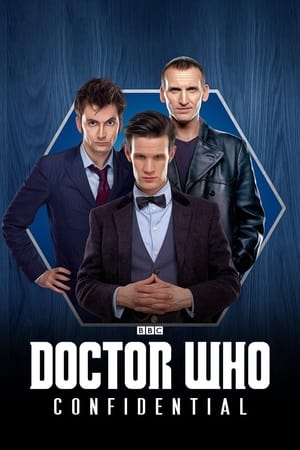
Doctor Who Confidential is a documentary to complement the revival of the long-running British science fiction television series Doctor Who. Each episode was broadcast on BBC Three on Saturdays, immediately after the broadcast of the weekly television episode on BBC One. The running time of the first two series was 30 minutes, being extended to 45 minutes in the third. BBC Three also broadcast a cut-down edition of the programme, lasting 15 minutes, shown after the repeats on Sundays and Fridays and after the weekday evening repeats of earlier seasons.
La Haine : La scène est à nous
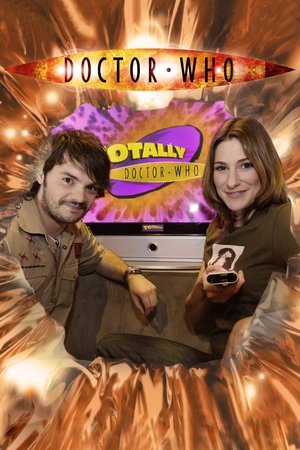
A look at everything Doctor Who, with exclusive behind-the-scenes clips, interviews with the programme's stars and competitions.
Actress and writer Josephine Bornebusch takes a dive into the world of tv-series and meets the stars and the people behind the successes.
DF Retro explores the technology, innovation and history of video games from the past, giving them a modern re-evaluation while exploring just how even the most simple video games helped pave the way for the most advanced current generation blockbuster. Hosted and produced by Digital Foundry's John Linneman.
Director Mitsuo Iso, winner of numerous awards for his anime series "Dennou Coil," presents his latest original anime "The Orbital Children." Set in the year 2045, when the development of AI has made it possible for anyone to go to outer space, this near-future story is about children who are left behind on a space station due to an accident and face an imminent crisis. We will closely observe the passionate production of the animation prior to the film's release! We will tell you all about the charms of the remarkable work "The Orbital Children"!
Travel alongside some of the world's most talented tennis players as they swing for greatness and Grand Slams through an action-packed season.
À la recherche du Hobbit (French for Looking for the Hobbit) is an exploratory documentary series directed by Olivier Simonnet in 2014, in which illustrator John Howe, story-teller Nicolas Mezzalira, and Professor Leo Carruthers of the University of Paris-Sorbonne explore real-world settings and famous myths that inspired J.R.R. Tolkien's mythology. The documentary explores many locations of Medieval significance.
Celebrities to take a warm, funny look at gadgets, gizmos and games of childhood and Christmases past. 'That's So Last Century' is an entertaining three-part series in which celebrity parents and their kids will dig deep into the not-so-ancient world of the late 20th Century to uncover the technologies, objects and pop culture artefacts that time has forgot. We'll bring together these lost relics in front of the parents (who'll remember them) and their kids (who most probably won't) to see how they react. A new take on the archive show, they'll not only watch clips of these now hilariously outdated objects, but they'll get their hands on them too. With each episode covering a different category of 20th century life, how will they fare when getting to grips with a fax machine, playing the original black and white Nintendo Game Boy, sporting a Global HyperColour t-shirt or recording a programme on VHS? That's So Last Century is an intelligent celebration of how the speed of technological and cultural changes has, in just a few years, made objects, TV shows and gadgets bizarre and unrecognisable to kids today.
I Love the '80s 3-D is the follow-up to VH1's 1980s nostalgia show I Love the '80s and its sequel I Love the '80s Strikes Back. It premiered October 24, 2005. Like its predecessors, it premiered in one hour installments, each describing the events and trends of a year between 1980 and 1989, two shows per night until Friday, October 28, 2005. The show is actually in 3D, using a process called ChromaDepth that appears in 3D when using a special pair of ChromaDepth glasses, but the process allows the show to be viewable in normal 2D. The ChromaDepth glasses for the show were available free at Best Buy stores across the United States.
I Love the '70s is a decade nostalgia television mini-series produced by VH-1. The series is based on a BBC series of the same name. It examines the pop culture of the 1970s, using footage from the era, along with "Where Are They Now?" interviews with celebrities from the decade. Additionally, the show features comedians poking fun at the kitchiness of what was popular. The first episode of the series, I Love 1970, premiered on August 18, 2003. A sequel, I Love the '70s: Volume 2, appeared in the United States on VH-1 beginning on 10 July 2006.
What should have been a one-off summer flick became one of the largest film franchises of all time. Fast & Furious has spawned merchandise, spin-offs, and theme park attractions, and put a series of increasingly amazing stunts on screens across the world. Cast, crew, and experts will reveal never-before-heard stories about the Fast & Furious franchise.
The third installment from executive producers Tom Hanks, Gary Goetzman and Mark Herzog, following in the footsteps of critically-acclaimed series THE SIXTIES and THE SEVENTIES, tackles 10 years shaped by exceptionalism and excess. Like its predecessors, THE EIGHTIES intersperses rare archival newsreel footage, interviews, and comments by historians, journalists, politicians, celebrities and others, painting a perspective-rich picture of a vibrant decade. Episodes examine the age of Reagan, the AIDS crisis, the end of the Cold War, Wall Street corruption, the evolving TV and music scene, and everything in between.
Executive producer Jon Favreau invites the cast and crew of The Mandalorian to share an unprecedented look at the making of the series. Each chapter explores a different facet of the first live-action Star Wars television show through interviews, never-before-seen footage, and roundtable conversations hosted by Favreau himself.