Three years in the making, this comprehensive study of the Soviet dictator blends documentary footage and interviews with experts and surviving witnesses.
Abeceda komunistických zločinů
This 2-part documentary series reveals the truth about King Edward VIII's affair with American divorcée Wallis Simpson, and the espionage operation that accompanied the investigation.
Edouard VIII, espionnage et liaisons dangereuses
The story of an empire: From its founding in 1922 to its dissolution in 1991, the Soviet Union was shaped by revolutionary idealism, but also by oppression and decay. The USSR evolved from Stalinist terror through the Thaw under Khrushchev to political processes such as glasnost and perestroika under Gorbachev. Finally, in 1991, it collapsed.
The Russian army has no shortage of weapons despite sanctions: With an arsenal mixing old Soviet stocks and modern hypersonic weapons, the country could strike Europe in minutes. An opaque network of spies, shell companies and oligarchs ensures its war capacity through the arms trade, technology theft and state-organized policy of terror.
It started with Lenin and ended with Gorbachev. In this three-part documentary we highlight the people and events that played key roles in the rise of a revolutionary idea and the fall of an empire. How was it possible that this idea could fascinate so many people, including hundreds of intellectuals? How did so many thousands of people put up with suppression, indignity and economic hardship and still remain true to the fundamental concepts of communism?
What it felt like to live through the collapse of communism and democracy. A series of films by Adam Curtis.
Dvojí život jedné strany
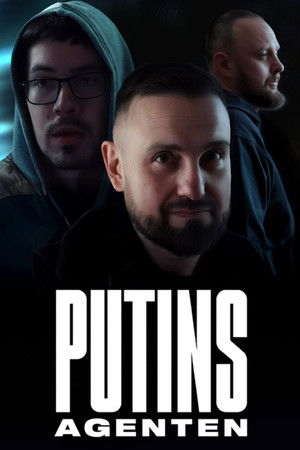
This three-part investigative documentary follows former members of Russian intelligence who reveal how the Kremlin’s spy networks operate. Through insider testimony and expert analysis, it examines recruitment methods, covert missions, cyber operations, and the mechanisms used to silence opposition and project influence abroad under Vladimir Putin’s rule.
The Lost World of Communism is a three-part British documentary series which examines the legacy of Communism twenty years on from the fall of the Berlin Wall. Produced by Peter Molloy and Lucy Hetherington, the series takes a retrospective look at life behind the Iron Curtain between 1945 and 1989, focusing on three countries in the Eastern Bloc - East Germany, Czechoslovakia and Romania. Through film and television footage and the personal recollections of those who lived in these countries, the series offers a glimpse of what daily life was like during the years of Communist rule. The Lost World of Communism debuted on BBC Two on Saturday 14 March 2009 at 9:00pm. There is also a book which accompanies the series.
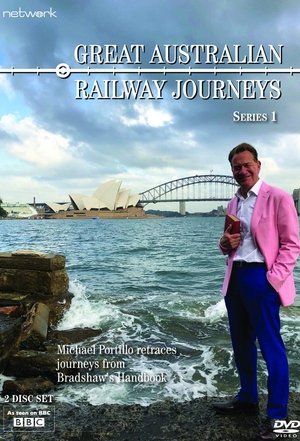
Armed with his 1913 Bradshaw’s Handbook to the Chief Cities of the World, Michael embarks on six new railway journeys across spectacular Australia.
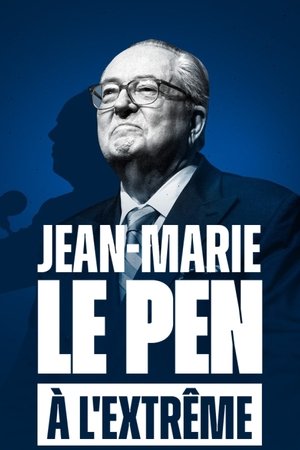
Jean-Marie Le Pen : À l'extrême
Spy Web: International Espionage uncovers some of the most fascinating spying and espionage stories of the 20th century.
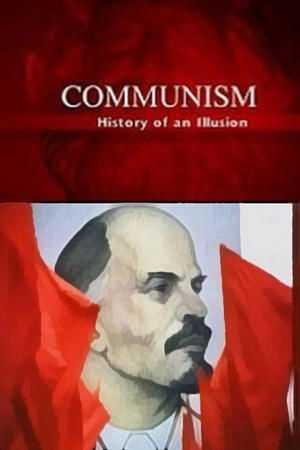
Communism spread to all of the continents of the word, lasting through four generations and over seven decades. Hundreds of millions of men and women were affected by this political system, one of the most unjust and bloodiest in history. Using newly discovered propaganda films and archival photos, these four episodes explore the mysteries of this totalitarian political machine that lured its share of important followers into the fold. Known as the red church, communism seduced its ardent followers like some earthly religion.
Erittäin salainen - Vakoilua Suomessa
Recounts the tumultuous history of Cuba, a nation of foreign conquest, freedom fighters and Cold War political machinations.
Expert analysis and dramatic storytelling of recent crime stories.
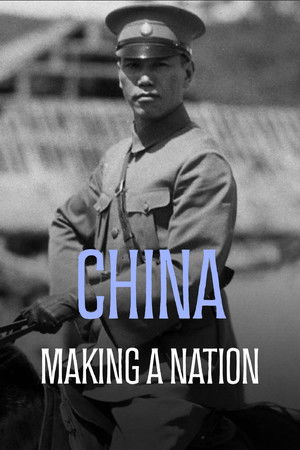
China: The Making of a Nation is the story of the painful transformation of the vast Qing Empire into the Chinese nation after the 1911 revolution. Spanning more than a century up to the Xi Jinping era, the story pits the two pivotal leaders of this transformation against each other: Chiang Kai-shek, leader of the Republic of China for 47 years, and Mao Zedong, who rose from ‘red bandit’ to master of the mainland in 1949. Sworn enemies, they fought a merciless battle: first military, then diplomatic, and finally, beyond their deaths, in the conflicting memories of the Taiwanese and the Chinese of the People's Republic. Beyond their fierce hatred, the two tyrants also had much in common: a certain vision of Chinese territory and the greatness of China, the desire to regain the country's sovereignty and the quest for a Chinese identity in a nation that also includes Tibetans, Uighurs, Mongols... and a certain ability to rewrite history.
Artist Sir Grayson Perry visits Silicon Valley to explore how AI and robotics will shape the future, in a series that raises profound questions about what it is to be human.