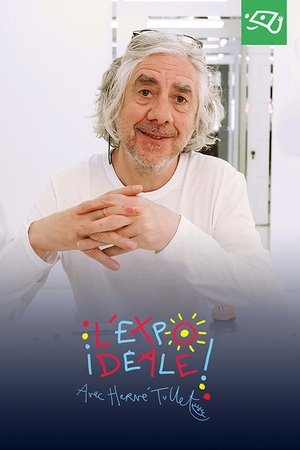
Hervé Tullet, an artist of playful and uninhibited creations, invites young and old to unleash their creativity. He offers a series of creation, recreation and inspiration workshops, so that anyone can put together their own Ideal Exhibition.
Our citizen space accommodates a large number of artistic manifestations that account for the way in which their authors interpret the context in which they are immersed. Living Art is a series of 10 chapters that seeks to be the reflection of the views of those who through art pay new ways of interpreting the world but above all to share their interests, their passions as well as their likes and dislikes which are a fundamental part of his inspiration, thus focusing on his human side.
Great Art Explained is a video series that focuses on one piece of art per episode, breaking it down, using clear and concise language free of 'art-speak'.
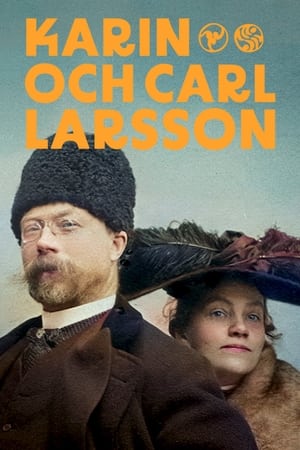
Karin och Carl Larsson
An educational French TV documentary series which goes into depth during each episode into the analysis of a single painting.
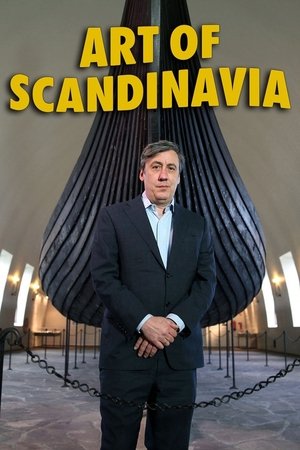
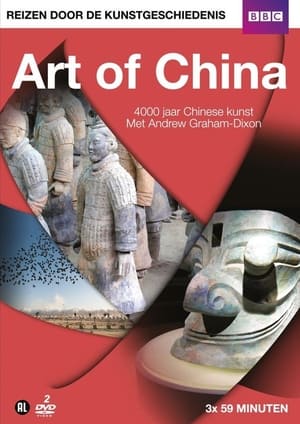
Andrew Graham-Dixon explores the history of Scandinavia through its art.
Features the stories of artists, makers, and creative institutions right here in our backyard of Western New England and across the country. A celebration of all things creative, AHA! features everything from the traditional to the innovative.
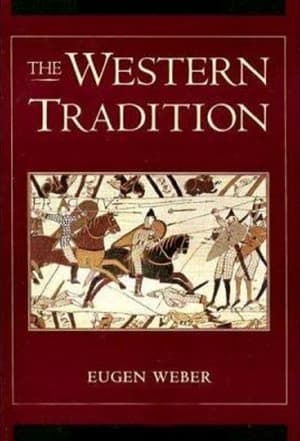
First broadcast on October 2, 1989, these 18 original 30-minute episodes provide a panorama of 2000 years of architecture, painting and sculpture, and studies the art masterpieces as reflections of the Western culture that produced them.
The mythical properties of light in glass captivated not only Czech medieval culture. History of Czech glassmaking from centuries-old traditions to modern techniques.
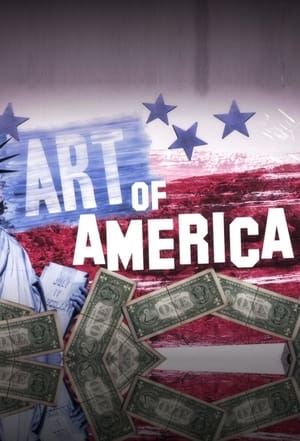
Andrew Graham-Dixon embarks on his most ambitious journey yet, an exploration of the rich, exciting and diverse art history of the United States of America
An art magazine show guest-edited by a different personality each week.
Seven Ages of Britain is a BBC television documentary series which is written and presented by David Dimbleby. The seven part series was first aired on Sunday nights at 9:00pm on BBC One starting on 31 January 2010. The series covers the history of Britain's greatest art and artefacts over the past 2000 years. Each episode covers a different period in British history. In Australia, all seven episodes aired on ABC1 each Tuesday at 8:30pm from 7 September 2010.
Danny Baker, Simon Callow, Richard E Grant, Cerys Matthews, Miriam Margolyes and Michael Sheen follow in the footsteps of their favourite British artists.
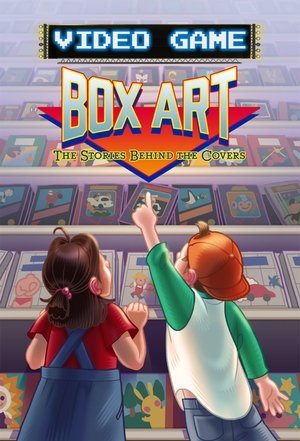
Delve into the world of video game box art with the artists responsible for some of gaming’s most iconic images ever created. Hear about the creation process, discover easter eggs hidden in plain sight, see alternate cover art options, and learn how the gaming industry evolved from infancy until now. Welcome to Video Game Box Art: The Stories Behind the Covers.
À tout hasard
On a journey through a dozen countries, Anik Magny met contemporary artists who are exploring the secrets of desire and the forbidden, creating stunning works that stimulate the senses and give us pause.
Women write art history – but in turn are systematically ignored by it. LOST WOMEN ART tells the story of the suppressed female avant-garde and by doing so introduces a new art history.
In his most personal project to date, Simon Schama looks back at the dramatic history that has played out in his lifetime. Best known for writing history, he has lived a fair bit of it too. Born in 1945, on the night of the bombing of Dresden, Simon grew up as part of a generation determined to rebuild the world from the ashes of war. In this film, he reveals the stories of artists and writers who have been at the forefront of the fight for truth and democracy, often at great personal cost.
Simon Schama explores the history of British portraiture, revealing the stories behind the most compelling images in British art and examining the ways portraiture is used to make a statement.
Art critic Waldemar Januszczak delves into the heart of Mannerism, as he explores the development of the art style, examines its characteristics, and questions what it achieved.