Stephen K. Amos and Susan Calman present a unique series in which LGBTQ people from across the UK talk about the objects that helped to define their lives over the past 50 years.
Patricia Routledge gives a career-best performance as Queen Victoria in this 1964 series of plays based on the celebrated collection of dramas by playwright Laurence Housman. Self-willed, obstinate, imperious and passionate... a now-familiar description of one of history's longest-serving female monarchs – but Housman's satirical tribute marked a decisive break with the tradition of the uncritical historical portrait. A Broadway hit deemed too disrespectful for public performance in Britain until the late 1930s, Victoria Regina is a frank portrayal of an extraordinarily complex woman, tracing her development from royal teenager to inconsolable widow at the helm of a vast empire, with all her contradictions, prejudices and unconstitutional behavior.
Michael Portillo celebrates the modern railway’s 200th birthday, revealing the journey that changed the world.
This historical mini-series documents the reign of Elizabeth I with each episode focusing on one dramatic period in the lengthy reign of the Virgin Queen, including her ascension to the throne, her various marital intrigues, her problems with her cousin Mary, Queen of Scots, and the threatened invasion of the Spanish Armada.
Time Team is a British television series which has been aired on British Channel 4 from 1994. Created by television producer Tim Taylor and presented by actor Tony Robinson, each episode featured a team of specialists carrying out an archaeological dig over a period of three days, with Robinson explaining the process in layman's terms. This team of specialists changed throughout the series' run, although has consistently included professional archaeologists such as Mick Aston, Carenza Lewis, Francis Pryor and Phil Harding. The sites excavated over the show's run have ranged in date from the Palaeolithic right through to the Second World War.
The Tudors is a history-based drama series following the young, vibrant King Henry VIII, a competitive and lustful monarch who navigates the intrigues of the English court and the human heart with equal vigor and justifiable suspicion.
The Hundred Years’ war between England and France gave us the victories of Crecy and Agincourt, and made the reputations of Edward III and Henry V. It gave France a national heroine in Joan of Arc. But, even now, the jury is out as to its causes and outcome. Was it the final swansong of a redundant knightly class whose only reason for being was to fight? Was it a battle over ever more important territory to the emerging economies of England and France? Or was it the painful birth of two distinct national identities, forged through their long and violent divorce? Dr Janina Ramirez guides us through the stories of kings, great knights, bloody battles and cultural triumphs of this momentous conflict.
Historian Dr Helen Castor explores the lives of seven English queens who challenged male power, the fierce reactions they provoked and whether the term 'she-wolves' was deserved.
Jonathan Meades gives a personal perspective of British history.
Happy birthday! Mary Berry is joined by famous friends to share memories and recipes. Celebrating the joy of food, they'll revisit old favourites and discover new delicious dishes.
Documentary series which ranges widely over Britain's social and cultural history, its narrative-led storytelling offering a richly immersive and varied window onto the past.
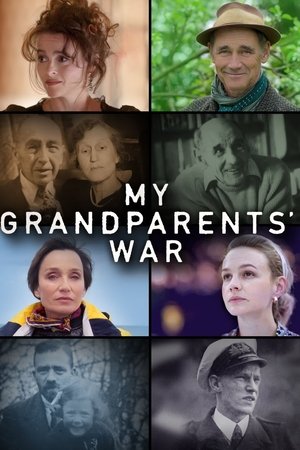
In this four-part documentary series, leading Hollywood actors undertake a fascinating journey into their family's past by re-tracing the footsteps of their grandparents during World War Two. We follow the moving, personal stories of Helena Bonham Carter, Mark Rylance, Kristin Scott Thomas, and Carey Mulligan as they travel to historic locations, from the beaches of Dunkirk to prisoner of war camps in Asia, to learn about the war their grandparents experienced. All of the actors have unanswered questions about the scars war left on their grandparents, and in each episode one of the actors explore how six years changed the lives of their family and the world forever while learning about the life and death decisions that their grandparents faced.
Historian Lucy Worsley presents a series marking the 200th anniversary of one of the most explosive and creative decades in British history, the Regency.
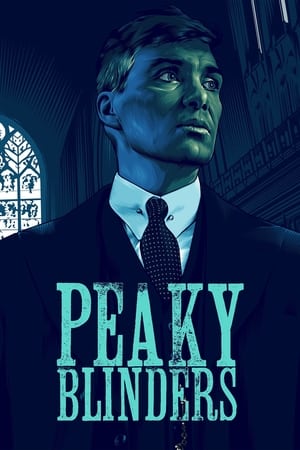
A gangster family epic set in 1919 Birmingham, England and centered on a gang who sew razor blades in the peaks of their caps, and their fierce boss Tommy Shelby, who means to move up in the world.
Dr Xand Van Tulleken and Raksha Dave investigate the Great Smog of 1952 - the deadliest environmental disaster ever recorded and one of the world's worst peacetime catastrophes. Lasting just over four days, the Great Smog plunged London into a terrifyingly murky gloom - the acrid pollution seeping into homes, leaving Londoners gasping for breath, shutting down transport and emergency services, and overwhelming hospitals and undertakers alike.
Presented by Dr Clare Jackson of Cambridge University, this new three-part series argues that the Stuarts, more than any other, were Britain's defining royal family.
Andrew Marr's The Making of Modern Britain is a 2009 BBC documentary television series presented by Andrew Marr that covers the period of British history from the death of Queen Victoria to the end of the Second World War. It was a follow-up to his 2007 series Andrew Marr's History of Modern Britain.
This 2-part documentary series reveals the truth about King Edward VIII's affair with American divorcée Wallis Simpson, and the espionage operation that accompanied the investigation.
This series travels the length and breadth of Britain to find out how the Victorians built Britain. It uncovers the incredible and surprising stories behind iconic landmarks; discovers the hidden heroes behind the epic constructions; and finds out how the incredible advances made by the Victorians forged the world we live in today.
David Dimbleby examines the power, wealth and survival of the institution at the heart of our national life: the monarchy.