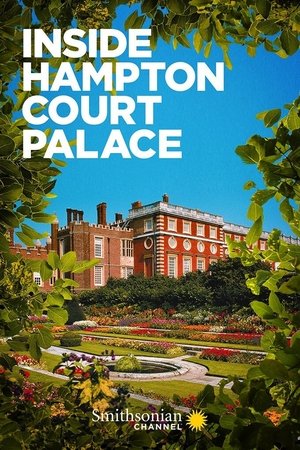
On the edge of London stands Hampton Court, one of Britain's biggest palaces and most popular tourist spots, attracting almost a million visitors every year. Spanning 750 acres of grounds, it boasts 1,300 rooms and 23 courtyards...along with a host of secrets and historic stories. This two-part special provides an exclusive and intimate look at life inside the court today for the people keeping Henry VIII's world alive in the modern age, and also explores what life was like in the palace where the private world of the Tudors began.
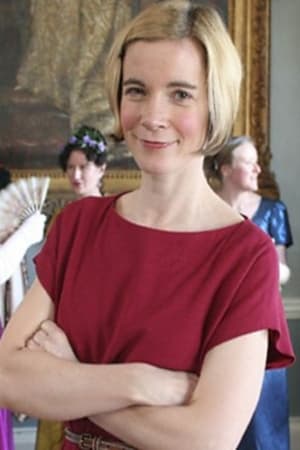
Historian Lucy Worsley presents a series marking the 200th anniversary of one of the most explosive and creative decades in British history, the Regency.
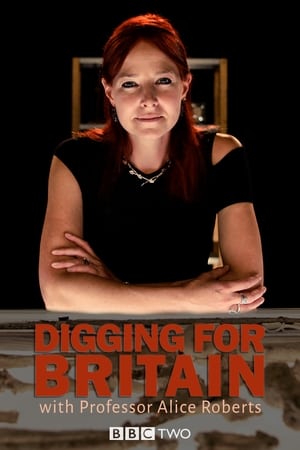
Dr Alice Roberts follows a year of British archaeology, joining up the results of digs and investigations the length of the country.
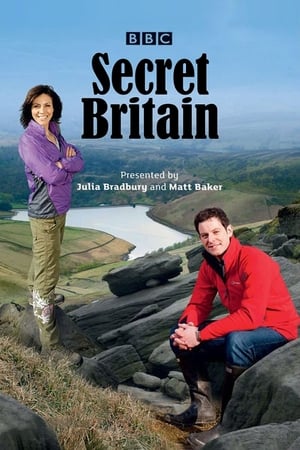
Exploring the hidden corners of the UK in search of the best the countryside has to offer.
Lucy Worsley, chief curator at Historic Royal Palaces, explores how the physical and mental health of our past monarchs has shaped the history of the nation.
Not for a generation have we been closer to war. Set against the backdrop of mounting global instability, War Room drops a cast of senior politicians, military strategists and intelligence chiefs into a high-stakes COBRA-style simulation — testing how Britain’s leaders might respond if the country was under attack. When the chips are down, what decisions will they make, and how will those decisions impact all of us?
Through this three part series Art Historian Dr Janina Ramirez tells the story of the Medieval monarchy as preserved through stunning illuminated manuscripts from the British Library's Royal Manuscripts collection.
Dr Xand Van Tulleken and Raksha Dave investigate the Great Smog of 1952 - the deadliest environmental disaster ever recorded and one of the world's worst peacetime catastrophes. Lasting just over four days, the Great Smog plunged London into a terrifyingly murky gloom - the acrid pollution seeping into homes, leaving Londoners gasping for breath, shutting down transport and emergency services, and overwhelming hospitals and undertakers alike.
Jonathan Meades gives a personal perspective of British history.
Following on from the earlier series 'Trawlermen', documentary series `Trawlermen: Hunting the Catch' follows fishermen around the clock as they embark on deep-sea fishing trips. From Shetland to Cornwall, and from the North Sea to the English Channel, cameras follow fisherman as they traverse 300,000 square miles of ocean. Each episode follows a different British fishing boat over the course of a single week as they battle the elements and hunt for a catch that will pay off for the skipper and the crew.
Andrew Marr's The Making of Modern Britain is a 2009 BBC documentary television series presented by Andrew Marr that covers the period of British history from the death of Queen Victoria to the end of the Second World War. It was a follow-up to his 2007 series Andrew Marr's History of Modern Britain.
Documentary series which ranges widely over Britain's social and cultural history, its narrative-led storytelling offering a richly immersive and varied window onto the past.
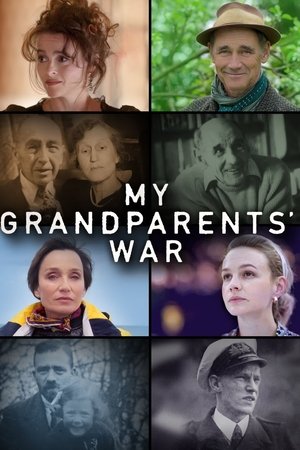
In this four-part documentary series, leading Hollywood actors undertake a fascinating journey into their family's past by re-tracing the footsteps of their grandparents during World War Two. We follow the moving, personal stories of Helena Bonham Carter, Mark Rylance, Kristin Scott Thomas, and Carey Mulligan as they travel to historic locations, from the beaches of Dunkirk to prisoner of war camps in Asia, to learn about the war their grandparents experienced. All of the actors have unanswered questions about the scars war left on their grandparents, and in each episode one of the actors explore how six years changed the lives of their family and the world forever while learning about the life and death decisions that their grandparents faced.
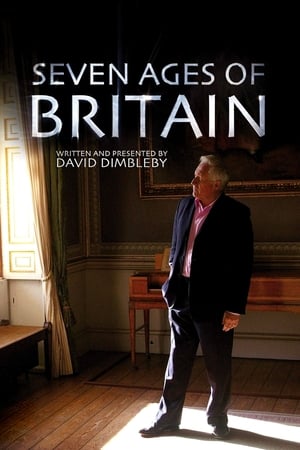
Seven Ages of Britain is a BBC television documentary series which is written and presented by David Dimbleby. The seven part series was first aired on Sunday nights at 9:00pm on BBC One starting on 31 January 2010. The series covers the history of Britain's greatest art and artefacts over the past 2000 years. Each episode covers a different period in British history. In Australia, all seven episodes aired on ABC1 each Tuesday at 8:30pm from 7 September 2010.
Presented by Dr Clare Jackson of Cambridge University, this new three-part series argues that the Stuarts, more than any other, were Britain's defining royal family.
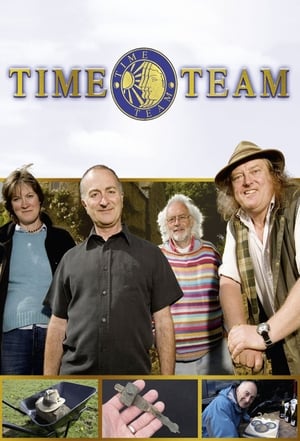
Time Team is a British television series which has been aired on British Channel 4 from 1994. Created by television producer Tim Taylor and presented by actor Tony Robinson, each episode featured a team of specialists carrying out an archaeological dig over a period of three days, with Robinson explaining the process in layman's terms. This team of specialists changed throughout the series' run, although has consistently included professional archaeologists such as Mick Aston, Carenza Lewis, Francis Pryor and Phil Harding. The sites excavated over the show's run have ranged in date from the Palaeolithic right through to the Second World War.
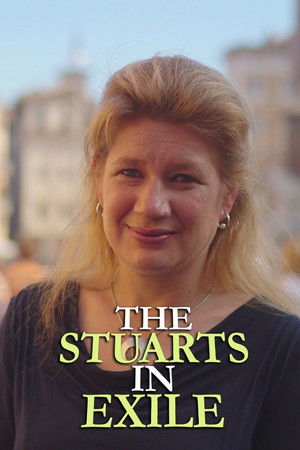
Dr Clare Jackson tells the story of The Stuarts in Exile and sheds new light on the political, military and cultural threat the Jacobite's posed to the embryonic British state. Although the '15' ultimately failed, it crystallised the stark choice facing those living in early 18th-century Britain. Are you for the Stuarts or are you for Hanoverian's?
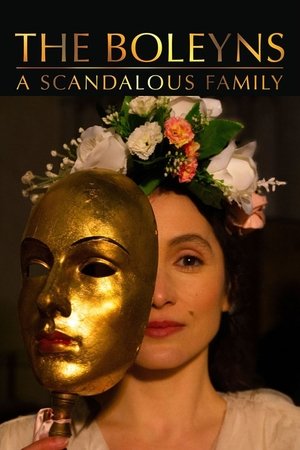
Part documentary, part historical drama, this series follows the fortunes of the different members of the Boleyn family, ultimately made notorious for daughter Anne’s marriage to Henry VIII and execution.
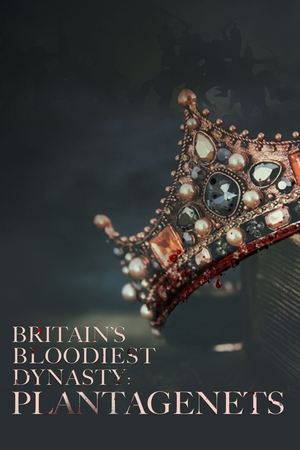
Acclaimed historian Dan Jones tells the story of the dynasty who ruled England and much of France during the Middle Ages. More shocking, brutal and exhilarating than Game of Thrones, these events actually happened.
La Grande-Bretagne Sauvage