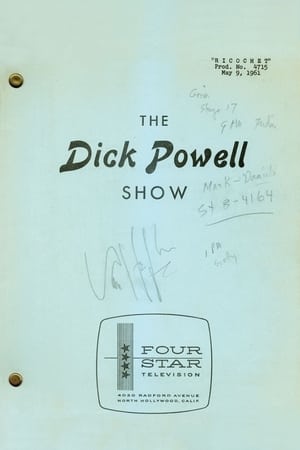
The Dick Powell Show is an American anthology series that ran on NBC from 1961- 1963, primarily sponsored by the Reynolds Metals Company. It was hosted by longtime film star Dick Powell until his death from lymphatic cancer on January 2, 1963, then by a series of guest hosts until the series ended. The first of these was Gregory Peck, who began the January 8 program with a tribute to Powell, recognizing him as "a great and good friend to our industry." Peck was followed by fellow actors such as Robert Mitchum, Frank Sinatra, Glenn Ford, Charles Boyer, Jackie Cooper, Rock Hudson, Milton Berle, Jack Lemmon, Dean Martin, Robert Taylor, Steve McQueen, David Niven, Danny Thomas, Robert Wagner and John Wayne.
Bob Hope Presents the Chrysler Theatre
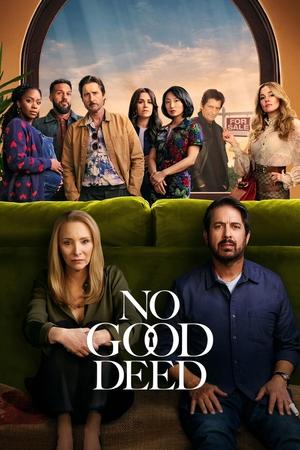
This anthology series reflects societal issues. With a circulating cast of famous actors, each episode presents a new story to remind us that what we put out into the world, we receive in turn.
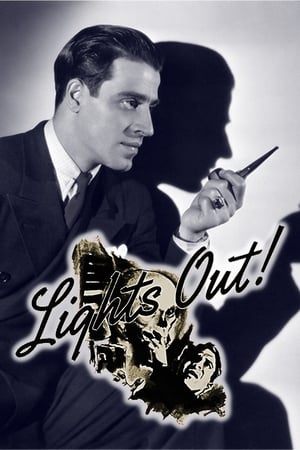
Lights Out was an extremely popular American old-time radio program, an early example of a network series devoted mostly to horror and the supernatural, predating Suspense and Inner Sanctum. Versions of Lights Out aired on different networks, at various times, from January 1934 to the summer of 1947 and the series eventually made the transition to television. In 1946, NBC Television brought Lights Out to TV in a series of four specials, broadcast live and produced by Fred Coe, who also contributed three of the scripts. NBC asked Cooper to write the script for the premiere, "First Person Singular", which is told entirely from the point of view of an unseen murderer who kills his obnoxious wife and winds up being executed. Variety gave this first episode a rave review ("undoubtedly one of the best dramatic shows yet seen on a television screen"), but Lights Out did not become a regular NBC-TV series until 1949.
An anthology series that tells astonishing and thought-provoking stories of a reality just beyond the one we know. Each episode introduces viewers to a new cast of characters who must go on a surprising journey of self-discovery in a supernatural world of witches, aliens, ghosts and parallel universes.
Join some of your favorite Pixar characters for adventures set in the world of LEGO! Each of the 5 BrickToon stories deliver familiar faces and places, with heart, humor and a LEGO twist.
A 10-part omnibus drama by 10 different scriptwriters on the theme of fathers and their sons and daughters.
"Abnormalities" records the supernatural and fantastic objects in the world and collects various strange phenomena in modern society. Whether it's an incredible horror anecdote, a bizarre urban legend, or an unknown supernatural phenomenon... every page is a cursed story.
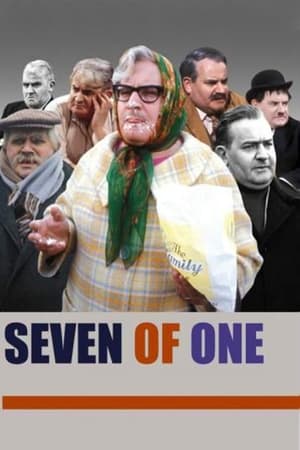
Seven of One is a 1973 BBC2 comedy anthology starring Ronnie Barker. 7 of 1 is a series of seven separate comedies that would serve as possible pilots for sitcoms, three of which were picked up for a full series run. Originally called Six of One, which Barker planned to follow up with another series called Half Dozen of the Other.
Music drama series that focuses on six different love stories about the innocence of teen love. Every love story is unique and powerful, packed with scenes that will give you butterflies. Feel the nervousness and the excitement as these young boys and girls fall into each other.
In this crime anthology series, viewers discover how an ordinary person got caught up in an extraordinary situation, ultimately revealing how one wrong turn leads to another, until it’s too late to turn back. Told from the defendant’s point of view, each episode opens in a courtroom on the accused without knowing their crime or how they ended up on trial.
Series of 54 original televised plays and classic dramas produced by public television station KCET in Los Angeles, featuring all-star talent, was broadcast nationally on the National Educational Television (NET) network and its successor PBS between 1970 and 1978.
Commemorating the 120th anniversary of Ozu Yasujiro's birth, six up-and-coming filmmakers remade six of his early silent films as a contemporary mini-series.
Letter to Loretta is an American anthology drama series telecast on NBC from September 1953 to June 1961 for a total of 165 episodes. The filmed show was hosted by Loretta Young who also played the lead in various episodes. Letter to Loretta was sponsored by Procter & Gamble from 1953 through 1960. The final season's sponsor was Warner-Lambert's Listerine.
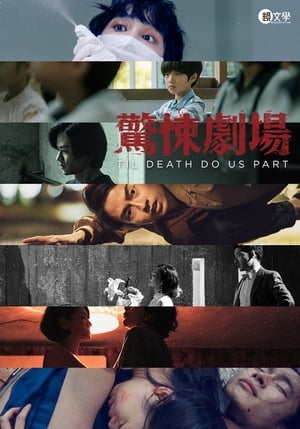
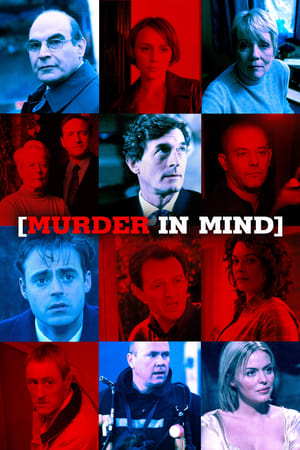
A series of self-contained stories, each recounting a murder scene as seen from the chilling viewpoint of the killer. Explore the inner workings of a criminal's brain, revealing humanity at its darkest.
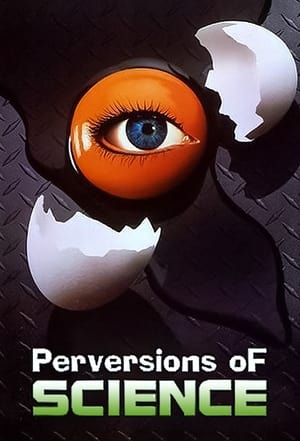
Perversions of Science is a science fiction/horror television series that ran on the cable channel HBO for one season in 1997. It is a spin-off of popular horror series Tales from the Crypt also shown on HBO, and its episodes are based on EC's Weird Science comic book series. The format of Perversions of Science is very similar to Tales From The Crypt, the show was introduced by a sexualized female robot named Chrome and then an individual episode would start. After the episode was complete, Chrome would conclude Perversions of Science. Most episodes focused on a part of science fiction such as alien invasion or space/time travel. The show featured a mix of established talent and young up-and-comers. "Panic", for instance, starred a young Jason Lee and Jamie Kennedy opposite Harvey Korman. As of 2011 the series has not been released on DVD in the US. However in 2001 it was released in Japan by Pioneer Entertainment where it has since gone out of print subsequently becoming sought after by collectors.
Chiller is a five-part British horror anthology television series, produced by Yorkshire Television, broadcast on ITV from 9 March to 27 April 1995. Described by The Guardian as ITV's 'answer to The X Files', the series is inspired by, but unconnected to, the 1991 Channel 4 thriller Gray Cray Dolls, which broadcast under the Chiller banner. The series featured writing contributions from renowned playwrights Stephen Gallagher, Glenn Chandler and Anthony Horowitz.
Startime, an anthology of drama, comedy and variety, was one of the first American television shows broadcast in color.
Anthology of real-life stories of how mental disorders affect not just the patient, but their families and friends as well, and the therapeutic methods to allay the illness before it takes a turn for the worse.
Starlight Theatre is an American anthology series that aired on CBS television from April 2, 1950 to September 20, 1951.