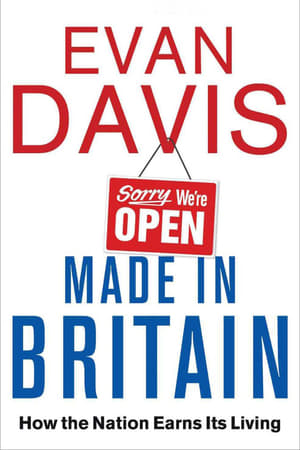
Evan Davis looks at the British economy and asks what our country is good at and how it can pay its way in the world,
Secrets of the Superfactories is a fast-paced and fact-filled documentary series that lifts the lid on the production of some of the world’s biggest, greenest and smartest factories around the globe. The series explores how everything from everyday products to iconic design is made and takes viewers into the hidden world of the hyper-efficient and flexible factories of the future.
WWII: The Lost Color Archives
Cesty za hodinářským uměním
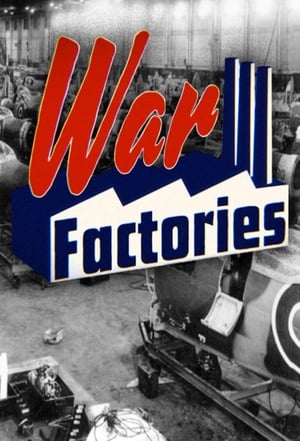
The untold secret story of war production that shaped the Second World War.
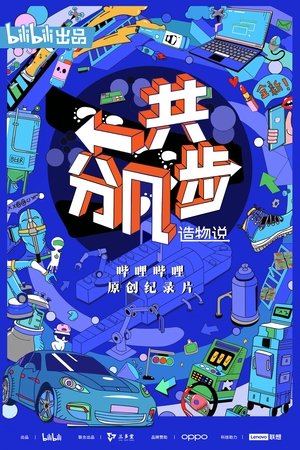
造物说:一共分几步
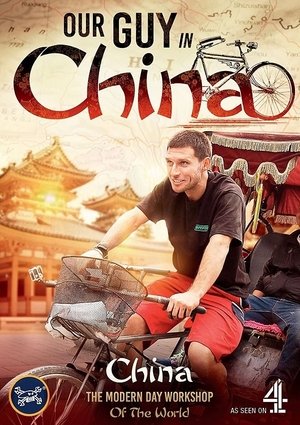
Guy Martin's love of industry and endeavour leads him to China, where he reveals the unseen side of its innovation, technological development and gigantic manufacturing.
How does it work?
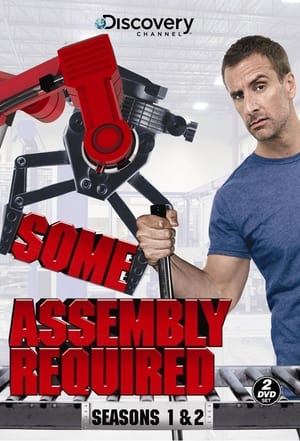
Some Assembly Required is a Discovery Channel TV series which premiered in the United States on December 27, 2007 and originally aired in 2007 and 2008. Hosts Brian Unger and physicist Lou Bloomfield explain how various things are manufactured and participate in the manufacturing process. The show is also titled as How Stuff's Made in the UK.
A look inside one of the world’s biggest startup nations - Israel, and Shenzhen, looking at how and why the city has evolved so rapidly.
Paddy McGuinness and Cherry Healey get exclusive access to some of the largest factories in Britain to reveal the secrets behind production on an epic scale.
A glimpse inside the wonderful world of Hotel Chocolat, one of Britain's best-loved chocolate makers.
Industry on Parade is a decade-long syndicated industrial television series produced by the National Association of Manufacturers, originally in collaboration with NBC and later by Arthur Lodge Productions. From 1950 to 1960, weekly episodes presented engaging short documentaries that highlighted U.S. industrial innovation, manufacturing processes, and business developments. Widely distributed to stations and educational outlets, the series promoted technological progress and American enterprise during the early Cold War era.
Today's high-end high-performance Supercars are an amazing combination of art and science. Super Car Build finds out how they do it and goes behind the scenes at some of the most legendary automotive marques to discover the hidden engineering secrets and keys to each machine's success.
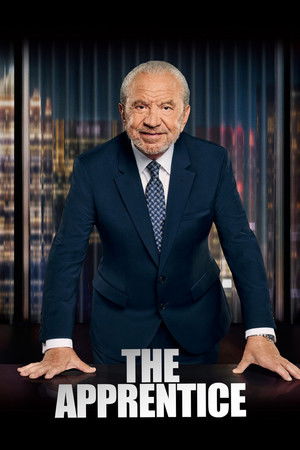
British version of the reality competitions series that sees young entrepreneurs compete in several business tasks, attempting to survive the weekly firings in order to become the business partner of one of the most successful businessmen.
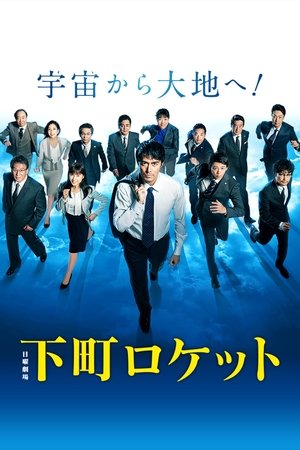
Tsukuda Kohei was once a researcher with the Aerospace and Science Exploration Agency and now runs Tsukuda Industries, a small factory which was left by his father. Although his relationship with his teenage daughter Rina is somewhat strained, business at Tsukuda Industries has gradually started to improve. But Tsukuda puts too much effort into his dream of developing a rocket engine and business declines little by little. One day, a major client suddenly declares that it is dropping Tsukuda Industries. Then, Tsukuda Industries gets sued by a big rival company, Nakashima Industries, for patent infringement. Tsukuda Industries’ reputation is hurt and financing from banks is also in a desperate situation. In the midst of this, Teikoku Heavy Industries, one of Japan’s leading corporations, offers to buy a patent which Tsukuda Industries possesses for 2 billion yen
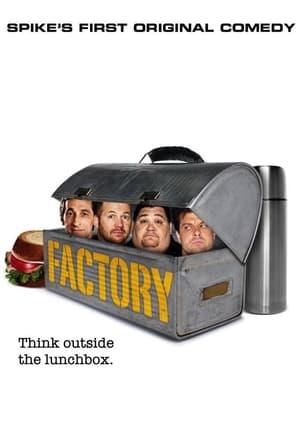
Factory was a comedy television series. It premiered on Sunday, 29 June 2008 at 10:00 p.m. Eastern/9:00 p.m. Central on Spike. The series, produced by 3 Arts Entertainment, is directed by and stars Mitch Rouse and fellow comedians Michael Coleman, Jay Leggett and David Pasquesi. The pilot episode of the show has been made available free on iTunes. The show starred and was produced by Mitch Rouse, formerly of According To Jim.
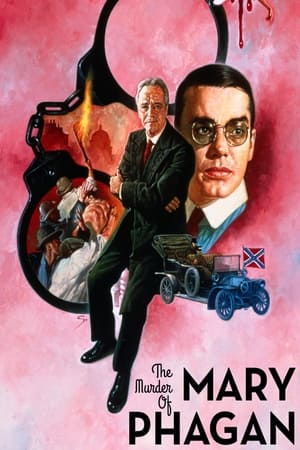
In early-twentieth-century Atlanta, the murder of a young girl prompts strong reactions from the community and ultimately leads to the arrest of a man who could actually be innocent.
Clocking Off is a British television drama series broadcast on BBC One for four series from 2000 to 2003. It was produced by Red Production Company, and created by Paul Abbott. Effectively an anthology programme that followed the lives of a group of workers at a Manchester textile factory, with each episode focusing on the private life of a different character. How much do you know about the person working next to you? From the outside, life at Mackintosh Textiles appears to run smoothly, but in a community with so many secrets to hide, things are far from straightforward. In six powerful, self-contained dramas, everyday life is fractured by tumultuous marriages, snatched passions, disappearing spouses, and gang harassment.
Making Out is a British television series, shown by the BBC between 1989 and 1991. The series, created by Franc Roddam, written by Debbie Horsfield, mixed comedy and drama in its portrayal of the women who worked on the factory floor at New Lyne Electronics in Manchester, tackling the personal lives of the characters as well as wider issues of recession, redundancy and retrenchment as the factory goes through various crises and take-overs. The music for the series was composed by New Order. The main theme for the show is an adaptation of the song "Vanishing Point". There is a specific mix of this song called the Making Out Mix.