Dvořákovy klavírní kvartety
Kousei Arima was a genius pianist until his mother's sudden death took away his ability to play. Each day was dull for Kousei. But, then he meets a violinist named Kaori Miyazono who has an eccentric playing style. Can the heartfelt sounds of the girl's violin lead the boy to play the piano again?
클래식은 왜 그래
In the tradition of Anthony Bourdain's "Kitchen Confidential" and Gelsey Kirkland's "Dancing on my Grave" comes an insider’s look into the secret world of classical musicians. From her debut recital at Carnegie Recital Hall to the Broadway pits of "Les Miserables" and "Miss Saigon," Blair Tindall has played with some of the biggest names in classical music for twenty-five years. Now in "Mozart in the Jungle," Tindall exposes the scandalous rock and roll lifestyles of the musicians, conductors, and administrators who inhabit the insular world of classical music.
A highly accomplished conductor decides to leave her life in New York behind to take up the challenge of reviving a struggling orchestra.
A group of musically gifted and ethnically diverse children travel around the world in an artificially intelligent rocket named Rocket.
Moon Ha-won is an AI programmer and he is the founder of AH Company. He is a consistent person with a good heart. Meanwhile, Han Seo-woo works as a classical music recording engineer. Her life is unstable without a family or house, but she is a positive person.
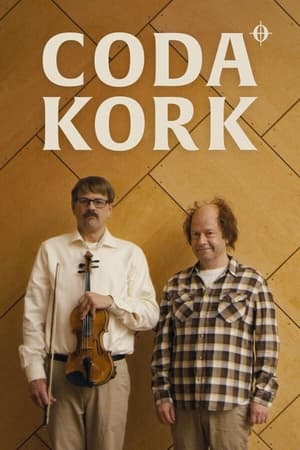
The Norwegian Broadcasting Symphony Orchestra (KORK) is about to get shut down. How will the musicians react? This humorous mockumentary shows you.
100 years after the Earth's population and environments are in near complete destruction by what is known as the 'Great Transition', the only resources that can be found are through the mythology and secrets of the Masters of Classical Music from centuries ago and have been useful in salvaging the world to a more stable state.
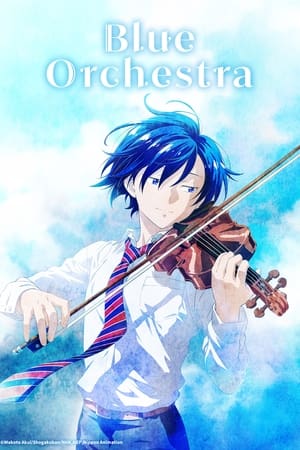
In the fall of his third and final year of middle school, Hajime Aono, a violin prodigy, stopped playing violin for his own personal reasons. But it was also that year when he got to know a girl who told him about a high school with a prestigious school orchestra. Suddenly, the gears in the clock of Aono's life began to turn again. This is the story of a youth drama that brings forth the harmony between music and the heart!
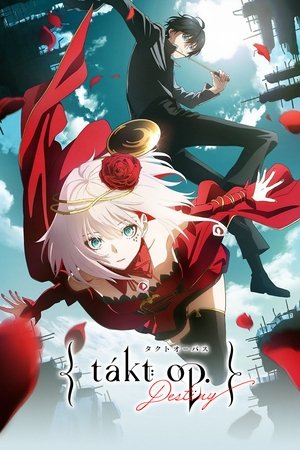
Music is the light that illuminates people's hearts-- and that "light" was suddenly taken from the world. The world changed the night the black "Kuroya Meteorite" fell. Grotesque monsters known as D2 emerged from the meteorite and began to overrun the land and people. As the D2 were drawn to melodies people played, eventually "music" itself became taboo. However, those who opposed the monsters appeared. They the "Musicart," girls who draw power from music. They possess the great operas and musical scores of humanity history and use them to defeat the D2.
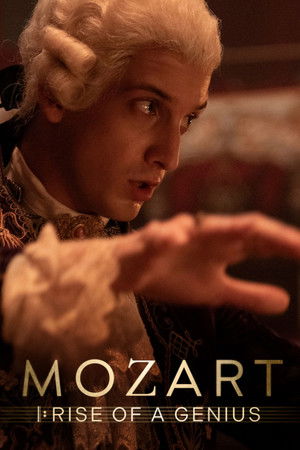
The story of Wolfgang Amadeus Mozart - a child prodigy, a flawed human being and one of the greatest composers to have ever lived.
“The Bell Telephone Hour” was a musical variety show that aired on “NBC” TV from 12 January 1959 to 14 June 1968 that showcased the best in Broadway, Classical, Concert, Jazz and Popular music each week. The series had its’ own house band appropriately named the “Bell Telephone Orchestra”. The show also had its’ own theme song being the “Bell Waltz” composed by “Donald Voorhees” who was also the show's Orchestra conductor. Some of the greatest violinists of the 1960’s performed on this show that aired in the old “Black & White” format. Some of these great violinists included “Erica Mornin”, “Isaac Stern", "Michael Rabin", "Ruggiero Ricci", "Yehudi Menuhin" and "Zino Francesacatti". From time to time some of the great singers and bandleaders of the 1960’s would perform on the show as well. Some of these were “Bing Crosby”, “Gordon MacRae”, “John Gary”, “Leslie Uggams”, “Mary Martin”, “Nelson Eddy”, “Patti Page” and “Roy Rogers”. The TV show followed on the heels of its’ predecessor with the same name on “NBC” radio that aired from 29 April 1940 to 1958 on Monday nights at 8 PM. The name of the show was derived from its’ Major sponsor “Bell Telephone Laboratories”. The TV version began airing on Friday nights at 8:30 PM once a month. It later was given it’s same time slot now airing every other week alternating with another show on the other weeks such as News shows and specials. The show time slot changed quite often over the years. In September 1960 it aired at 9 PM and in September 1961 it moved to 9:30 PM. In October 1963 it moved to Tuesday nights at 10 PM, September 1965 it moved to Sunday night at 6:30 PM and in September 1967 it made its' final move back to Friday night at 10 PM.
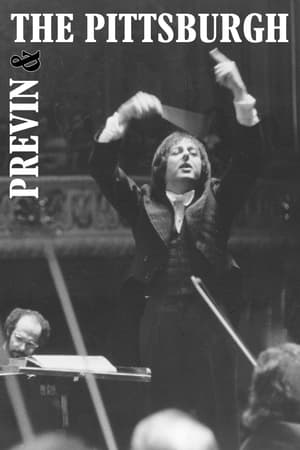
Renowned composer, conductor, and pianist Andre Previn welcomes one or more musical guests for conversation and performance, either accompanied by Mr. Previn on piano or in concert with the Pittsburgh Symphony Orchestra. Produced by WQED and syndicated nationally on PBS, the series was notable among musical performance programs for its deft camera work and editing. The episode The Music That Made the Movies was nominated for an Emmy for Outstanding Music Direction.
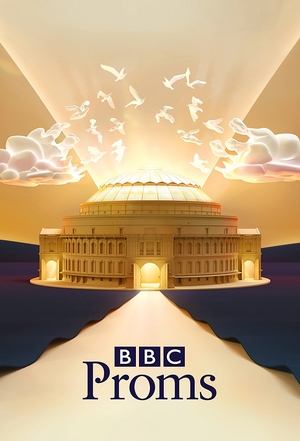
The World's Greatest Classical Music Festival. The BBC Proms is a classical music festival held every summer at the Royal Albert Hall in London, and in recent years has explored an innovative series of Proms around the UK with concerts in all four nations. Its aim: to bring the best in classical music to the widest possible audience, which remains true to founder-conductor Henry Wood’s original vision in 1895. Whether you are a classical connoisseur or think classical music isn’t for you, there is something for everyone in the eight-week stretch of concerts.
Classical Destinations: The Great Composers
Celebrated American pianist Vladimir Horowitz in his first televised piano recital, taped at Carnegie Hall on February 1, 1968, and broadcast nationwide by CBS on September 22 of that year.
Hudební perličky Pavla Šporcla
Animated series featuring the eponymous jerboa, Klassik. In this silent retelling of classic Greco-Roman mythology, Klassik survives by the skin of his tail against foes like the mighty bear Cyclops or the fearsome mole Medusa. All this is accompanied by classical scores, from the likes of Brahams to Tchaikovsky, giving this Flipnote Studio-animated classic a style which is uniquely its own.
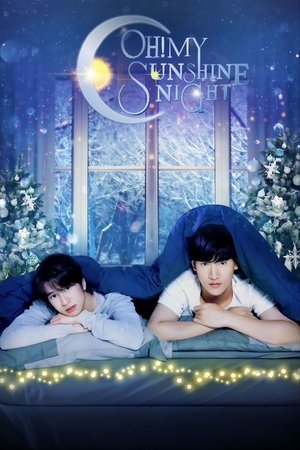
Khim, a reserved student, bonds with Sun, an optimistic guitarist with heart disease, amid family conflicts, misunderstandings, and challenges that shape their fate.