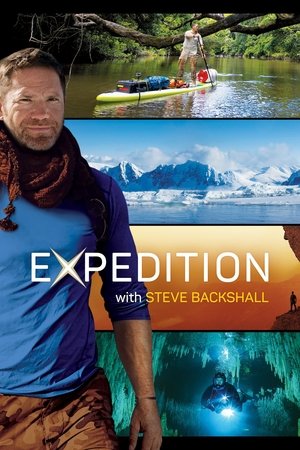
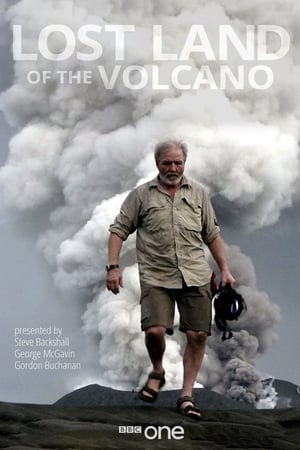
The naturalist visits uncharted territory in pursuit of new discoveries. Steve Backshall takes on physical challenges, encounters extraordinary wildlife and meets remarkable people.
Amerikas Naturwunder
Combining fact and informed speculation with cutting-edge computer graphics and animatronics effects, the series set out to create the most accurate portrayal of prehistoric animals ever seen on the screen.
Cattle - with horns - are the focus of this documentary series by the French filmmakers, who decided to bring us closer to the most famous horned domesticated creatures on the planet. Their ancestors lived on Earth 18 million years ago. It was a small, forest-dwelling mammal - and in the course of evolution, this little antelope became the direct ancestor of the now-extinct turo. The human hunter who pursued these ungulates became the herder - and eventually evolved the ox, zebu, buffalo or whatever... Follow in the footsteps of the horned ungulates without which man could not exist today.
Filmed over the course of more than six years at some of nature's most spectacular locales – from Acadia to Yosemite, Yellowstone to the Grand Canyon, the Everglades of Florida to the Gates of the Arctic in Alaska - “The National Parks: America's Best Idea” is nonetheless a story of people: people from every conceivable background – rich and poor; famous and unknown; soldiers and scientists; natives and newcomers; idealists, artists and entrepreneurs; people who were willing to devote themselves to saving some precious portion of the land they loved, and in doing so reminded their fellow citizens of the full meaning of democracy.
PBS' premier science series helps viewers of all ages explore the science behind the headlines. Along the way, NOVA demystifies science and technology, and highlights the people involved in scientific pursuits.
Lifestyle related diseases, physical pain, and mental health. This program focuses on medical and health issues of interest, exploring effective countermeasures as well as methods of prevention.
Living Britain is a six-part nature documentary series, made by the BBC Natural History Unit, transmitted from October to December 1999. It was produced by Peter Crawford. It examines British wildlife over the course of one year. Each of the programs takes place in a different time of year.
The third series of this nature documentary uses the very latest in underwater filming techniques to reveal brand new and untold stories from magical underwater worlds focusing on five major underwater habitats: the tropical seas, temperate seas, polar seas, high seas and deep seas.
Stories from the perspective of some of the world's oldest living creatures - trees. Each tree is located in a completely unique habitat around the world, and hosts, feeds and shelters an array of animals in its embrace.
Filmed in Sweden and Norway, this documentary series follows adventure-traveler and BBC journalist, Simon Parker, as he embarks upon a 2,000 mile / 3,500 KM cycling adventure from the North Cape to Smygehuk – the full length of the Scandinavian Peninsula. On his journey, Simon charts the seasonal cycles of the natural world, as summer is transitioning into autumn.
The cameras follow the lives of human and animal families living in Kenya’s Samburu National Reserve. They also follow the story of a safari camp run by wildlife expert Saba Douglas-Hamilton and an elephant conservation charity run by her husband Frank Pope.
Documentary revealing the weird and wonderful stories of some of the natural world's most incredible parents.
Two-part natural history series following the fortunes of one very special pack of wolves as they return to North America's West Coast.
Bill Pullman introduces and narrates this four-part documentary on the world's first national park, Yellowstone.
The sexual behaviour and intriguing reproductive strategies of the animal world.
Long-running travel programme
All In Earth's 4 billion year history, nature has solved all of lifes problems, from the highest mountain to the deepest ocean. Evolution is the ultimate inventor and many of mans most clever engineering solutions have exact counterparts in nature. In three amazing episodes, NatureTech views our world with fresh eyes, where nature and technology stand hand in hand.
The series will deploy the most advanced Spy Creatures ever created to infiltrate groups of apes and monkeys. Sophisticated AI will enhance the Spies ability to communicate, allowing them to use the same calls and facial expressions as the primates they encounter.
Chris Packham uses groundbreaking science and brand-new behaviour to delve deep beneath the skin and discover the unique features that have made certain animal groups successful.