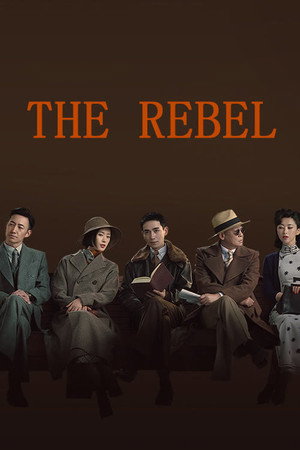
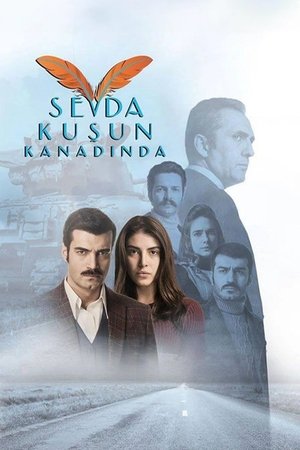
After ten years of knowledge and choice, after the victory of the War of Resistance Against Japan, Lin Nansheng has grown into a true Communist Party member. And at the critical moment of the War of Liberation, he made outstanding contributions to the party and the country.
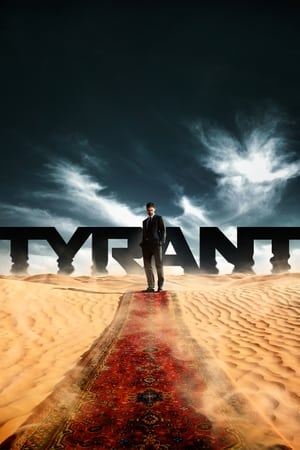
The story of an unassuming American family drawn into the workings of a turbulent Middle Eastern nation. Bassam "Barry" Al Fayeed, the younger son of the dictator of a war-torn nation, ends a self-imposed 20-year exile to return to his homeland, accompanied by his American wife and children, for his nephew's wedding. Barry’s reluctant homecoming leads to a dramatic clash of cultures as he is thrown back into the familial and national politics of his youth.
盘龙卧虎高山顶
冷风暴
El Judici
Révolte
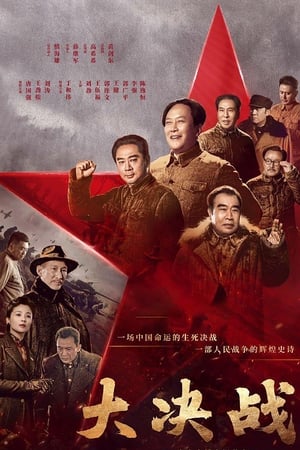
For the first time, the drama "Decisive Victory" presents a panoramic view of the three major battles of Liaoshen, Huaihai and Pingjin in the form of a TV series, presenting a dramatic battle of China's destiny. It presents the three battles in three dimensions by telling the stories of strategy, tactics and battles and presents a vivid individual in the grand war through colorful characters.
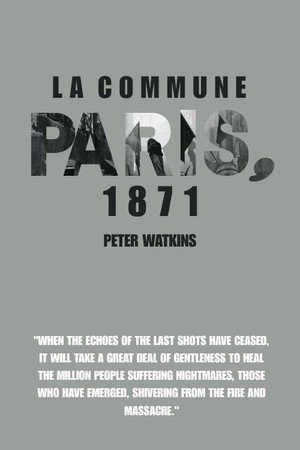
In 1871, a journalist for Versailles Television broadcasts a soothing and official view of events while a Commune television is set up to provide the perspectives of the Paris rebels. On a stage-like set, more than 200 actors interpret denizens of the Commune, especially the Popincourt neighborhood in the XIth arrondissement. They voice thoughts and feelings concerning the social and political reforms.
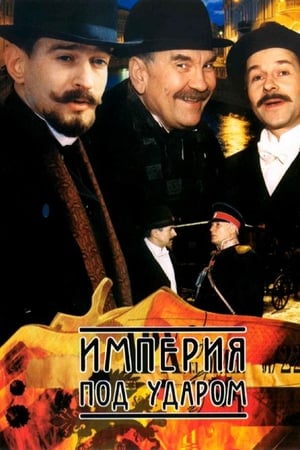
The story of an empire: From its founding in 1922 to its dissolution in 1991, the Soviet Union was shaped by revolutionary idealism, but also by oppression and decay. The USSR evolved from Stalinist terror through the Thaw under Khrushchev to political processes such as glasnost and perestroika under Gorbachev. Finally, in 1991, it collapsed.
长征大会师
Sevda Kuşun Kanadında
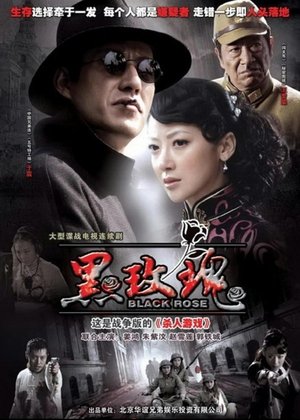
黑玫瑰
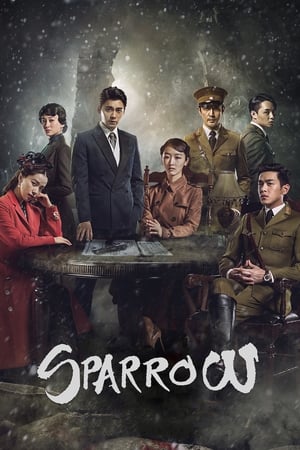
This drama is set during the revolutionary time in Shanghai, based on a novel of the same name of Hai Fei. During the republican revolution, Chen Shen is a secret agent under Special Operations Executive Director Bi Zhongliang, among the agents called “sparrow” (similar to the program “zero” in Japan)
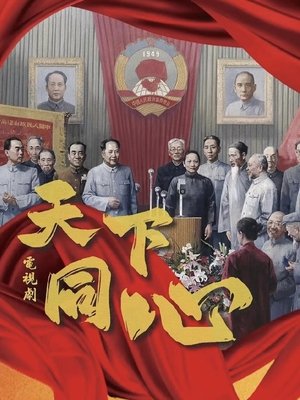
In 1948, amid political turmoil, the Chinese Communist Party invited democratic leaders and even Nationalist defectors to collaborate on building a new China. Led by Mao Zedong, their vision of unity, democracy, and peace inspired figures across political divides to establish an independent and united nation.
A group of young men and women in Dublin in 1916 are embroiled in a fight for independence during the Easter Rising. The story begins with the outbreak of World War I. As expectations of a short and glorious campaign are dashed, social stability is eroded and Irish nationalism comes to the fore. The tumultuous events that follow are seen through the eyes of a group of friends from Dublin, Belfast and London as they play vital and conflicting roles in the narrative of Ireland's independence.
During the turbulent 19th century, a number of brilliant French artists developed the Romantic movement in Paris: writers Victor Hugo, Alexandre Dumas, George Sand, Honoré de Balzac and Charles Baudelaire, painter Eugène Delacroix and composer Hector Berlioz, among others, changed the way of looking at art and created enduring works that have inspired the world to this day.
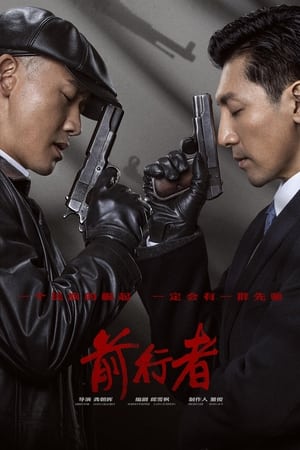
In 1931, due to betrayal by traitors, the party's underground organization in Shanghai was severely damaged, and the revolutionary cause fell into white terror. Ma Tian Mu, a young party member who was injured in the Northern Expedition was ordered to go to France. Under the guidance of his superior Wu Zhong Xin and the cooperation of comrades, he walked among all kinds of bureaucratic gentry and police gangs.
1822: Uma Conquista dos Brasileiros
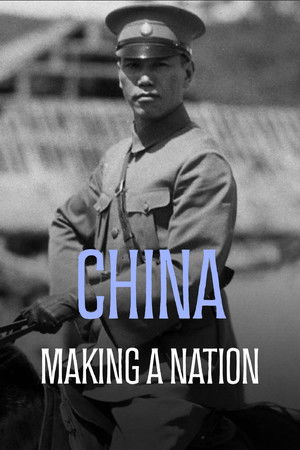
China: The Making of a Nation is the story of the painful transformation of the vast Qing Empire into the Chinese nation after the 1911 revolution. Spanning more than a century up to the Xi Jinping era, the story pits the two pivotal leaders of this transformation against each other: Chiang Kai-shek, leader of the Republic of China for 47 years, and Mao Zedong, who rose from ‘red bandit’ to master of the mainland in 1949. Sworn enemies, they fought a merciless battle: first military, then diplomatic, and finally, beyond their deaths, in the conflicting memories of the Taiwanese and the Chinese of the People's Republic. Beyond their fierce hatred, the two tyrants also had much in common: a certain vision of Chinese territory and the greatness of China, the desire to regain the country's sovereignty and the quest for a Chinese identity in a nation that also includes Tibetans, Uighurs, Mongols... and a certain ability to rewrite history.
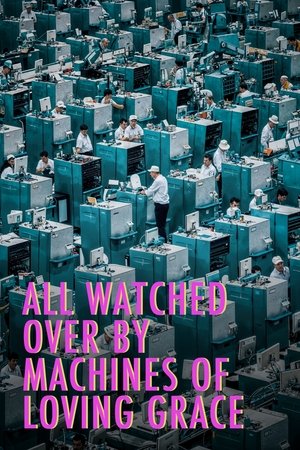
We have been colonised by the machines we have built. Although we don't realise it, the way we see everything in the world today is through the eyes of the computers.