A woman who lost her memory after experiencing the atomic bombing of Hiroshima.
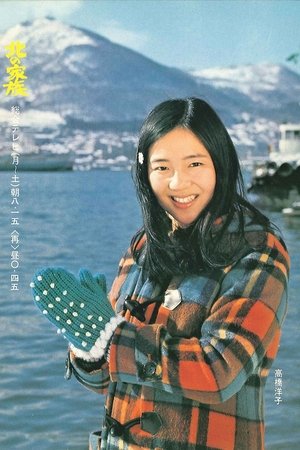
The 13th NHK Asadora. Starring Youko Takahashi in a story about a brother and sister coming of age in Hakodate and Kanazawa.
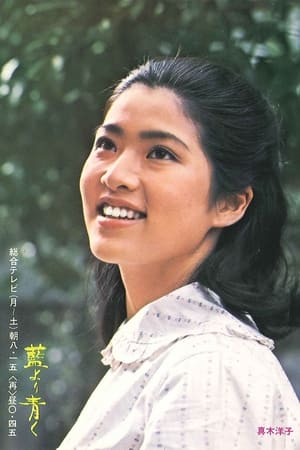
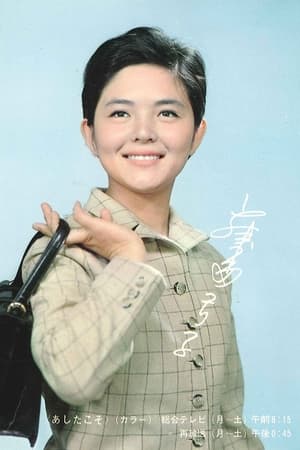
The 12th NHK Asadora. Set in Amakusa, Kumamoto Prefecture, at the end of the Pacific War. Maki is the heroine, married to Shuichi who must go to war. She stays home and takes on the role of other war widows, managing business and a Chinese restaurant.
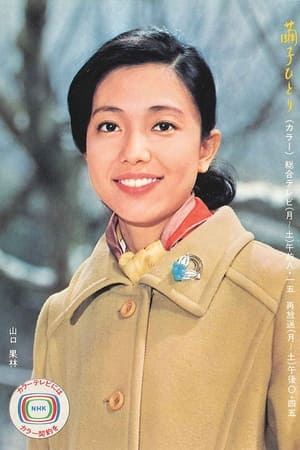
Kano is known as a "cocoon child" whose father is an agriculturist. Her mother disappeared when she was little and since then Kano has been wondering why her mother left her thus changing the shape of her life.
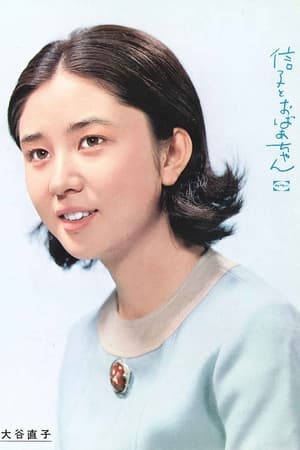
The 9th NHK Asadora. Starring Naoko Otani as a young woman living with her grandmother.
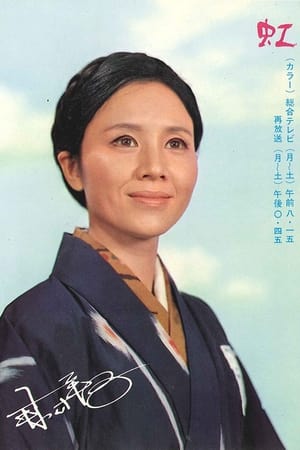
Starring Yōko Minamida as a woman who supported her family during and after World War II. All episodes are missing from the NHK archives, though a brief clip does survive as part of a contemporary news segment documenting the drama's production.
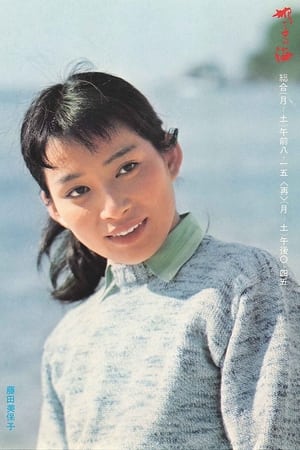
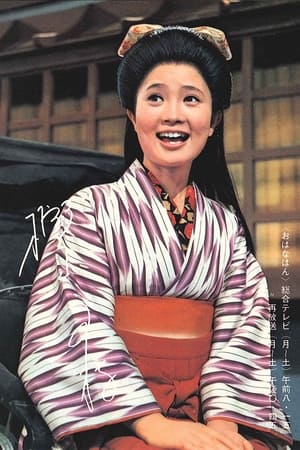
The 8th NHK Asadora. Starring Yumiko Fujita in a family drama. The first Asadora filmed in color.
The 7th NHK Asadora. Starring Tadashi Yokouchi in a narrative about an employee of the national railroad living through 50 years of modern history with his wife.
The 15th NHK Asadora. Starring Shinobu Otake in a story about a young woman striving to become a doctor and her mother, who is a nurse. The first six-month Asadora. Average rating of 40.1%.
Okuhara Natsu was born in Tokyo in 1937. In 1945, she loses both parents to war and becomes an orphan, but her father’s comrade, Shibata Takeo, takes her in and moves to Tokachi in Hokkaido. In an unfamiliar land surrounded by unfamiliar people, Natsu feels lost at first, but surrounded by Tokachi’s vast nature and its strong, yet compassionate people, she grows up to be a strong girl. When Natsu enters elementary school, she meets Yamada Tenyo who draws lovely pictures of horses. Tenyo tells her that in America, animation in which pictures move is becoming popular, Natsu’s curiosity is piqued. Upon graduating high school, Natsu goes to Tokyo to look up her brother, and takes a jump into the world of animation.
Tetsuhiko Toma is a surgeon who studied in the United States. He begins work at a private hospital in a rural area in Japan. He believes that people should receive the same level of care at all hospitals. Guided by those principles, he takes on challenging surgeries and saves the lives of patients. Tetsuhiko Toma attempts an internal organ transplant for the first time in Japan, but the health care system blocks him.
The 6th NHK Asadora. Starring Fumie Kashiyama as a woman, born in the Meiji era, who raises a family by herself.
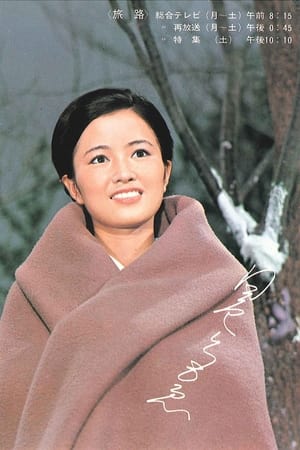
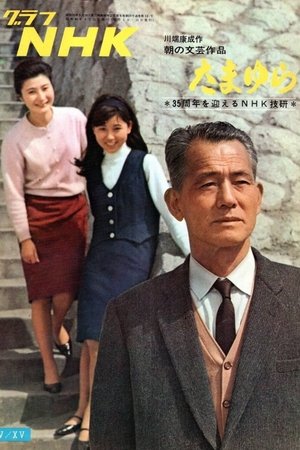
The 5th NHK Asadora. Starring Chishuu Ryuu as an old man who begins to travel after he retires. From a story written for television by Yasunari Kawabata.
The 3rd NHK Asadora. Starring Shin Saburi as a professor who quits the university to become a painter.
The 2nd NHK Asadora and the first Asadora to be broadcast in 15-minute episodes Monday through Saturday. Starring Fumiko Watanabe in a drama of a poor family after the war.
A television serial that was in turn adapted from a radio series and a novel, My Daughter And I featured a Japanese novelist who is married to a French woman who have one daughter. The man and his daughter begin a new life when the woman dies. Having difficulty spending time with his daughter, the man sends his daughter to a Christian boarding school. He remarries and brings his daughter back home. After the end of the World War his lot improves professionally, yet his second wife dies.
Ichiro is a PE teacher in 1986 feared by his students for a "tough love" approach, harsh tongue and frequently “inappropriate” behavior. He’s also a dad trying to raise a rebellious daughter after having lost his wife to illness. When he gets transported in time to 2024, he encounters modern sensibilities that teach him about empathy but also gives people of today a reason to rethink their own political correctness in this time traversing comedy about change.
Born in 1937 in Osaka as the eldest daughter, Kawahara Kimiko moves to Shigaraki with her family at the age of 9. She works to support her family from a young age. Eventually, she jumps into the male world of pottery and becomes a pioneer of female ceramic arts. After marrying her husband who is also involved in ceramics and owning her own kiln, she raises her two children while struggling to create unique ware.
In the early Showa era, Japan’s first women’s law school opens, and the protagonist, Inotsume Tomoko, gains nationwide attention as one of the first female lawyers in the country. However, after facing wartime Japan’s harsh realities and losing everything, she becomes a judge with her legal knowledge and dedicates herself to establishing the family court. She stands passionately for the hardships that politics and economics cannot solve.
Taking place in the year 1937 on the eve of World War II, the story involves a mysterious spy training organization known as the "D Agency." The organization is established by Lieutenant Colonel Yuuki from the Imperial Japanese Army. His ideals lead him to recruit people beyond military academy graduates and personnel, while training them to become skilled agents in arts of manipulation. These agents would become a specialized team to conduct operations. One such antihero agent, under the name Jirou Gamou, goes on a harrowing mission to uncover secret documents titled "Black Notes," while battling forces from within and without his own ranks.