Deutschland, warum bist du so?
Taking viewers back to the Atomic Age of the mid-20th century by going on a mission to identify the endless possibilities of atoms as an energy source.
Exploring the unbelievable true stories of suspicious deaths by retracing the investigation from start to finish, dissecting the red flags and undeniable evidence, and strange behavior that put the tragedy in question.
Pandora's Box is a six-part 1992 BBC documentary television series which examines the consequences of political and technocratic rationalism. The episodes deal, in order, with communism in The Soviet Union, systems analysis and game theory during the Cold War, economy in the United Kingdom during the 1970s, the insecticide DDT, Kwame Nkrumah's leadership in Ghana during the 1950s and 1960s and the history of nuclear power.
The three part series explores the presidency, policies and long term impact of Ronald Reagan's two terms in office. The series includes notable members of Reagan's team as well as many who opposed his policies. Interview subjects include Walter Mondale, Condoleezza Rice, Sandra Day O'Connor, Andrew Young, Robert Reich, Bud McFarlane, George Shultz, Reza Aslan, Trita Parsi, Douglas Brinkley, Svetlana Savranskaya, Oscar Arias and others.
Hell Below is an event-based series charting the stealth game of sub sea warfare, tracking the dramatic narrative from contact to attack of the greatest submarine patrols of World War II. From the rise of the Wolfpack to the drive for victory in the Pacific, we profile the strategic masterminds and the rapid evolution of technology and tactics, as the threat of undersea warfare brings every sailor's worst nightmare to life. Expert analysis and stock footage are woven with narrative driven re-enactments filmed on authentic Second World War era submarines to place the characters at the heart of the action.
Montagu, Garbo, Fuchs, Penkovsky... they were the greatest spies of the twentieth century. Through analysis of declassified documents, archives, reconstructions, and interviews, “Spies of War” offers you a glimpse into the minds and methods of undercover operatives. Discover the tactics for transmitting top secret information. See how one man assumed 24 identities to simulate the existence of a spy ring. Witness how scientists provided the USSR with ultra-confidential plans for the atomic bomb.
L'Armée rouge
Submarines: Sharks of Steel
The story of an empire: From its founding in 1922 to its dissolution in 1991, the Soviet Union was shaped by revolutionary idealism, but also by oppression and decay. The USSR evolved from Stalinist terror through the Thaw under Khrushchev to political processes such as glasnost and perestroika under Gorbachev. Finally, in 1991, it collapsed.
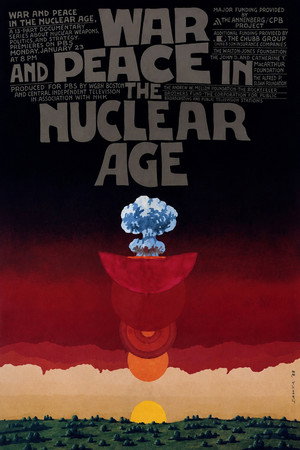
War and Peace in the Nuclear Age, first broadcast in 1989, is a thirteen-part PBS series on the origins and evolution of nuclear competition between the United States and the former Soviet Union. The series examined the rivalry for power and how it shaped the diplomacy, negotiation, ethical debates, and doctrine of deterrence that ran through the forty-year history of the nuclear age. This collection contains the full interviews and selected stock footage from the series.
Secrets are divulged and stories of espionage, conspiracy, murder, sabotage and greed are uncovered.
The story of the underwater war between US, UK and Soviet submarines in the second half of the 20th century.
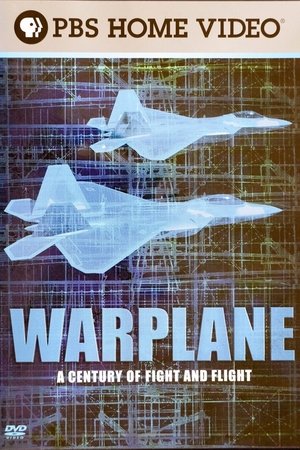
The warplane has evolved over nearly a century to become what it is today, in 2004. This series is the story of how, through life-and-death necessity, invention, ingenuity and sheer hard work that warplane technology evolved. The Warplane series is not a history of every military plane but rather a look at the major stepping stones that advanced military aviation.
The story of this fantastic period of history between 1945 and 1991, which was defined by the confrontation of two worlds and two systems. The capitalist West, dominated by the ever-powerful United States, is pitted against the Communist East, the Soviet Empire.
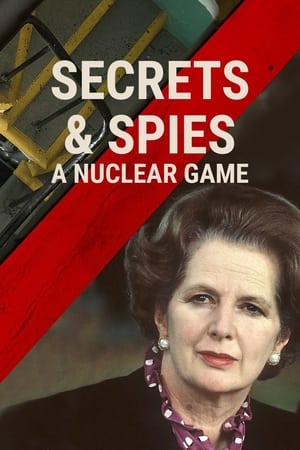
Journalist Charles Moore, who wrote Margaret Thatcher's authorised biography, explores her extremely close relationship with US President Ronald Reagan. These two leaders came together in the shadow of the Cold War and nuclear armageddon, and Charles meets the people who were in the room with them as they faced the great challenges of their age.
The series covers the events of the ethnic clashes in Târgu Mures after the fall of the communist regime. The author has arranged the written and film material collected by the Dr. Bernády György Foundation in chronological order. The archival photos showing the important events of the five days, the moments that created the revolutionary atmosphere, are complemented by the recollections of Hungarians and Romanians, and official statements.
A chronicle of John F. Kennedy's life, including his youth, ascension into politics, presidency, and his lasting impact on history.
Michael Palin explores European countries that were once behind the Iron Curtain.
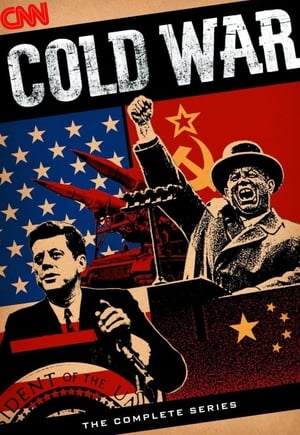
A 24-part series which deals with the relations between the United States, the Soviet Union and their respective allies between the end of World War II to the collapse of the Soviet Union in 1991.