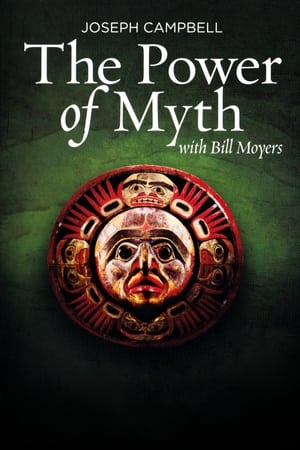
The Power of Myth is a television series originally broadcast on PBS in 1988 as Joseph Campbell and the Power of Myth. The documentary comprises six one-hour conversations between mythologist Joseph Campbell and journalist Bill Moyers.
What are the tell-tale signs of a serial killer in the making? Inside The Mind of a Serial Killer reveals what makes them tick and uncovers the trademark signs for spotting murderers in the making.
Die Geschichte der Fantasy
Horizon tells amazing science stories, unravels mysteries and reveals worlds you've never seen before.
Documentaries are broadcast every week on Dutch TV Channel NPO 2 under the name 2Doc: inspiring stories of the here and now.
The definitive documentary on one of the most relevant and popular figures of literature and television in Spain in the second half of the 20th century: Terenci Moix.
Autoren erzählen
Stefan Molyneux, host of Freedomain Radio, travels to California to explore all of the political, economic, moral and demographic complexities of the Golden State. What he learned astounded him—what he shows you will shock you…
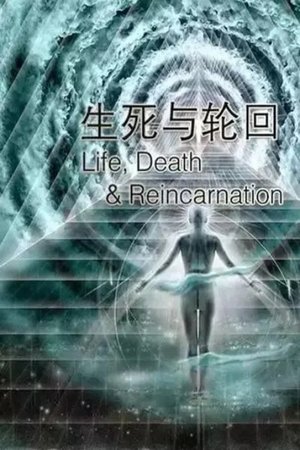
An epic adventure that aims to unravel the mystery at the heart of our existence: the questions of our identity and our destiny. The series features some of the world’s most baffling real life stories and exciting findings in the fields of consciousness studies, near-death experiences and past-life memories. Adventurous researchers following the evidence where it leads them have discovered that the lines of evidence converge to a conclusion that is refreshingly new – yet perennially known.
Notre cerveau nous joue des tours
Amour, haine et propagande
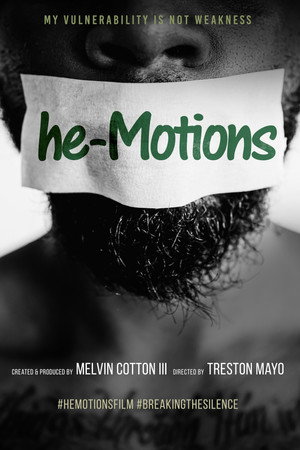
A two part film series exploring the struggles, strength & healing of Black men. “My Vulnerability is NOT weakness.”
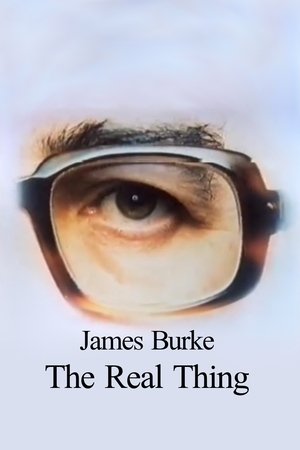
Asking how you tell what's real and what isn't sounds like an obvious question. But in this series of six programmes, James Burke shows that the more you think about it the harder it is to answer. After all, what have you got, apart from your five senses, to prove those senses are giving you the real thing?
Are you spending hours of your day swiping left and right on Tinder? It’s normal as the app was created to be addictive by activating dopamine in your brain with every swipe drawing you in further.
In Ideas of the 20th Century, Dr. Daniel Bonevac examines the major intellectual movements that shaped modern Western thought. Beginning with the Scientific, Agricultural, and Industrial Revolutions, the course explores how traditional beliefs came under pressure, creating tensions between human freedom and scientific determinism and contributing to cultural and political upheavals. Through the ideas of thinkers such as Nietzsche, Marx, Freud, and the existentialists, as well as debates over totalitarianism, liberty, language, truth, and justice, the course traces the search for meaning in the modern world. By connecting philosophy, politics, and culture, it reveals how the central ideas of the 20th century continue to shape contemporary society and the challenges facing Western civilization today.
The legacy of famed psychoanalyst Sigmund Freud informs the lives of people throughout the world even to this day, though it's a phenomenon to which most are unaware. The film is an exhaustive examination of his theories on human desire, and how they're applied to platforms such as advertising, consumerism and politics.
In Introduction to Philosophy, a nine-hour course, Dr. Bonevac guides us through the major traditions of Western philosophy in eight engaging lectures on ethics, metaphysics, and epistemology. We explore three key ethical frameworks—virtue ethics, deontology, and consequentialism—before tackling fundamental questions about reality, from realism to idealism. The course then examines theories of knowledge, weighing skepticism’s doubt, rationalism’s innate ideas, and empiricism’s reliance on experience. Finally, we consider how these philosophical traditions continue to shape debates about morality, reality, and human understanding today.
Is the modification of the human genome ethical? Is sustainable consumption at a low price possible? Are food intolerances just a passing trend? Professor of psychology Bertolt Meyer discusses controversial issues with specialists.
Churches: How to Read Them
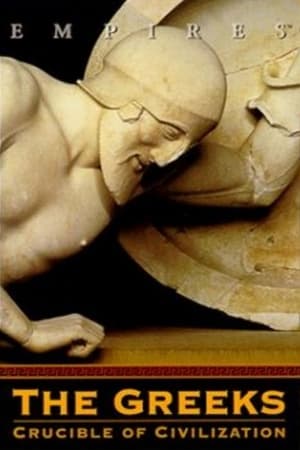
In the fourth and fifth centuries, B.C., the Greeks built an empire that stretched across the Mediterranean from Asia to Spain. They laid the foundation of modern science, politics, warfare and philosophy, and produced some of the most breathtaking art and architecture the world has ever seen. It was perhaps the most spectacular flourishing of imagination and achievement in recorded history.