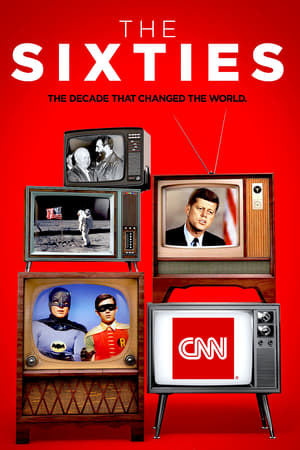
The space race, the cold war, "free love," civil rights and more: The decade of the 1960s shaped our history -- and changed the world. In collaboration with Tom Hanks, Gary Goetzman and Mark Herzog, CNN explores perhaps the most transformative decade of the modern era in a 10-part documentary series and brings new insights into how those events shaped today.
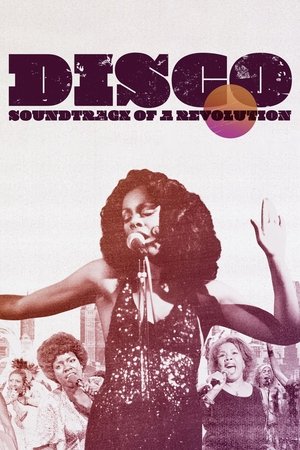
From the basement bars of 70s New York to the peak of the global charts, this is the story of how disco conquered the world: its origins, its triumphs, its fall and its legacy.
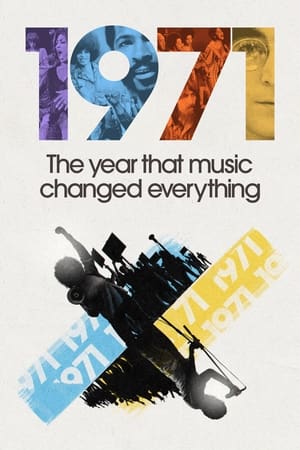
In a tumultuous era, 1971 was a year of musical innovation and rebirth fueled by the political and cultural upheaval of the time. Stars reached new heights, fresh talent exploded onto the scene, and boundaries expanded like never before.
In the 1970s, Detroit was experiencing an economic boom, but the idyllic suburban life ended abruptly when four children were abducted and killed by the Oakland County Child Killer in the dead of winter. Follow writer J. Rueben Appelman, Detective Cory Williams, and families of the victims in their mission to unravel one of America’s most baffling crimes.
Det Chris Loudon re-opens the cold case of Pam Maurer, a 16-year-old high school student who was murdered and dumped in Lisle, Illinois in 1976.
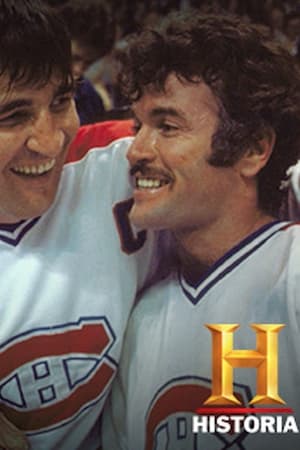
Les Canadiens : la dynastie des années 70
Unknown histories take center stage as the hitmakers themselves - from ABBA to T-Pain - explore dimensions of pop music you never knew existed.
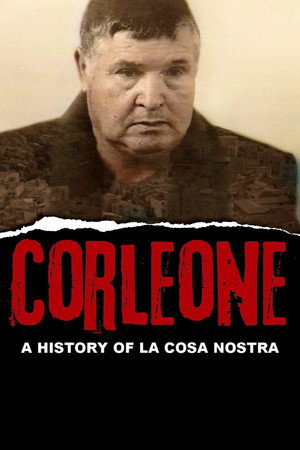
How, from 1974 to 1993, Totò Riina (1930-2017), supreme boss of the Corleone family, ruled by blood and terror over the Sicilian Mafia. An implacable account, based on the testimony of his men and those who fought against them.
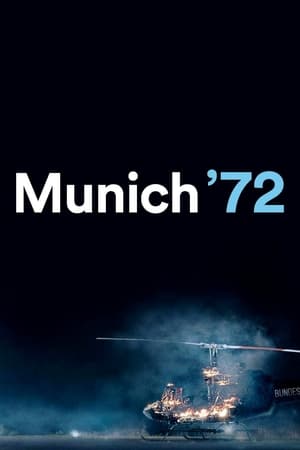
Chronicle of the attack perpetrated by the Palestinian terrorist group Black September in the Olympic Village during the 1972 Munich Summer Games.
A documentary series focusing on the ongoing Vietnam War, the Watergate scandal, evolving music industry, the Iran Hostage Crisis, the sexual revolution, and the rise of foreign and domestic terrorism.
In the midst of Argentina's bloodiest era, the country took center stage as the host of the World Cup. The military government, the national team, and even the resistance risked everything for this monumental event.
During the turbulent 19th century, a number of brilliant French artists developed the Romantic movement in Paris: writers Victor Hugo, Alexandre Dumas, George Sand, Honoré de Balzac and Charles Baudelaire, painter Eugène Delacroix and composer Hector Berlioz, among others, changed the way of looking at art and created enduring works that have inspired the world to this day.
The Blues (2003) is a seven-part documentary series produced by Martin Scorsese that explores the history and influence of blues music. Each episode, directed by a different filmmaker, traces a unique aspect of the genre’s evolution—from its African roots to its global impact. Originally airing on PBS, the series includes Scorsese’s Feel Like Going Home, Wim Wenders’ The Soul of a Man, Richard Pearce’s The Road to Memphis, Charles Burnett’s Warming by the Devil’s Fire, Marc Levin’s Godfathers and Sons, Mike Figgis’ Red, White and Blues, and Clint Eastwood’s Piano Blues.
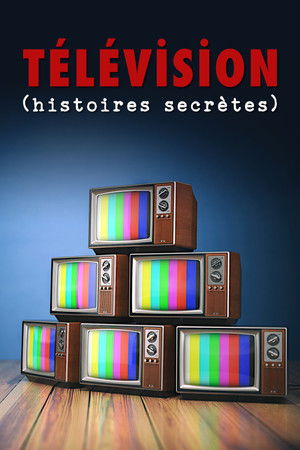
The behind-the-scenes story of French television… This documentary unveils the lesser-known history of two audiovisual decades that have shaped today's television. To explain from the break up of the French broadcasting service ORTF, in 1974, to the creation of Arte, via the birth of Canal+, the life and death of La Cinq and the privatization of TF1 — the succession of political, economic and cultural decisions that have shaped what is known as the “PAF” (French Audiovisual Landscape).
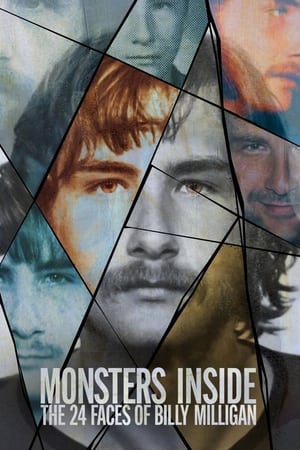
In the late 1970s, an accused serial rapist claims multiple personalities control his behavior, setting off a legal odyssey that captivates America.
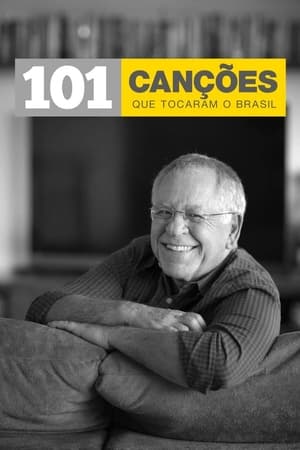
A music docuseries hosted by legendary music journalist and producer Nelson Motta about the songs that moved hearts and minds of the country, illustrated by selected archive and live performance footage.
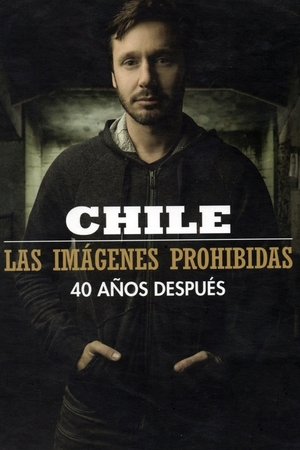
4 episode miniseries about the 1973 Coup d'etat in Chile and the dictatorship regime that came with it.
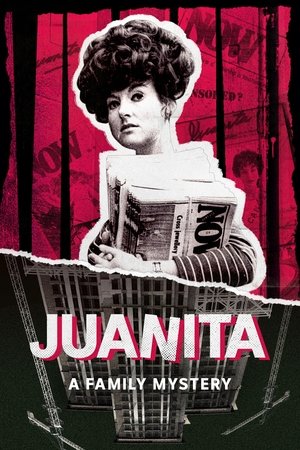
Journalist Juanita Nielsen's family pursue the truth about her infamous 1975 disappearance. Revelations about Juanita's almost certain murder and remarkable life go to who killed her, why and how justice was denied.
I Love the '70s is a decade nostalgia television mini-series produced by VH-1. The series is based on a BBC series of the same name. It examines the pop culture of the 1970s, using footage from the era, along with "Where Are They Now?" interviews with celebrities from the decade. Additionally, the show features comedians poking fun at the kitchiness of what was popular. The first episode of the series, I Love 1970, premiered on August 18, 2003. A sequel, I Love the '70s: Volume 2, appeared in the United States on VH-1 beginning on 10 July 2006.
It is now fifty years since the start of the 1960s – ten years of change, innovation, excitement and creativity that revolutionised our lives. To celebrate this amazing decade, Lulu presents Rewind the 60s - five entertaining programmes that explore all aspects of the 1960s: from where we lived, to what we ate, to how we dressed, and what we listened to. With the help of some very special guests, Lulu shows us how that extraordinary decade transformed Britain and the world forever – and how much fun it was to live through.