中國通史TVB版
Great Wall Of China
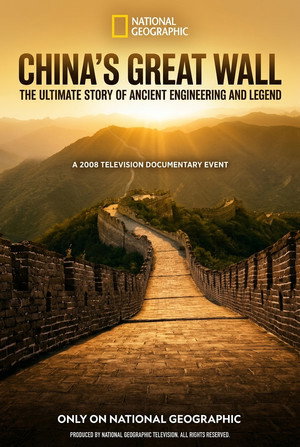
Retrace almost 2,000 years of Chinese ancient history – a period that holds vital clues to understanding how this powerful nation was built. Witness the evolution of civilization and visit the places where the dignitaries are buried, also visit the mausoleum of China's first emperor Qin Shi Huang Di.
腾飞五千年
国宝里的新疆
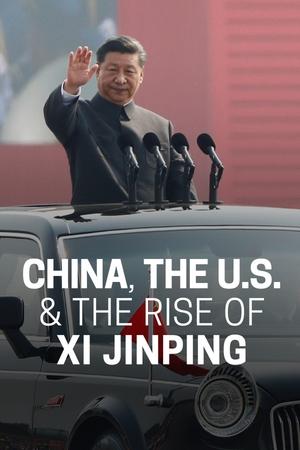
Tracing Xi Jinping's defining moments, how he's exercising his power and the impact on China and relations with the U.S.
In the heart of Beijing lies the largest palace in the world, The Forbidden City. For five hundred years, it served as the home of the almighty Emperors of China along with their wives, concubines, and entourages of tens of thousands of eunuchs and civil servants. But the Forbidden City is more than an imperial residence; it is the center of the universe, a unique complex of structures revealing a hierarchy of power both imperial and divine.
China's First Emperor was a documentary aired on The History Channel on 2008. It tells the story of Qin Shi Huang's career as a military leader and ruthless ruler and how he unified China during the Qin Dynasty. He is played by Xu Peng Kai.
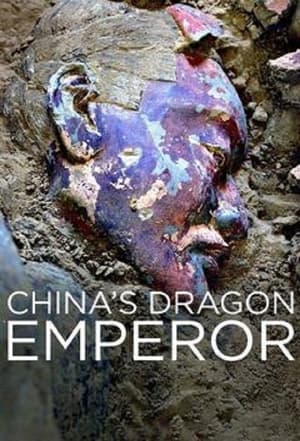
The story of Qin Shi Huang is as epic in life as it is in death. Crowned as a boy king over 2,000 years ago, he grew to unify China for the first time, establishing a new form of government, uniform laws, and a single writing system that is still in use today. He also ordered the construction of a royal tomb that is larger than the Great Pyramid of Giza and is guarded by a massive army of terracotta warriors. Explore the transformative life and magnificent afterlife of China's first emperor.
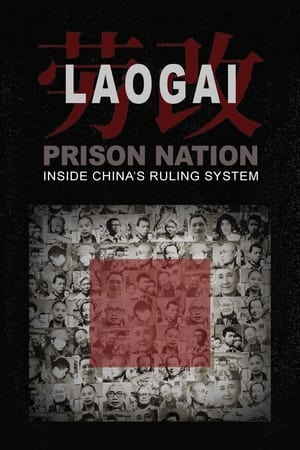
After the founding of the People's Republic of China in 1949, Mao Tsetung established a system of labor camps for systematic repression, known as Laogai, an abbreviation for "Reform Through Labor". In such camps, forced labor and physical and mental torture were used to bring about a so-called mental reform, re-education in the spirit of the Chinese Communist Party. Millions of Chinese were affected. Many were executed. In hundreds of camps, the Party took advantage of the prisoners' free labor to build the economy. Self-criticism and denunciation were often the only way to escape martyrdom. Successive waves of purges culminated in the Cultural Revolution, which saw massive human rights abuses, political assassinations, massacres, and exiles in remote parts of the country. Using unreleased archive footage, the documentary tells the story of the invention, development and improvement of China's totalitarian system of surveillance and repression up to the present day, never told before.
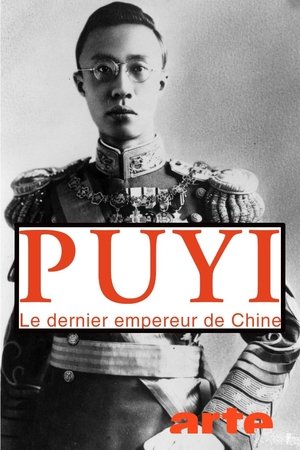
This program reveals the unorthodox life of Puyi, the last Emperor of China, through the use of rare footage from the period. Puyi's story, set against the immense luxury of the Chinese nobility, the decadent 1930s in Tianjin, the upheaval of World War II, the bleakness of prison, plus the turmoil of the Cultural Revolution, reflects the turbulent history of China and its people during the early and middle 20th Century.
Michael Wood embarks on a great historical adventure, exploring the stories, people and landscapes that have helped create China's distinctive character and genius over four thousand years.
Epic adventure using new satellite imagery and cutting-edge technology to solve mysteries, explore secrets and reveal the wonders of Ancient China.
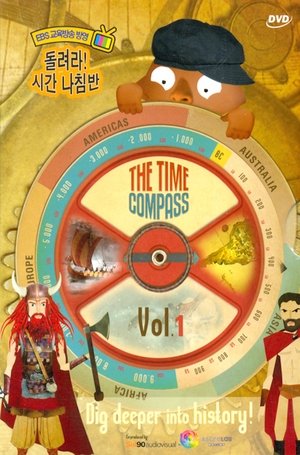
The Time Compass
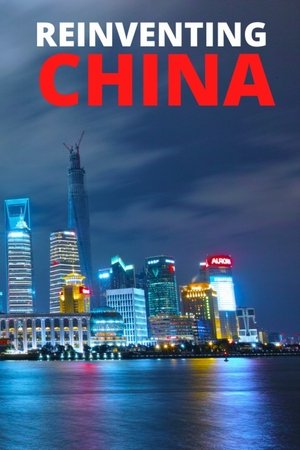
China's history of the last 200 years seems like a boomerang, returning to the West what it once unleashed. The series reveals how devastating the struggles for identity and power have been for the population since the fall of the "Middle Kingdom," and how closely these tragedies are intertwined with our own. Great hopes were placed in a wide variety of visions for the future—and each time, bitter disappointment ensued. From the decline of the empire to its resurgence as a superpower, China's history is both a dream and a nightmare, in which human life is of little value.
The imperial mausoleum of the Tang Dynasty is located on the mountain. It builds magnificently in a fan-shaped around Chang'an City. Together with Chang'an City and other palaces, it forms the highest level and density heritage site and treasure for Tang Dynasty. However, as time goes by, there are few heritage building left on the surface of the ground, which makes us even more lament.
Going back five thousand years, the "China" is a tragic China? The first season of the large-scale humanistic history documentary "China" will explore Chinese historical stories from the Spring and Autumn to the Tang Dynasty, digging out people and events that have a profound impact on China today, telling Chinese stories, spreading the voice of China, and showing the great evolution of Chinese civilization.
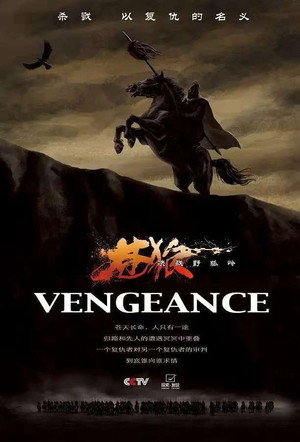
苍狼之决战野狐岭
中华史记
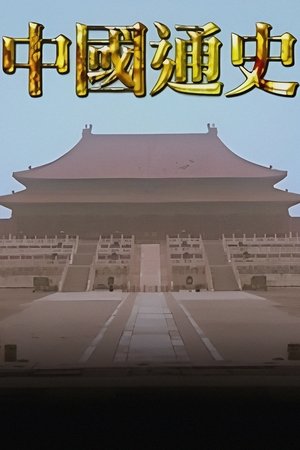
Tracing Chinese civilization from its prehistoric origins to the fall of the Qing dynasty, this sweeping 100-part documentary explores the rulers, wars, philosophies, religions, cultural achievements and social transformations that shaped one of the world’s oldest continuous civilizations. Through archaeological evidence, historical records and expert commentary, the series presents a chronological account of China’s dynasties, peoples and institutions across thousands of years of history.