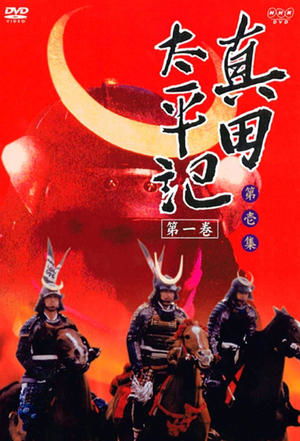
The drama tells the story of the Sanada family. Originally serving the Takeda Clan they ruled the northern district of Shinano. The story begins right after the death of Takeda Shingen, continues through the rise of Tokugawa Ieyasu who founded the Tokugawa shogunate and covers roughly the period 1580-1610.
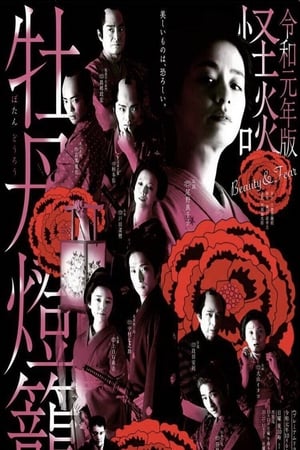
Botan Dōrō is a Japanese ghost story that is both romantic and horrific; it is one of the most famous kaidan in Japan. The plot involves sex with the dead and the consequences of loving a ghost.
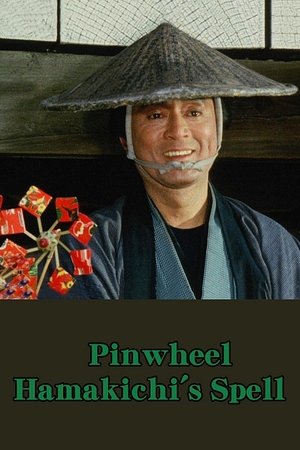
Nezu no Hamakichi used to be a renowned detective. He had lost his job and been banished from Edo after he was arrested for some reasons. Back in Edo for the first time in 5 years, he has just sold toys. This is a story that Hamakichi resolves difficult incidents.
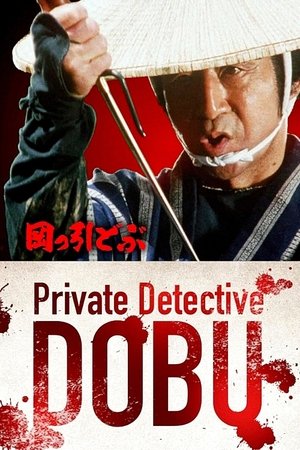
Dobu, an unconventional detective, teams up with Yoriki Samon to solve crimes in Yaoyacho, Edo, showcasing their courage and detective skills.
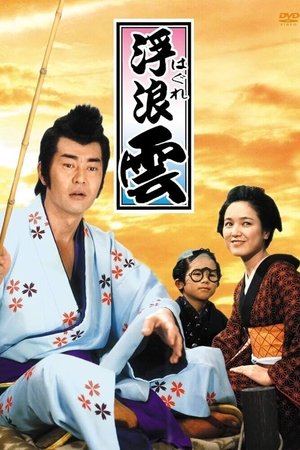
Set at the end of the Edo period, the series depicts Kumo's family with his wife, Kame, their 11-year-old son, Shinnosuke. Kumo is always ignoring work and playing and he is also notorious for womanising.
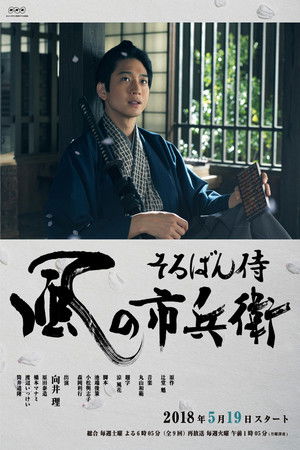
Set during the Bunsei period (1818-1931). Ichibei Karaki (Osamu Mukai) is a samurai with elite swordsman skills. He is also good at accounting and managing money. He is hired by various samurai families as their accountant and management consultant. He knocks down evils who give hard time to diligent people.
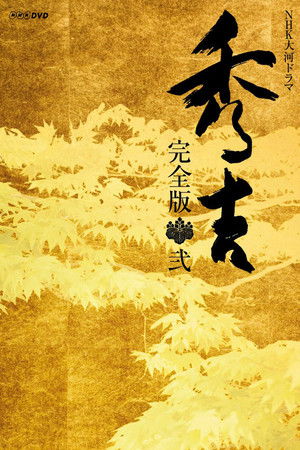
A dramatized biography of the second of Japan's three legendary leaders. Rising from obscurity, Hideyoshi served under the command of Oda Nobunaga. With an extraordinary combination of intelligence, bravery and military skill, Hideyoshi rose to near-absolute power and greatly expanded upon Nobunaga's unification of Japan's warlords. This series also focused on Hideyoshi's personal life, particularly his relationships with his mother and his wife, and the pair's rivalry for influence over him.
A dramatization of Ryotaro Shiba's novel of the same title about the life of Kobayashi Sahē, a chivalrous man who actually existed at the end of the Edo period.
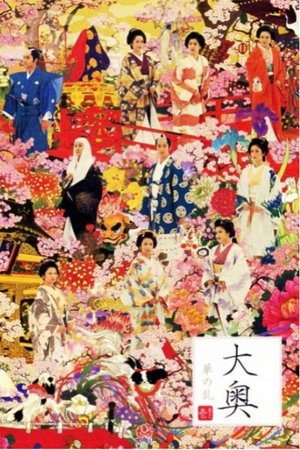
Tells the story of the women surrounding Tokugawa Tsunayoshi, the fifth shogun.
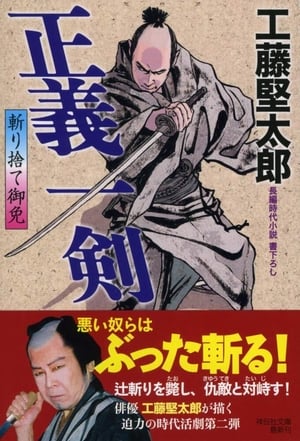
We're in Shamisen-bori of the bustling city of Edo. The officers of Guardhouse 36 monopolize the popularity in Edo. They're strong against evil, soft in compassion. Even the shogun depends on them. They're called the “Kirisute Bansho”... with a right to kill.
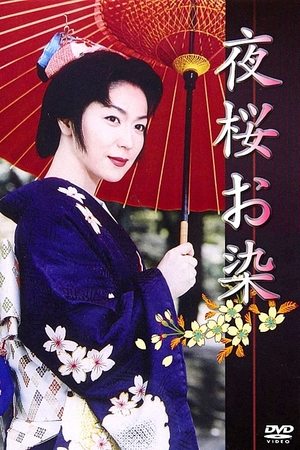
Osome is an ex-actress who lost her parents in a fire when she was 6-years old. She then is separated from her older brother, who goes missing. While she tries to investigate the fire that killed her parents, an officer, Yoshikawa reveals that her father used to be a shogunate spy. Osome decides to become a spy herself under Yoshikawa, to find the man who killed her parents and to seek out her lost brother.
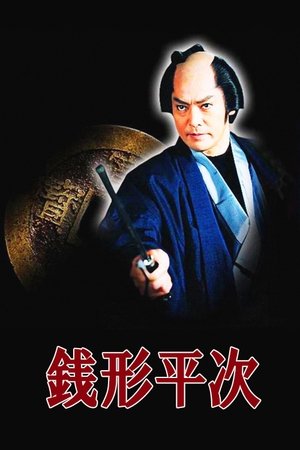
Heiji is an undercover policeman in the city of Edo. He possesses a superior skill of throwing coins. When a criminal is caught, Heiji throws coins at the offender and reveals his true identity. Like “Abarenbo Shogun,” “Mito Komon” and “Toyama no Kinsan,” “Zenigata Heiji” is about an official working undercover to catch criminals. The hero was created by novelist Kodō Nomura in 1931.
宮本武蔵
Kōchiyama Sōshun serves as a cha-bōzu (He is kind of tea man) in the administrative headquarters of the Tokugawa shogunate but he works behind the scene to protect powerless people from evil power of Tokugawa shogunate. Kataoka Naojirō and Ushimatsu work for Kōchiyama. Kaneko Ichinojō is a ronin whose interests often align with Kōchiyama
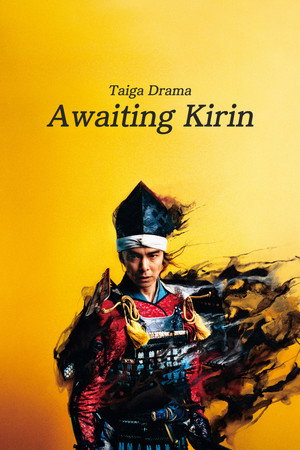
After the Onin War, the world is plunged into chaos. Amid this situation, heroes of the warring states begin to emerge in an attempt to unify the country and rule in these turbulent times. In the mid-1540s, there is a young wandering samurai in Mino which is strategically located between the East and West. His name is Akechi Mitsuhide. At this time, there is plenty of internal strife within the Toki clan which rules Mino. Surrounded by the Oda of Owari, the Imagawa of Suruga and the Asakura of Echizen, Mino has constantly faced the risk of invasion. Mitsuhide is pulled into battle and destroys the enemy. His bravery as well as stratagem catches the attention of Saito Toshimasa, the chief retainer of the Toki clan, and he is singled out. This man who is also known as Saito Dosan will go on to takeover the Toki and make Mino his own.
Shadow Warriors is a Japanese television jidaigeki show featuring Sonny Chiba that ran for four seasons in the early 1980s. Chiba played different ninja characters in each series. In the first series he played Hattori Hanzō III, in second one he played Tsuge Shinpachi, in the third one he played Tarao Hanzō, in the fourth series and in Bakumatsu Hen, he played Hattori Hanzō XV. In the 2003 direct-to-DVD series Shin Kage no Gundan he played Hattori Hanzō I.
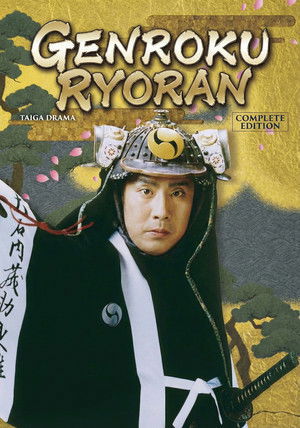
The 38th NHK Taiga Drama is Genroku Ryoran. The "Forty-seven Loyal Samurai" is one of the most enduring and best loved stories of Japan's history. Generations have grown up hearing the stirring tale of Oishi Kuranosuke, chief councillor of the Ako clan who leads his men through suffering and hardship to ultimately avenge their lord after he is unjustly forced to commit harakiri. NHK's 38th Taiga Drama "Genroku Ryoran" is the ambitious remake of this classic epic and boasts a cast that reads like a Who's Who in Japanese entertainment.
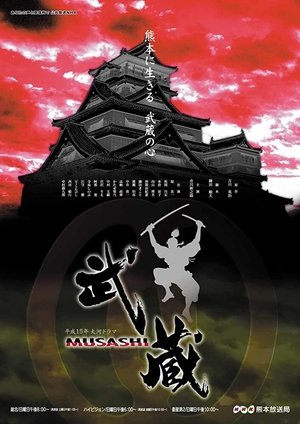
Orphaned when he was not yet ten, Musashi grows up skilled in the martial arts. During the Battle of Sekigahara, he fights on the side of the losing Toyotomi forces, but eludes the enemy as they hunt down the vanquished soldiers. He then spends years wandering the countryside mastering the sword. As his fame spreads throughout the nation, men seek him out to test their skills against him--most notably Sasaki Kojiro who faces Musashi in the ultimate duel at Ganryujima.
The 36th NHK Taiga Drama is Mori Motonari. This series chronicles the life of Mori Motonari, a warlord of the early 1500s who stood at the vanguard of the Warring States era. All Japanese school textbooks contain the Mitsuya no kyokun, Mori's famous lesson to his three sons that teaches that while one arrow is easily broken, three arrows together cannot be broken. In 1997, 500 years after his birth, NHK dramatizes Motonari's rise from a chief of the region of Aki (now Hiroshima) to a daimyo who rules over ten provinces of the Chugoku region. Motonari was 64 years old and already the patriarch of a powerful dynasty about the time Oda Nobunaga and Takeda Shingen appeared on the scene. And even after his death, the Mori family figured prominently in Japanese history. His grandson Terumoto became a loyal Toyotomi vassal. Defeated at the Battle of Sekigahara, Ieyasu confiscated most of his lands, leaving him only with Suwo and Nagato, later known as Choshu. But 260 years later, the Mori got their ultimate revenge, leading the imperial forces against the Tokugawa in the Meiji Restoration.
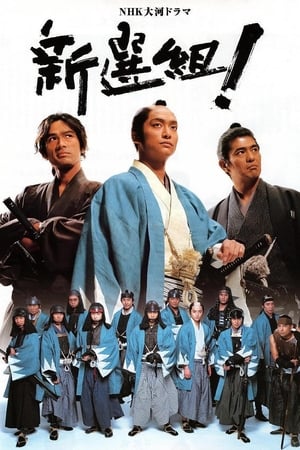
Shinsengumi! is a Taiga drama television series produced by Japanese broadcaster NHK. It was a popular drama about the Shinsengumi, a Japanese special police force from the Bakumatsu period.