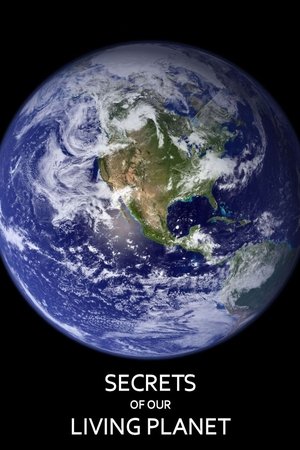
In this series, naturalist Chris Packham reveals the natural world in a way that you’ve never seen it before. For him, what is really beautiful about nature is not the amazing animals and plants that we share the planet with but the hidden relationships between them. These relationships may sound bizarre but without them, no life would be possible. Discover previously unknown relationships, like why a tiger needs a crab; or why a gecko needs a giraffe. Each week Chris visits one of our planet's most vital and spectacular habitats and dissects it, to reveal the secrets of how our living planet works.
A group of bright Sarah Lawrence College students fall under the dark influence of a friend's father, Larry Ray. With unprecedented access to the survivors who lived with Ray, the series follows the cult from its origins through its still-unfolding aftermath.
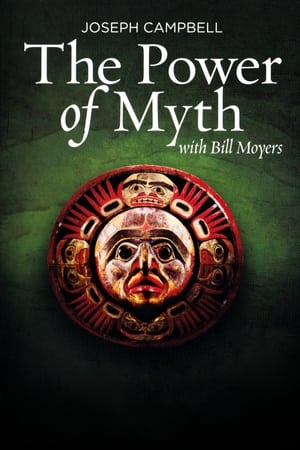
The Power of Myth is a television series originally broadcast on PBS in 1988 as Joseph Campbell and the Power of Myth. The documentary comprises six one-hour conversations between mythologist Joseph Campbell and journalist Bill Moyers.
The past, present, and future of European football collide when plans for a breakaway league emerge, leaving the game’s most powerful leaders to defend—or upend—the traditions of the sport.
A boy’s brutal murder and the public trials of his guardians and social workers prompt questions about the system’s protection of vulnerable children.
Follow eight New Yorkers in short, intimate profiles as they navigate sex and dating in the city.
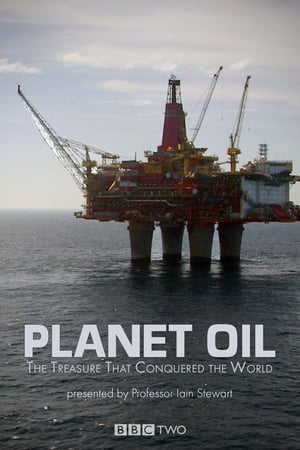
An excellent narration of oil industry since early days to 20th century and up to today. How oil changed the world and shaped our modern world today.
In keeping with the original project, this series seeks to reframe the country's history by placing the consequences of slavery and the contributions of black Americans at the very center of our national narrative.
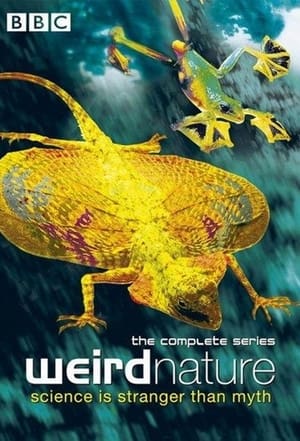
Weird Nature is a 2002 documentary television series produced by John Downer Productions for the BBC and Discovery Channel. The series features strange behavior in nature—specifically, the animal world. The series now airs on the Science Channel. The series took three years to make and a new filming technique was used to show animal movements in 3D. Each episode, however, tended to end with a piece about how humans are probably the oddest species of all. For example, in the end of the episode about locomotion, the narrator states how unusual it is for a mammal to be bipedal. In the episode about defences, the narrator explains that humans have no real natural defences, save for their big brains.
In this true-crime documentary, a cult expert and filmmaker infiltrate a polygamist sect to expose a self-proclaimed prophet and bring him to justice.
Anchored by a rare interview, this docuseries details Ted Kaczynski's path from a young intellectual to one of the most feared people in US history.
Never-before-seen footage and exclusive interviews offer a vitural scene-of-the-crime vantage point for history's most major news events.
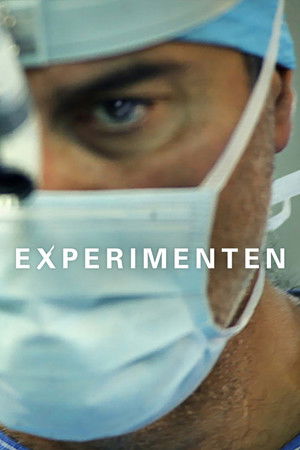
The series investigates Paolo Macchiarini’s claims to have invented a ground-breaking method to create new organs. His method using plastic tracheas sown with stemcells has been operated on patients in the US, Russia, Sweden and the UK. So far, unfortunately, the track record of his plastic organs is not very good. Almost all patients are dead. And several of his former surgeon colleagues in Sweden claim that not only does the method not work, but that his scientific claim to fame is based on falsified and misrepresented data. Some even claim that his patients have been used as human guinea-pigs.
The first authorized work exploring the extraordinary life of Willie Nelson traverses the personal and career ups, downs, and in-betweens of one of the world’s most beloved musicians.
This epic series explores the lives of some of Egypt's greatest rulers: Ramses the Great, pyramid pioneer King Sneferu, the most famous woman who ever lived, Cleopatra, the rebel heretic Akhenaten, the ill-fated Tutankhamen and feminist trailblazer Hatshepsut. Hosted by renown Egyptologist Dr. Bob Brier, this series unveils the true stories of their battles, loves, obsessions, preoccupations and deaths. Brier guides viewers on an enlightening quest for answers to the mysteries surrounding the legacies of the pharaohs. Spectacular footage and unique information make this series a perfect guide to the history of ancient Egypt.
Pulling back the curtain on the complex and high stakes relationship between the FBI Director and U.S. President, this series explores their pivotal moments of tension, the FBI's delicate neutrality and its national security implications.
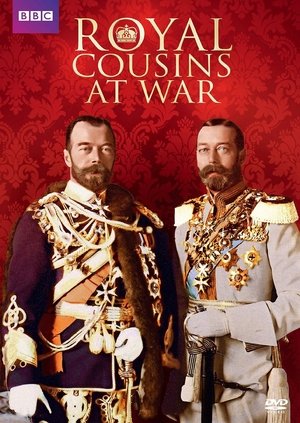
At the time World War I broke out, the King of England, the Czar of Russia, and the Kaiser of Germany were first cousins. This two-part series looks at the role played by Tsar Nicholas II of Russia, Kaiser Wilhelm II of Germany and King George V of England, and their relationships with each other, in the outbreak of war. Mismanaging their countries and mishandling foreign policy, they failed to adapt to the forces of nationalism and democracy, and so brought tumbling down their own ideal of a Europe governed by the descendants of Queen Victoria. While it was war that delivered the final blow, this fascinating series shows how the problems had set in much earlier. A two part miniseries.
An unflinching portrait of Dean Potter, the world's most influential and controversial climber, base jumper and highline walker, who achieves jaw-dropping feats while battling his inner demons.
Dave Gorman, a British Comedian, undertakes a challenge set by his flat mate Danny Wallace, to find 54 of his namesakes (1 for every card in the deck, including jokers). The show is presented over a series of six episodes by Dave Gorman himself in what can only be described as a lecture format. The series charts the trials and tribulations that greet Dave as he attempts to complete his task.
Stephen Fry: The Secret Life of the Manic Depressive is a 2006 two-part television documentary directed by Ross Wilson and featuring British actor and comedian Stephen Fry. It explores the effects of living with bipolar disorder, based on the experiences of Fry, other celebrities and members of the public with, or affected by, the disorder. It won an Emmy Award for Best Documentary at the 35th International Emmys in 2007.