Intercity 125 – Britain's own original high-speed train – rules the rails today, but this national icon is set to give way to hi-tech imports. It's time to celebrate the heroic story of a design classic that saved Britain's railways from terminal decline.
Liz McIvor looks at who built the nation's canal network, who funded it, those who worked on it and how they were regenerated following WWII.
Penguins on a Plane: Great Animal Moves follows the expert handlers entrusted with transporting some of the world's most precious and challenging cargo safely to their destinations.
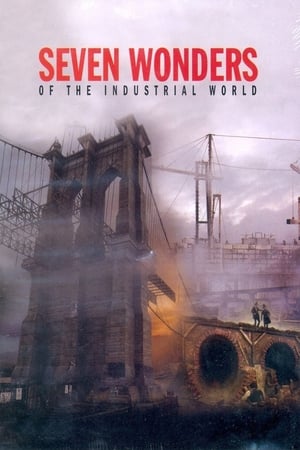
Seven Wonders of the Industrial World is a 7-part British documentary/docudrama television miniseries that originally aired from 4 September 2003 to 16 October 2003 on BBC. The programme examines seven engineering feats that occurred during the Industrial Revolution.
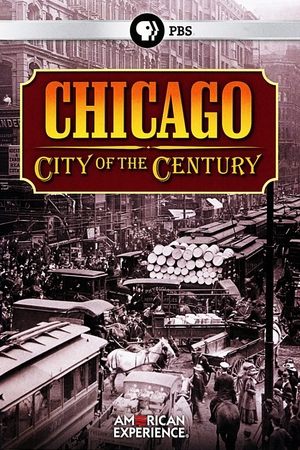
In just 60 years Chicago grew from a remote, swampy frontier town into one of the most explosively alive cities in the world. Captains of industry built empires through innovation, ingenuity, determination, and sheer ruthlessness, while the labor of millions of working men and women -- most of them immigrants from Ireland and Northern Europe -- helped reinvent the way America did business.
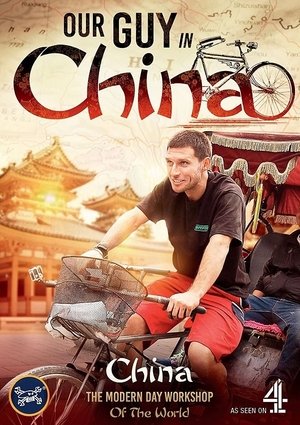
Guy Martin's love of industry and endeavour leads him to China, where he reveals the unseen side of its innovation, technological development and gigantic manufacturing.
Paddy McGuinness and Cherry Healey get exclusive access to some of the largest factories in Britain to reveal the secrets behind production on an epic scale.
Half-hour program on the "real-life adventure" of big business. Newsman Eric Sevareid, who served as host, described the series as neither "chamber of commerce boosterism" nor anti-establishment; rather, "an effort to report how various industrial sectors actually work."
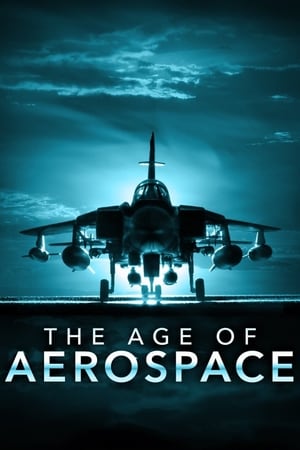
Explore the last 100 years of aviation history in unprecedented detail. From the Wright brothers first flight to the Apollo moon landings and beyond, the series highlights milestones in an industry defined by innovation.
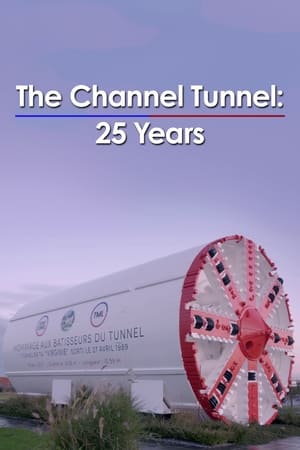
The Channel Tunnel stands as an engineering triumph and a testament to what can be achieved when two nations, Britain and France put aside their historic differences and work together. On the 25th anniversary of its opening, we reflect on what it took to build the longest undersea tunnel ever constructed.
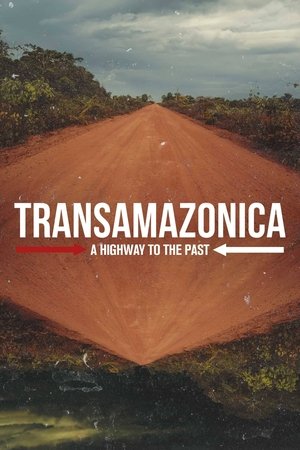
The Transamazon highway was a gigantic saga, the greatest example of the pharaonic works of the Brazilian military government. But the road that would promote national integration was best known for linking the famine of the Northeast with the misery of the Amazon. This haunting docuseries follows the story of the construction of this highway and its morbid consequences.
Industry on Parade is a decade-long syndicated industrial television series produced by the National Association of Manufacturers, originally in collaboration with NBC and later by Arthur Lodge Productions. From 1950 to 1960, weekly episodes presented engaging short documentaries that highlighted U.S. industrial innovation, manufacturing processes, and business developments. Widely distributed to stations and educational outlets, the series promoted technological progress and American enterprise during the early Cold War era.
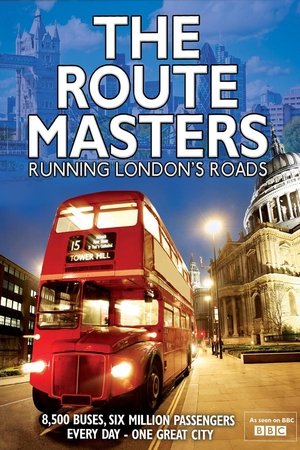
Carrying nearly five million passengers per day, the London Tube is one of the world's oldest and busiest metro systems in the world. Today the Tube is undergoing a complete overhaul that is long overdue. Take a behind the scenes look into the daily lives of drivers, emergency personnel, operations managers, and many others among the near twenty thousand employees of this massive rail system, as they navigate the evolution of the London Tube.
Tony Robinson goes for a walk through some of Britain's beautiful and historic landscapes.
The story of an empire: From its founding in 1922 to its dissolution in 1991, the Soviet Union was shaped by revolutionary idealism, but also by oppression and decay. The USSR evolved from Stalinist terror through the Thaw under Khrushchev to political processes such as glasnost and perestroika under Gorbachev. Finally, in 1991, it collapsed.
The birth and development of the Industrial Revolution is explored by visiting factories, mines, and other industrial relics where the modern world was made -- not by statesmen and philosophers, but by men, women and children with dirt on their hands.
The stories behind innovations such as TV, radio, phones, airplanes, motorcycles and power tools as well as the inventors including Nikola Tesla, William Harley, Alexander Graham Bell, Duncan Black and Alonzo Decker.
Investigating mankind's insatiable necessity to move faster and further; for pleasure, for work, to explore, to survive.
Otcové průmyslu
La Route