Kanadas Nationalparks
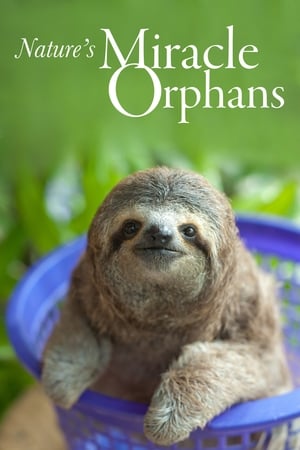
Three wildlife camera operators follow six iconic baby animals as they face the challenges of surviving their first year on Earth.
In this new season, Simon D’Amours hits the road to the Yukon aboard his trailer-towing schoolbus. His objective is to meet people who can help him fulfill his quest for a life off the grid.
Welcome to The Mighty Northwest – a land of giants. Here you’ll find the tallest trees on earth, the last of America’s big glaciers, the most active volcanoes in the lower 48, and an epic meeting of land and sea that attracts some of the biggest marine life on the planet. From the redwoods to the Rockies, The Mighty Northwest supports animal protagonists with big personalities and enormous life-and-death challenges.
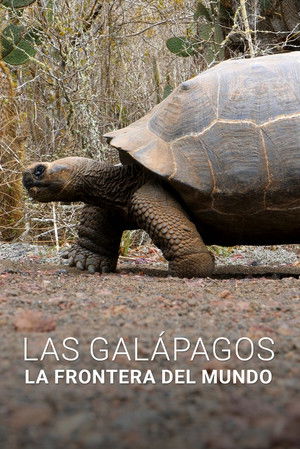
David Attenborough uses pioneering 3D-techniques and technology to explore the unique environments and species of the Galapagos.
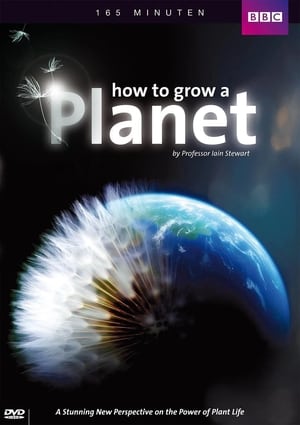
Geologist Iain Stewart explain in three stages of natural history the crucial interaction of our very planet's physiology and its unique wildlife. Biological evolution is largely driven bu adaptation to conditions such as climate, soil and irrigation, but biotopes were also shaped by wildlife changing earth's surface and climate significantly, even disregarding human activity.
Andrew Marr explores how Darwin's theory of evolution by natural selection has taken on a life of its own far beyond the world of science.
Micromostri con Barbascura X
Keep an eye on the daily routines, quirky habits and cozy habitats of several baby animals at Cleveland Metroparks.
Hüter der Erde
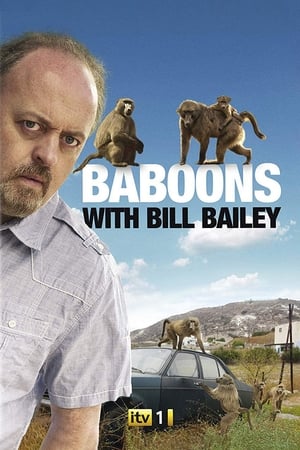
Baboons with Bill Bailey is a wildlife documentary series presented by Bill Bailey. The series follows Bill as he attempts to find out more about the lives of baboons who are living in several colonies in Cape Town, South Africa.
The Pantanal is the world's largest tropical wetland, a lush environment where a tangled web of lives comes together. Tree-dwelling capuchin monkeys, gravity-defying Piraputanga fish that leap out of the water to pluck fruit from trees, and over 650 species of birds call this ecosystem home. Wade into this wonderland of biodiversity and uncover its natural rhythms.
See It Now is an American newsmagazine and documentary series broadcast by CBS from 1951 to 1958. It was created by Edward R. Murrow and Fred W. Friendly, Murrow being the host of the show. From 1952 to 1957, See It Now won four Emmy Awards and was nominated three other times. It also won a 1952 Peabody Award, which cited its
Nationalparks im Baltikum
Dive into the extraordinary worlds of six tiny animals as they embark on the biggest journeys of their lives.
The law of the wild is kill or be killed; learning how animals kill.
Yellowstone challenges every animal that lives in this Rocky Mountain wilderness; in summer it pitches them into battle against one another for food, territories and mates, in winter it forces them into a struggle for survival.
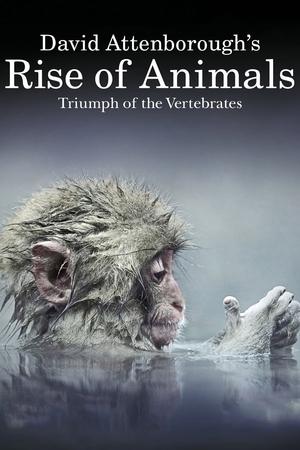
David Attenborough embarks on a remarkable 500 million-year journey revealing the extraordinary group of animals that dominate our world, and how their evolution defines our human bodies.
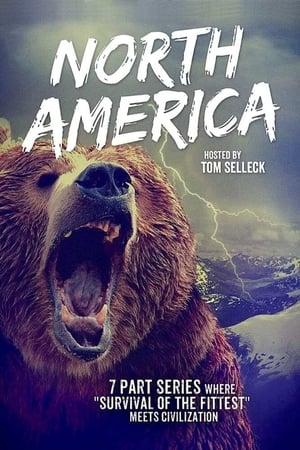
The seven episodes explore North America: where civilization collides with untamed wilderness. Just feet beyond our own backyards rages a spectacle we never see. Join us as we step into this hidden world teaming with life - across impossible mountains and endless deserts. Dive into unexplored forests and crash into rugged coasts. This vast continent offers boundless rewards for those brave enough to take on this land - and call her home.
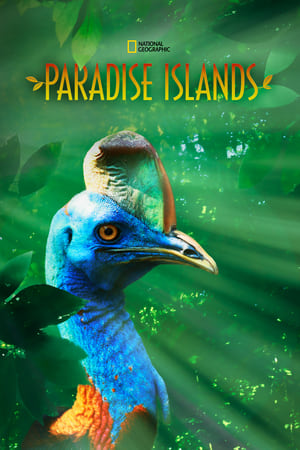
The tropical islands that lie between Asia and Australia are among the biologically richest on earth, and home to a vast number of plants and animals. From tree kangaroos to tarsiers, manta rays to mudskippers, the region abounds with life. But why? The answer lies deep in time, due to the many millions of years these islands have existed - and the power of the earth, the sun and the moon.