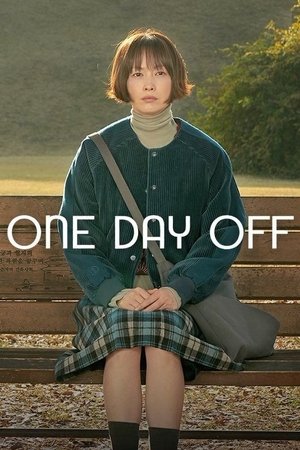
A heartwarming drama inspired by true stories of individuals who built new lives in 12 cities and towns across Fukushima.
Short plays by writers new to television drama.
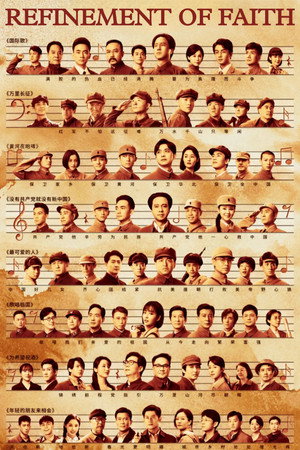
One hundred years since the founding of the Communist Party of China, Faith Makes Great tells stories from different times in history that chronicle the people's endless struggle to realize their dream of rejuvenating the nation.
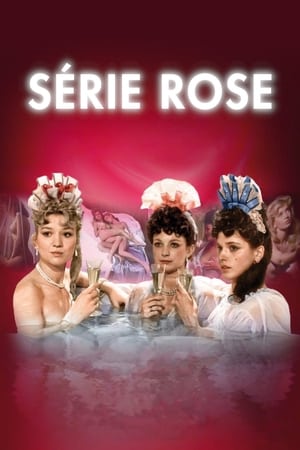
A collection of feature-length stories featuring beautiful, innocent heroines who regularly find themselves in danger, prey to passionate dramas, machinations or sadists with a fair share of false leads and twists and turns.
An anthology of 1920s set plays and musicals, transmissioned from 10 September to 10 December 1968 on BBC One.
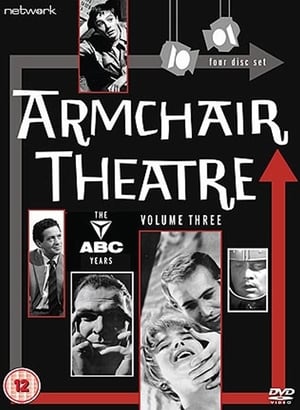
Armchair Theatre is a British television drama anthology series of single plays that ran on the ITV network from 1956 to 1974. It was originally produced by Associated British Corporation, and later by Thames Television from mid-1968.
Noël Coward hosts these four episodes, each an adaptation of one of his plays.
A Midwestern couple adopts who they believe to be a little girl with dwarfism, but gradually start to believe she may not be who she says she is.
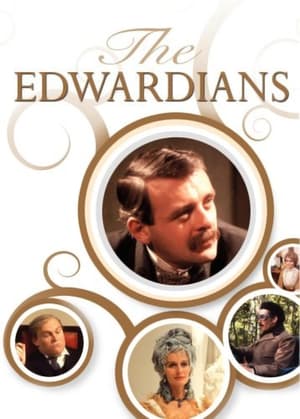
The Edwardians is an eight-part miniseries broadcast in 1972–73. An anthology, each 90-minute episode explores influential figure(s) of the Edwardian era: Charles Rolls and Henry Royce; Horatio Bottomley; E. Nesbit; Sir Arthur Conan Doyle; Robert Baden-Powell; Marie Lloyd; Daisy Greville, Countess of Warwick; and David Lloyd George.
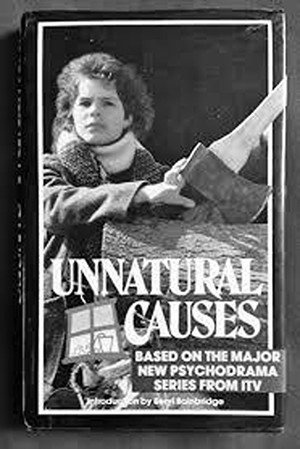
An anthology of seven psychological dramas, each with a different cast and crew, exploring deaths in unusual circumstances.
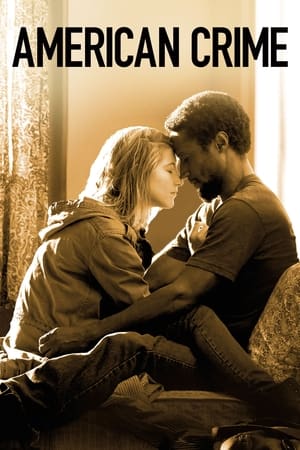
A queer anthological period drama set in the same San Francisco apartment where the tenants contend with their relationship’s strengths and weaknesses, as well as their individual vulnerabilities and buried desires.
Out of the Unknown is a British television science fiction anthology drama series, produced by the BBC and broadcast on BBC2 in four series between 1965 and 1971. Each episode was a dramatisation of a science fiction short story; some were created for the series, but most were adaptations of already published stories. The first three years were exclusively science fiction, but that genre was abandoned in the final year in favour of horror and fantasy. A number of episodes were wiped during the early 1970s, as was standard procedure at the time.
A weekly anthology of inspiring stories, featuring the life experiences of famous personalities – and ordinary people – who loved and lost on their way to success.
Tales from the Darkside is an anthology horror TV series created by George A. Romero, each episode was an individual short story that ended with a plot twist. The series' episodes spanned the genres of horror, science fiction, and fantasy, and some episodes featured elements of black comedy or more lighthearted themes.
Revival of the 1970s and 80s series of individual plays, originally shown on the BBC, now freshly-commissioned for Channel 5 and a whole new era of life in Britain.
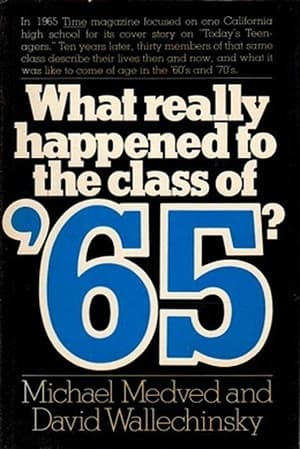
Sam Ashley, a graduate of 1965 class of Bret Harte High School, who was now a teacher at the school, served as the narrator describing what had happened to his fellow graduates in the decade since they had graduated.
An anthology of six plays, contemporary twists on well-loved tales with dark endings.
The Great Adventure is a historical anthology series that appeared on CBS for the 1963-1964 television season. The series, narrated each week by Van Heflin, and featuring theme music by Richard Rodgers, presented a weekly one-hour dramatization of the lives of famous Americans and important historical events in American History.
In an antique shop, the value of each item is the story behind them. People who sell their belongings here can reminisce on their lives, and buyers see their value hidden within. Six stories about memories, love, dreams and separation are linked to six items.
Ford Star Jubilee is an American anthology series that aired once a month on Saturday nights on CBS at 9:00 P.M., E.S.T. from the fall of 1955 to the fall of 1956. The series was approximately 90 minutes long, aired in black-and-white and color, and was typically broadcast live. Ford Star Jubilee was sponsored by the Ford Motor Company.